
El Niño in Kenya can bring major changes in rainfall patterns, especially during seasons when enhanced rainfall is expected. For ordinary families, however, the most important question is not only what El Niño means. The real question is simple:
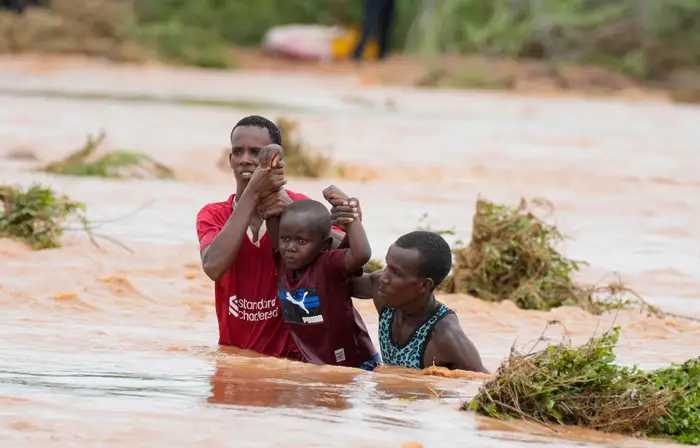
What should I do before, during and after heavy rains to protect my family, home, business, animals and property?
Kenya is preparing for the October to December 2026 rainfall season. The Kenya Meteorological Department has issued the current seasonal outlook, while the Government has called for early preparedness and action. The current forecast indicates enhanced rainfall across much of the country, although rainfall will not be the same everywhere.
Therefore, Kenyans should prepare without panic.
El Niño does not mean that every part of Kenya will flood.
It does not mean that every day will have heavy rain.
It also does not mean that every river will overflow.
However, heavy rainfall can create serious hazards in places that are already vulnerable.
These hazards include floods, flash floods, landslides, damaged roads, falling trees, lightning, contaminated water, disease outbreaks, power problems, damaged houses, loss of crops and livestock, and disruption of transport.
The best protection is early preparation.
El Niño is a climate phenomenon linked to unusual warming of surface waters in the central and eastern tropical Pacific Ocean. That warming can influence weather patterns far away from the Pacific.
For Kenya and East Africa, El Niño can be associated with increased rainfall during certain seasons. However, the effect is not identical in every county or every season.
That is why Kenyans should not depend on rumours such as:
“El Niño means rain every day.”
Instead, follow forecasts from the Kenya Meteorological Department and local official alerts.
Weather forecasts can change as conditions develop. Consequently, preparation should continue throughout the rainy season.
Rain is normally good for Kenya.
Farmers need water.
Pastoralists need pasture.
Dams need water.
Rivers and groundwater need replenishment.
However, too much rain in a short period can become dangerous.
When the ground becomes saturated, additional water may run quickly across the surface. Rivers can rise. Drainage systems can become overwhelmed. Roads can become impassable.
In hilly areas, saturated soil can become unstable and trigger landslides.
In towns, blocked drainage channels can turn roads into fast-moving streams.
A dry riverbed can also become dangerous when water arrives suddenly from upstream.
Therefore, the message is not “fear the rain.”
The message is:
Respect the rain. Understand your local risk. Prepare early.
Flooding happens when water covers land that is normally dry.
It can happen slowly after prolonged rainfall. Alternatively, it can happen very quickly during a flash flood.
Both types are dangerous.
Floodwater can enter houses, shops, schools and health facilities. It can damage electrical systems, furniture, food, documents and business stock.
Furthermore, floodwater can hide holes, open drains, broken roads, sharp objects and other dangers.
That is why you should never assume that shallow-looking water is safe.
This is one of the most important rules for every Kenyan.
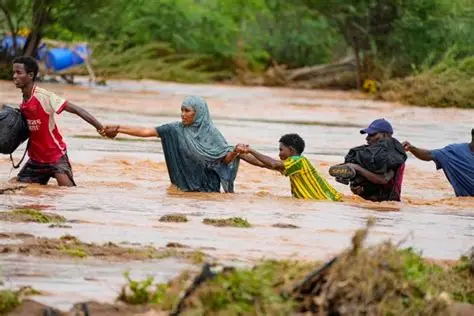
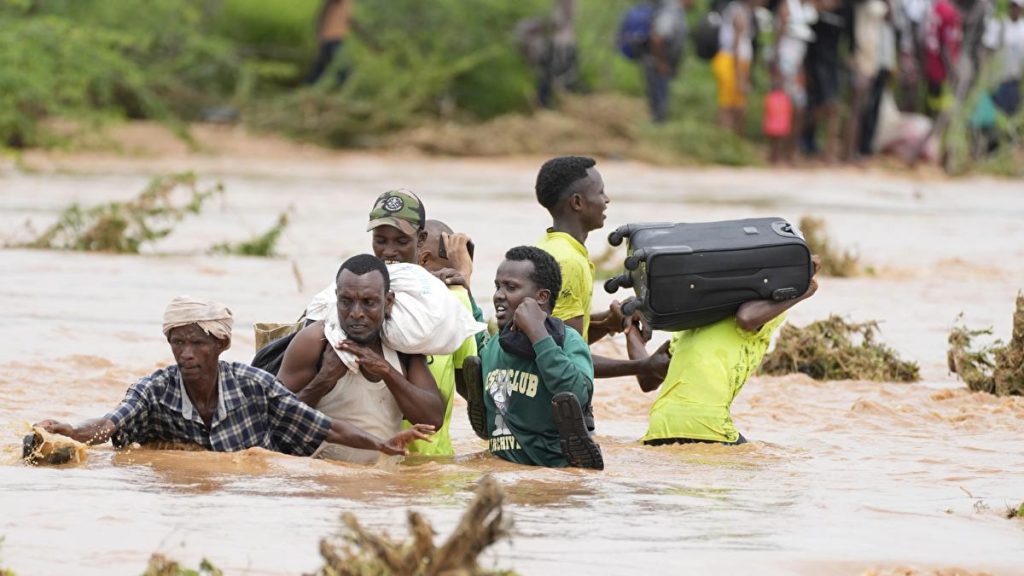
Do not walk through fast-moving floodwater.
Water that appears to be only knee-deep can knock a person down.
Even a strong adult can lose balance when water is moving quickly.
Children are at even greater risk.
Therefore, if floodwater is moving across a road, bridge, footpath or compound, find another safe route or wait for official advice.
Do not risk your life to save a few minutes.
A vehicle can be swept away by moving water.
The driver may not see the depth of the water. The road underneath may also have been washed away.
A bridge can look normal while the foundation underneath has been damaged.
For this reason, motorists should never assume that a flooded road is safe simply because another vehicle crossed it.
If authorities close a road, do not bypass the barrier.
If the water is rising, turn around before becoming trapped.
It is better to arrive late than never arrive.
A flash flood may happen with little warning.
Rain may fall heavily in another area and send water downstream into a place where the weather appears calm.
This can happen near rivers, valleys, drainage channels, bridges and low-lying settlements.
Therefore, people should understand that clear skies above their homes do not always mean there is no flood danger.
If an official warning tells people near a river or other high-risk area to move to safer ground, act early.
Do not wait until water enters the house.
Many Kenyans live or work near rivers because water is important for farming, livestock and daily life.
However, river levels can change quickly.
A dry riverbed may also become a dangerous channel during heavy rain.
Never allow children to play in or near a river during heavy rainfall.
Do not camp or sleep inside a riverbed.
Do not park vehicles in a dry river channel because it looks safe.
Water can arrive from upstream without warning.
Landslides are particularly dangerous in steep or unstable areas.
Heavy rain can weaken soil and increase the risk of slope failure.
People living near steep slopes should watch for warning signs such as:
These signs should not be ignored.
If your home is in a high-risk area and authorities advise evacuation, leave early.
Do not wait for the entire hillside to start moving.
You do not need a large budget to begin preparing.
Start with the basics.
Clean gutters and roof drainage.
Remove rubbish from drainage channels around your compound.
Check the roof for leaks.
Secure loose roofing sheets.
Trim dangerous branches near the house.
Keep important documents in waterproof bags or containers.
Raise valuable items above possible flood levels.
Check doors and windows.
Identify the safest way out of the house.
If you live in a flood-prone area, identify where you can move temporarily if evacuation becomes necessary.
Preparation is much easier when everyone knows the plan.
Water and electricity can be deadly together.
If water enters your home, do not touch electrical appliances while standing in water.
Do not enter a flooded room to switch off electricity if doing so would expose you to danger.
Instead, keep away and seek help from a qualified person or emergency service.
Never use electrical appliances that have been submerged until they have been properly inspected.
Also, keep children away from flooded areas containing electrical equipment.
A damaged power line may not look dangerous.
Treat every fallen power line as live.
Stay away. Keep others away. Report it.
Every Kenyan household should consider having a small emergency bag ready during periods of severe weather.
It does not need to be expensive.
Include items such as:
Keep the bag somewhere where you can reach it quickly.
Do not hide it at the back of a locked store.
During emergencies, communication can save lives.
Keep your phone charged when severe weather is expected.
Save important emergency contacts.
Keep a power bank charged.
Follow official weather and emergency information.
Avoid forwarding unverified WhatsApp messages that create panic.
A false warning can cause confusion at exactly the time when people need accurate information.
The National Disaster Management Unit advises the public to use official emergency channels, while the Government has emphasised accurate and timely communication during the current preparedness period.
Every family should know how to call for help.
Kenya’s National Disaster Management Unit lists 999, 911 and 112 as emergency numbers. The National Police Service also lists these numbers for emergency assistance.
Save them in your phone.
Teach children how to call for help.
When making an emergency call, explain:
What happened?
Where are you?
How many people need help?
Are there injuries?
Is there fire, electricity, floodwater or another immediate danger?
Speak clearly.
Do not waste time arguing with the person receiving the call.
Children are particularly vulnerable during floods.
They may not understand how quickly water can become dangerous.
Parents should tell children:
Do not play in floodwater.
Do not swim in flooded roads.
Do not play near rivers during heavy rain.
Do not touch electrical wires.
Do not enter abandoned buildings.
Do not approach rescue operations.
Stay with a responsible adult.
If a child becomes separated from the family, they should know the name and phone number of a parent or trusted adult.
Schools should also have clear evacuation and communication plans.

Schools are responsible for many children at once.
Therefore, preparation cannot wait until the first flood arrives.
School management should check:
Staff should know who is responsible for raising the alarm.
They should also know who accounts for students during evacuation.
A school should never discover its emergency plan for the first time during a disaster.
Small businesses are often badly affected by floods.
A shop can lose stock.
A workshop can lose equipment.
A restaurant can lose food.
A salon can lose electrical equipment.
A farmer can lose animals and crops.
Therefore, business owners should prepare before the rain becomes severe.
Move important stock above expected flood levels.
Protect documents.
Check insurance arrangements where applicable.
Back up important business records.
Secure loose outdoor equipment.
Check drainage.
Plan how workers will leave safely.
Do not ask employees to enter dangerous floodwater to save property.
Property can be replaced. A human life cannot.
Farmers need to listen closely to local weather forecasts.
Enhanced rainfall can provide opportunities for agriculture, but heavy rainfall can also damage crops and soil.
Farmers should consider:
Farmers should also use county agricultural advice because rainfall conditions differ across Kenya.
The current national outlook includes areas where rainfall may be above average as well as areas where rainfall distribution may be less favourable.
Animals cannot understand a weather warning.
The owner must act for them.
Move livestock away from rivers and flood-prone lowlands when danger is expected.
Keep animal feed dry.
Prepare safe water where possible.
Do not allow animals to cross fast-moving water.
If animals are trapped, do not put yourself in extreme danger attempting a rescue.
Call for assistance when available.
Floodwater can contaminate water sources.
Sewage can mix with floodwater.
Waste can spread.
Latrines can overflow.
Therefore, never assume that clear-looking floodwater is safe to drink.
Use safe drinking water.
Follow local public-health instructions about boiling, chlorination or other approved water treatment.
Store drinking water in clean, covered containers.
Wash hands regularly.
Keep food protected from contaminated water.
Do not eat food that has been contaminated by floodwater.
The Ministry of Health has warned that flooding can increase risks linked to unsafe water, sanitation and hygiene. WHO has also highlighted the increased risk of diseases such as cholera, typhoid and diarrhoeal illness following flooding.
Flooding does not only damage buildings.
It can create health problems.
Unsafe water and poor sanitation can increase the risk of diarrhoeal diseases and cholera.
Standing water can also create conditions that support mosquitoes.
Therefore, families should pay attention to symptoms such as severe diarrhoea, vomiting, fever or other unusual illness.
Do not wait for a serious condition to develop.
Seek medical care early.
Follow advice from the Ministry of Health and county health teams.
In addition, keep children away from contaminated water.
Good hygiene becomes even more important after flooding.
Heavy storms may bring lightning.
When thunder is heard, move indoors if possible.
Avoid standing under isolated trees.
Do not stand in open fields during thunderstorms.
Keep away from metal structures.
Avoid unnecessary outdoor activity during severe thunderstorms.
Schools should have a clear plan for moving students to safe shelter during storms.
Farmers, construction workers and outdoor workers should take thunder seriously.
A storm does not need to look extremely dangerous before lightning becomes a threat.
A person struck by lightning does not remain electrically charged.
Therefore, it is generally safe to provide emergency assistance when the scene is safe.
Call emergency services.
Check whether the person is breathing.
Provide appropriate first aid or CPR if you are trained and it is safe to do so.
Get medical help as quickly as possible.
Do not abandon the person because you believe touching them will cause you to be struck.
Heavy storms can damage roofs, trees, signs, walls and temporary structures.
Before severe weather, secure loose objects around your home or business.
Move vehicles away from trees and structures that may fall.
Avoid standing near unstable walls.
If a roof begins to fail, move away from the danger area.
During strong winds, remain indoors where possible and keep away from windows.
Rain changes road conditions quickly.
Drivers should reduce speed.
Leave more distance between vehicles.
Use headlights when visibility is poor.
Avoid flooded sections.
Watch for pedestrians.
Expect fallen trees, debris and damaged road surfaces.
Do not overtake dangerously.
Most importantly, never drive around barriers placed on a flooded or damaged road.
A road that looks open may no longer be safe.
Passengers also have a responsibility.
If a driver is attempting to cross dangerous floodwater, speak up.
Do not pressure a driver to continue simply because you are late.
If a vehicle becomes trapped in rising water, get out only when it is safe and follow emergency instructions.
Parents should teach children not to play near flooded roads while waiting for transport.
Stay calm.
Move family members to a safer location if water is rising.
Keep children away from electrical equipment.
Take essential medicines and emergency documents if they can be collected safely.
Do not enter deep or fast-moving water.
If evacuation is advised, leave.
Do not wait until the water reaches the roof.
Remember that floodwater can hide open manholes, broken floors and other hazards.
Returning home does not mean the danger is finished.
Before entering a damaged building, look for structural damage.
Watch for fallen electrical wires.
Look for snakes, insects and other animals that may have moved into the building.
Do not touch electrical equipment that has been exposed to water.
Do not drink contaminated water.
Clean and disinfect areas affected by floodwater according to public-health guidance.
Throw away food that may have been contaminated.
Document property damage where appropriate.
If the building is seriously damaged, seek professional assessment before occupying it.
One of the biggest mistakes after a flood is returning because the water appears to have gone down.
Flood levels can rise again.
Roads and bridges may remain unstable.
The soil may remain saturated.
Buildings may have weakened foundations.
Therefore, follow evacuation and return instructions from the relevant authorities.
Disasters do not affect only individuals.
A whole neighbourhood can be affected at the same time.
That is why communities should prepare together.
Know the people living around you.
Identify households with older people, young children and people with disabilities.
Know where the nearest safe higher ground is.
Know the safest routes out of the area.
Share verified warnings.
Help neighbours understand alerts.
Do not spread rumours.
If a neighbour cannot evacuate without assistance, raise the issue early.
The Kenya Red Cross has demonstrated the value of early warning and community preparedness during recent flooding, including the use of large-scale warning messages and response teams.
A warning only saves lives if people act on it.
Receiving a message saying:
“Heavy rain expected”
is not enough.
People need to ask:
What should I do now?
If you live beside a river, the action may be to move.
If you live on a steep slope, it may be to prepare for evacuation.
If you operate a shop, it may mean moving stock.
If you are a farmer, it may mean protecting livestock and equipment.
If you are a driver, it may mean changing your route.
This is the difference between early warning and early action.
Kenyan authorities have specifically called for weather information to be translated into practical action and have directed counties to map flood-prone areas and identify safer evacuation locations.
Government has an important responsibility during disasters.
County governments, national agencies, emergency responders, health services, police, humanitarian organisations and other partners all have roles to play.
However, households also have responsibilities.
No emergency service can be everywhere at the same time.
Therefore, the first few minutes may depend on what a family or community does.
Prepare.
Listen.
Act early.
Help safely.
Report danger.
Follow evacuation instructions.
These simple actions can reduce loss.
Before heavy rain:
Check your roof.
Clean drainage channels.
Charge your phone.
Prepare an emergency bag.
Protect documents.
Store safe drinking water.
Know your evacuation route.
Move valuable items higher.
Secure loose objects.
Move livestock from dangerous areas.
Check on vulnerable neighbours.
During heavy rain:
Stay informed.
Stay away from rivers.
Avoid flooded roads.
Do not walk through moving water.
Do not drive through floodwater.
Stay away from fallen power lines.
Keep children indoors and away from water.
Follow official evacuation instructions.
After flooding:
Do not rush back.
Check for structural damage.
Avoid electricity hazards.
Use safe drinking water.
Watch for disease.
Clean safely.
Seek medical help when needed.
Report dangerous conditions.
Kenyans should prepare seriously, but preparation is not panic.
Rain can also bring benefits.
Farmers can benefit from adequate rainfall.
Water sources can recover.
Pasture can regenerate.
Reservoirs can receive water.
Agriculture can improve when rainfall is favourable and well managed.
Kenya’s climate authorities have emphasised both the opportunities and risks associated with the current rainfall season.
The goal is therefore not to fear El Niño.
The goal is to understand it and prepare for the risks that may affect your area.
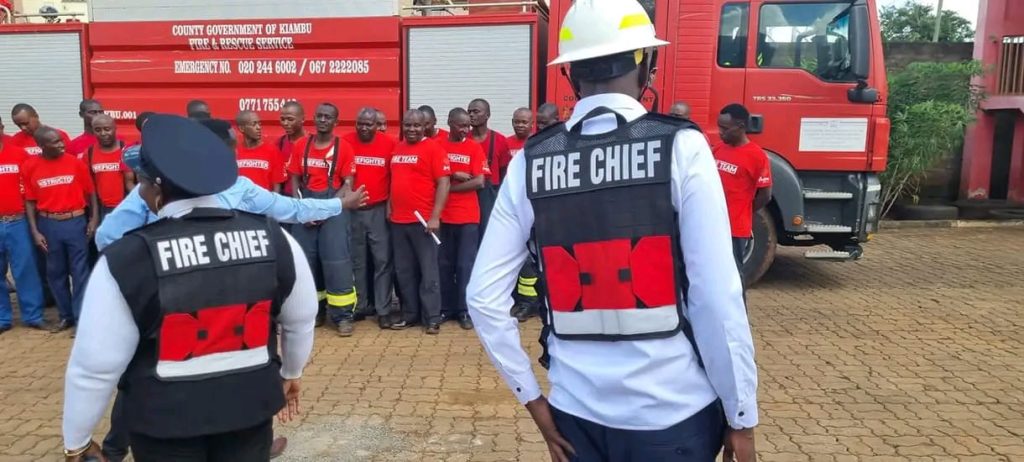
As a fire safety and emergency response professional, I have learned one important lesson:
Disasters are easier to manage when people prepare before they happen.
Do not wait for water to enter your bedroom before thinking about evacuation.
Do not wait for a bridge to collapse before finding another route.
Do not wait for your phone battery to reach five percent before charging it.
Do not wait for a flood to contaminate your water before storing safe drinking water.
Do not wait for a child to fall into a river before explaining the danger.
Prepare today.
Talk to your family tonight.
Check your home.
Check your business.
Check your farm.
Check your school.
Check your neighbours.
Follow reliable weather information.
And when authorities tell people to move to safer ground, move early.
Your house may be replaceable.
Your car may be replaceable.
Your stock may be replaceable.
Your crops may be replaceable.
Your life is not replaceable.
Kenya has experienced serious floods before, and the country continues to strengthen disaster preparedness. The National Disaster Operations Centre itself was established following the destructive effects of the 1997–98 El Niño rains, showing how deeply these events have shaped Kenya’s disaster-management system.
Today, we have better technology, better forecasting, mobile phones, early-warning systems and stronger emergency coordination.
However, technology can only help when people act on information.
A weather warning on a phone cannot move a family from a dangerous riverbank.
A forecast cannot clean a blocked drainage channel.
A rescue team cannot prevent every person from entering floodwater.
Preparedness begins with people.
Know the risk.
Prepare early.
Listen to warnings.
Act before the emergency becomes dangerous.
Protect children.
Protect older people and vulnerable neighbours.
Keep away from floodwater.
Protect drinking water.
Report emergencies.
Never risk your life to save property.
Kenya can face heavy rains with greater confidence when families, communities, businesses, schools and emergency services prepare together.
Safety is love in action, every day, in every home and every community.
Follow Fire Chief Wako for practical fire safety, emergency preparedness and public safety education for Kenya and Africa.
