
Fire Safety in Rental Houses Africa: Why Awareness Matters
If you live in a rental house in Africa, fire safety in rental houses Africa is crucial. Many tenants do not realize how high their fire risk can be. In rental homes, you rely on wiring, sockets, and building design that you did not choose; however, these hidden dangers can start a deadly fire if precautions are not taken. Understanding these risks is the first step toward protecting yourself, your family, and your belongings.
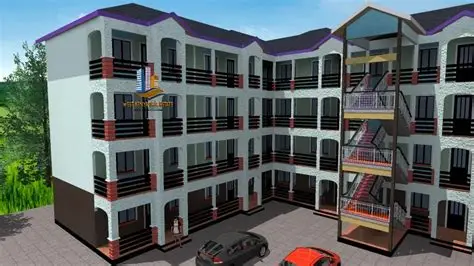
Rental houses vary widely in construction quality. Some were built decades ago, while others are newer but poorly maintained. Unfortunately, many landlords add new rooms or tenants without upgrading wiring, plumbing, or emergency systems. Consequently, the likelihood of fire increases, and tenants may not even be aware of the potential hazards until it’s too late.
Most rental houses have old electrical systems, which are often incapable of handling modern electricity demands. In addition, tenants frequently use multiple devices such as TVs, phones, and computers simultaneously, further overloading circuits. As a result, sockets overheat, wires become brittle, and sparks can ignite walls or ceilings.
Moreover, many rental homes have plastic ceilings, wooden doors, and thin walls. Once a fire starts, it can spread rapidly from one room to another. For instance, a small spark behind a wardrobe can travel through wiring conduits and ignite the entire ceiling in minutes. Narrow corridors and multiple stories often prevent quick escape, increasing the risk of injuries or fatalities.
Electrical faults are one of the leading causes of fire in rental houses. Tenants often rely on extension cords, power strips, and multiple phone chargers, placing enormous stress on outdated wiring. Because landlords rarely inspect or maintain electrical sockets, small issues like loose connections, exposed wires, or overheating outlets go unnoticed until a fire starts.
These hazards collectively increase the risk of fire. For example, a poorly installed extension cord powering multiple devices can cause wires to melt, producing smoke and eventually flames.
Another major risk is cooking fires, especially in homes that use charcoal, gas, or kerosene indoors. Small rooms with limited ventilation make it easy for flames to spread quickly. Curtains, bedding, and plastic items located near stoves can catch fire within seconds if precautions are ignored.
To reduce risks, always maintain a safe distance between cooking equipment and flammable objects. Use stable, elevated surfaces for stoves, and never leave cooking unattended, even for a few minutes. Ventilation is also critical—keep windows open when using gas or kerosene.
Many rental houses in Africa have narrow corridors, locked gates, or inaccessible windows, which can trap occupants during a fire. Tenants sometimes add furniture, water drums, or boxes that block escape routes, unintentionally creating hazardous conditions. Smoke spreads rapidly, reducing visibility and increasing the risk of suffocation.
It’s important to keep all corridors, doors, and windows clear. In addition, familiarize yourself with at least two exit routes from every room, so that in case of fire, you can evacuate quickly.
Even without full support from landlords, tenants can adopt proactive safety measures to minimize fire risks.
If you live in a rental house in Africa, you may not be able to control how the building was constructed, but you can control how you live inside it. Fire safety in rental houses Africa begins with awareness, careful habits, and preparation.
By following the safety tips outlined above, tenants can significantly reduce the risk of fire, protect their homes, and save lives. Remember, fire safety is not about luck—it’s about responsibility, planning, and vigilance.
Take fire hazards seriously, implement safety measures today, and educate everyone in your household. Protect your home. Protect your life.
By Fire chief Wako
Founder Mama Kabale fire safety foundation
