
Kenya school bullying and fire safety are important issues that every parent, teacher, student and school leader should understand. Recent reports about student bullying, university behaviour and school fires raise serious questions about peer pressure, discipline, early intervention and the protection of young people.
On October 3, 2026, KBC reported that a video showing students threatening and assaulting another young woman had gone viral. Riara University condemned the behaviour and said investigations were underway. Some of the individuals were reportedly associated with the university. Read the KBC report.
This incident has started an important conversation about how young people treat one another. However, the issue goes beyond one video or one institution.

What happens when young people follow harmful friends instead of making responsible decisions?
As Fire Chief Wako, a fire safety professional and community advocate, I believe this conversation must also include school fire prevention. Bullying does not automatically lead to fire, but peer pressure, ignored warnings, anger and unsafe decisions deserve serious attention.
Above all, our goal should be to protect life before tragedy happens.
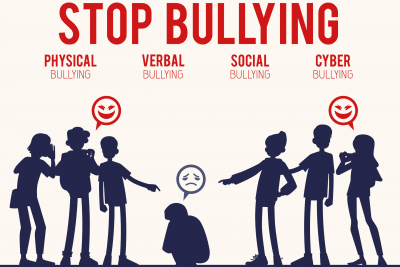
Bullying can take many forms. Some students use physical violence, while others threaten, insult or humiliate their classmates. In addition, cyberbullying allows harmful behaviour to continue through phones and social media.
The Ministry of Education’s National School Re-Entry Guidelines recognise physical violence, threats, verbal abuse and cyberbullying among forms of bullying.
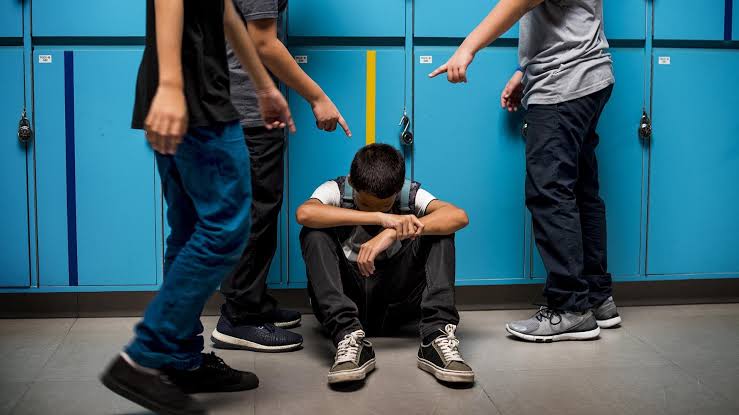
Sometimes, a harmful act begins as a joke. However, repeated humiliation can cause real pain. When other students join in, the behaviour may become harder for the victim to stop.
Recording the incident can make matters worse. Once a video spreads online, the victim may face embarrassment long after the original incident ends.
Therefore, students must learn that popularity does not excuse cruelty. A group can be wrong, even when every member agrees.
A crowd laughing does not make bullying acceptable. Likewise, a phone camera does not turn another person’s suffering into entertainment.
Every student deserves respect, whether they come from a wealthy family or a struggling household. Differences in appearance, ability, background or academic performance should never become reasons for harassment.
Instead of joining a group that humiliates someone, students can choose to walk away, support the victim and report the incident to a trusted adult.
Real courage means doing what is right, even when friends disagree.
Friends can influence how young people speak, behave and respond to problems. This influence can be positive or negative.
For example, responsible friends may encourage someone to apologise, seek help or report danger. On the other hand, harmful peer pressure can encourage threats, fighting, property damage or dangerous pranks.
A student might hear statements such as:
Although these words may sound like ordinary peer talk, they can push someone towards a harmful decision.
Consequently, schools should teach students how to disagree with friends, manage anger and seek help without feeling ashamed.
The same lesson applies to fire safety. If friends encourage someone to play with matches, damage electrical equipment or start a fire, the student must know how to refuse and report the danger.
Bullying and fire are different problems, but both require early intervention and responsible behaviour. School fire tragedies also show why emergency planning must never be ignored.
In May 2026, a devastating fire at Utumishi Girls Academy in Gilgil killed 16 students and injured many others. Authorities investigated suspected arson, and the case raised serious questions about student behaviour and school safety. The exact circumstances and responsibility must be established through the proper legal process. Read the Reuters report.
Earlier, the 2024 Hillside Endarasha Academy fire killed 21 boys. These tragedies remind us that schools must prepare for emergencies before they happen.
Nevertheless, we should not assume that bullying caused a particular fire without evidence. Every incident requires a proper investigation.
What we can say is that threats, planned violence, dangerous pranks and reports of possible arson must never be dismissed as harmless jokes.
Once a fire starts in a dormitory, classroom or laboratory, smoke can spread and visibility can fall. As a result, students may struggle to find an exit, especially when they are frightened or unfamiliar with the evacuation plan.
A blocked exit or a locked emergency door can make escape even harder. For that reason, schools must keep escape routes clear and ensure that emergency doors work as intended.
Students must also understand that starting a fire to express anger or punish others can put innocent lives at risk.
A school building can be repaired. A life lost in a fire cannot be replaced.
Fire safety involves more than buying extinguishers. It also requires training, working equipment, clear procedures and responsible behaviour.
Every school should take the following steps:
The Ministry of Education’s school safety assessment published in December 2024 highlighted concerns about fire equipment, maintenance and other safety conditions in boarding schools.
Therefore, school leaders should not wait for another tragedy before checking their facilities. Regular inspections and realistic drills can help identify problems while there is still time to correct them.
Students do not have to solve every problem alone. However, they can take sensible steps to protect themselves and others.
First, avoid joining the group or encouraging the harmful behaviour. If it is safe, support the person being targeted.
Next, report the incident to a trusted teacher, school counsellor, parent or responsible authority. When a threat involves immediate danger, seek urgent assistance rather than confronting the person alone.
If bullying happens online, avoid sharing the video or adding insulting comments. Instead, use the platform’s reporting tools and tell a trusted adult.
Most importantly, students should report threats of violence, property destruction or a planned fire as soon as possible.
Silence can allow danger to grow. Early reporting gives responsible adults a chance to act.
Every student should know the basic actions to take when a fire alarm sounds.
Students should never stop to record a fire for social media. Instead, they should move away from danger and allow emergency responders to work.
Fire drills matter because people may forget instructions when they panic. By practising regularly, students and staff can become more familiar with the safest way out.
Parents can help prevent problems by asking questions beyond academic performance.
For example, ask your child:
These conversations should be calm and regular. Otherwise, a child who fears punishment may hide a serious problem.
Parents should listen carefully when children raise concerns. If a child reports threats, repeated bullying or plans to damage property, the family should work with the school and appropriate authorities to address the matter.
At the same time, parents should teach children to accept responsibility for their own actions. Being influenced by friends does not remove the need to make safe choices.
Teachers and school leaders are important because they can help identify problems before they become serious. A report of repeated bullying, a credible threat or a plan to damage property deserves a proper response.
Schools should provide clear reporting channels and explain what happens after a complaint is made. In addition, students need access to guidance, counselling and appropriate support.
Universities also need clear procedures for handling bullying, harassment and violence. Students should understand that higher education does not remove their responsibility to respect other people.
When an incident occurs, institutions should protect those affected, preserve relevant evidence and follow fair disciplinary and legal procedures.
However, prevention must go beyond punishment. Young people also need to learn conflict resolution, empathy, self-control and responsible leadership.
Social media can spread useful safety information quickly. Unfortunately, it can also turn a private incident into public humiliation.
Before sharing a video of someone in distress, students should consider the harm it could cause. If the content shows bullying or violence, sharing it for entertainment may worsen the victim’s experience.
Instead, report the content through appropriate channels and seek help for the person affected.
Schools and families should also teach young people how to behave responsibly online. Digital respect is part of personal safety because actions on a screen can have real consequences.
As Fire Chief Wako, I want every student to remember that behaviour can protect life or place people at risk.
Choose friends who encourage good decisions. If a group asks you to hurt someone, walk away. When you see bullying, seek help. If you hear about a planned fire, report it immediately.
Never play with fire to express anger. Never encourage another student to start one. Also, do not block exits, damage safety equipment or ignore an alarm.
Instead, learn first aid, take fire drills seriously and help build a culture of respect.
You do not have to be a firefighter to save a life. Sometimes, reporting danger early is enough to prevent a tragedy.
A safe school needs cooperation among students, parents, teachers, school managers, counsellors, safety professionals and emergency services.
For example, schools can include fire prevention in student orientation and repeat safety lessons throughout the year. They can also establish confidential ways to report bullying and threats.
Meanwhile, school leaders should inspect fire safety equipment, test alarms, review evacuation plans and arrange regular drills. Where a serious risk is identified, it should be addressed without delay.
Finally, when a tragedy occurs, investigations should establish the facts and identify lessons that can prevent similar incidents.
Kenya should not wait until a bullying video trends or a dormitory burns before taking action. Prevention is more effective when it becomes part of everyday school life.
Kenya’s young people deserve safe schools, responsible friendships and adults who listen. They also deserve opportunities to learn leadership, discipline, respect and emergency preparedness.
Bullying, peer pressure and school fires should not be treated as identical problems. However, each reminds us that decisions matter and that early action can protect people.
One student can refuse to join a bullying group. One teacher can take a warning seriously. One school leader can correct an unsafe exit. One student can report a planned fire.
One responsible decision can make a difference.
Safety is love in action, every day, in every home, every school and every community.
Follow Fire Chief Wako for practical fire prevention and safety education for Kenyan families, schools, communities and businesses.

Visit the Mama Kabale Fire Safety Foundation website to explore fire safety education and community awareness resources.
