
Firefighting is one of the most important jobs in any country. Firefighters protect people, property, and the environment. In Kenya, fire emergencies have continued to increase in homes, schools, markets, and even in major towns. At the same time, many firefighters in Kenya do not get the amount of training they need. Some fire departments do not have enough money, equipment, or access to advanced trainers. This creates skill gaps that make it harder for firefighters to respond fast and safely.
Today, a new solution is helping to overcome this problem. This solution is virtual fire training in Kenya. Many firefighters now learn online through computers or phones. They join classes, watch videos, take part in guided lessons, and practice decision making. This kind of learning is helping many fire departments improve their skills, even when they do not have access to physical training grounds.
In this blog, we explore how virtual fire training in Kenya helps bridge skill gaps in the fire service. We look at How Africa fire mission Is Changing Fire Training and why the online Wednesday virtual learning plays a key role. We also understand the Top Reasons Firefighters Should Join Weekly AFM Sessions, because these sessions have supported hundreds of firefighters across Kenya. By the end of this article, you will see why digital learning is powerful, why firefighters should not miss weekly trainings, and why the future of fire training is changing fast.
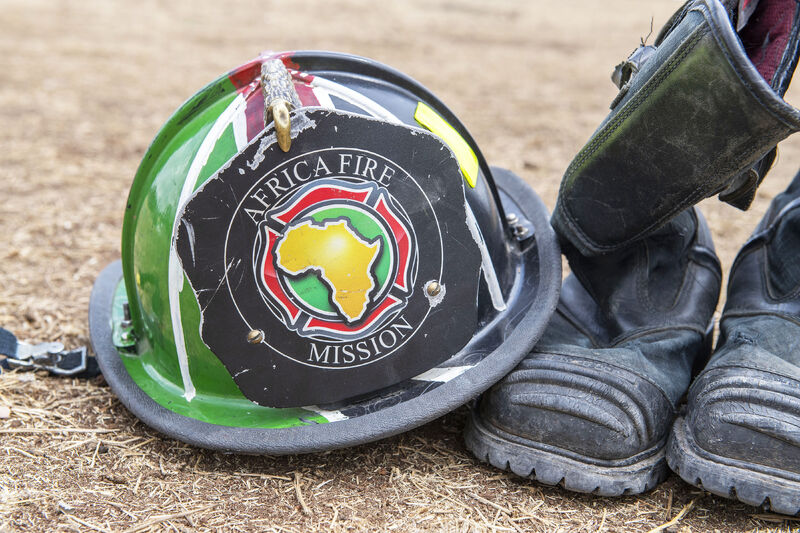
Before we understand the power of online training, we first need to know why Kenya has skill gaps in the fire sector. Skill gaps happen when firefighters need certain knowledge or abilities, but they do not have enough training or practice. Several things cause this situation.
Kenya does not have many fully equipped fire training centres. Counties often depend on only a few major training grounds. This means firefighters must travel long distances, which is costly and time consuming. Because of this, many departments miss training opportunities.
Fire departments in Kenya do not always have enough money for fuel, equipment, or training materials. When budgets are too small, training is often delayed.
Some counties have advanced equipment, while others have very old tools. This creates different levels of skill among firefighters. Areas that get fewer emergencies may also have fewer opportunities to practice.
Kenyan firefighters benefit a lot from training with international professionals. However, bringing trainers from other countries is expensive. Travel, accommodation, and logistics make in-person sessions difficult.
Kenya has more industrial areas, more towns, more homes, and more vehicles than before. This means more fire risks. Firefighters need more skills to keep up with these changes.
These challenges show why Kenya needs new, flexible, and affordable ways of helping firefighters upgrade their skills. This is where virtual fire training in Kenya comes in.
Virtual training means learning through the internet. Firefighters join classes from their stations, homes, or offices. Trainers teach them using video calls, presentations, practical demonstrations, and group discussions. The learners can ask questions, take quizzes, and practice decision making. Some people think firefighting must always be learned in the field, but this is not fully true. Many important fire skills can be learned online. These include fire behavior and fire science, rescue concepts, incident command, team communication, safety procedures, leadership, risk assessment, equipment knowledge, and lessons from past fire incidents. This is why virtual fire training in Kenya has become a powerful tool for both new and experienced firefighters.
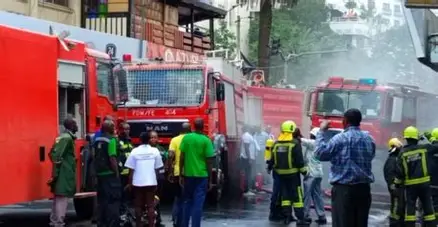
The biggest benefit of online learning is that it removes distance barriers. Firefighters from Nairobi, Mombasa, Kisumu, Kiambu, Turkana, Garissa, Nyeri, and many other counties can all join the same class. They only need a phone or computer. This means everyone gets equal access.
Virtual learning makes it possible for Kenyan firefighters to learn from experts in the United States, Europe, and other parts of Africa. They do not need to pay for flights or hotels. This brings world class knowledge directly to Kenya.
Online classes cost much less than physical training. Counties save money on fuel, transport, meals, and accommodation. The only requirement is internet access. This means more firefighters can learn at the same time.
If a firefighter misses a lesson or wants to review something, many virtual platforms allow them to watch recordings. Learning becomes flexible and easier.
Virtual training encourages open discussion. Firefighters from different counties share ideas, compare experiences, and learn from each other. This creates a strong team spirit across the country.
Many emergencies happen because firefighters do not fully understand fire behavior. Online classes explain how fires start, grow, and spread. This helps firefighters make safer decisions.
This is how virtual fire training in Kenya removes skill differences and gives every firefighter a fair chance to learn.
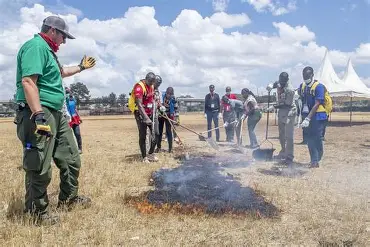
Another major part of improving fire service training in Kenya is the PCPM Kiambu Firetrack Centre. This centre has become one of the most important training grounds in the country. It shows that Kenya is moving towards safer, more advanced fire services. The centre offers hands-on training in fire behavior, search and rescue, hose management, ladder skills, fire simulations, command and control, firefighter fitness, and water supply management.
The centre also supports virtual fire training in Kenya by offering blended learning programs. Firefighters can first learn theory online, then attend practical sessions at the centre. This modern approach helps reduce time and cost while still building strong practical skills. The centre also works closely with international partners who support African fire training programs. These partnerships provide advanced knowledge, training equipment, and improved teaching methods. When we say How PCPM Kiambu Firetrack Centre Is Changing Fire Training, we mean that the centre is helping Kenya move toward modern, professional, and standardised fire service training.
The Africa Fire Mission (AFM) weekly virtual sessions have changed many fire departments across Kenya. They offer free, high quality training to firefighters, officers, and even new recruits. Below are the main reasons why firefighters should attend every week.
AFM brings trainers from the United States and other countries. Firefighters learn advanced skills at no cost.
The sessions are usually one hour long. They focus on one important topic at a time. This makes learning easy.
Firefighters who attend AFM sessions learn more and become more confident. Some move up to leadership positions.
Firefighters from over 20 counties join the classes. They share stories, problems, and solutions. This creates national teamwork.
New members of the fire service benefit greatly. They learn from experts and avoid common mistakes.
Counties with trained firefighters perform better during emergencies. AFM training helps counties build stronger fire teams.
When firefighters learn safety rules, they reduce injuries to themselves and to the public.
Regular training helps build discipline, confidence, and professionalism. Kenya’s fire services become stronger with every session.
This shows why AFM sessions are a key part of virtual fire training in Kenya and why no firefighter should miss them.
The best fire training mix includes both online learning and field practice. This combination helps firefighters gain full skills. Virtual classes teach the mind. Physical practice teaches the body. When firefighters understand theory well, they perform better during real emergencies. This is why many firefighters attend AFM virtual training and then go to PCPM Kiambu Firetrack Centre for advanced drills.
Many firefighters across Kenya have shared how virtual fire training in Kenya has changed their work. They have reported better response speed, better teamwork, better decision making, more confidence, fewer mistakes in the field, and more understanding of fire behavior. County leaders have also said that training has reduced losses during fires and improved cooperation between departments.
Kenya’s fire sector is growing. With more virtual learning programs, better training centres, and international partnerships, the future looks strong. Counties that once struggled with poor training can now access quality lessons. Young firefighters joining the service will have more knowledge than ever before. The combination of virtual fire training in Kenya, the work of AFM, and the improvements at PCPM Kiambu Firetrack Centre all point toward a safer and stronger fire service for the country.
Virtual training has opened a new world for Kenyan firefighters. It breaks distance barriers, reduces costs, and brings world class knowledge directly to the learners. It helps firefighters work better, think faster, and stay safe during emergencies. With programs like AFM weekly sessions and advanced centres such as PCPM Kiambu Firetrack Centre, Kenya is moving toward a future where firefighters are well trained, confident, and ready for any challenge. This is how virtual fire training in Kenya is bridging skill gaps and building a safer nation.
