
Cooking Fires in Africa are one of the biggest and most deadly home dangers on the continent. Every day, families lose children, parents, and property because small cooking flames turn into large fires. These disasters do not start in factories or big buildings. Instead, they begin in small kitchens, single rooms, and outdoor shelters where food is cooked for survival.
Across Africa, millions of homes use gas, charcoal, kerosene, or firewood. While these fuels help families prepare meals, they also create serious fire risks when used near plastic, curtains, or bedding. Because of this, one small spill, a sudden wind, or a forgotten pot can quickly become a deadly blaze.
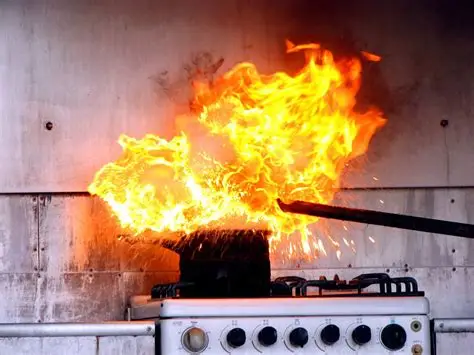
For this reason, this guide explains why Cooking Fires in Africa are so common and how simple changes can cut fire deaths by more than 70 percent.
Why Cooking Fires in Africa Are So Common
Most African homes do not have modern kitchens. Instead, people cook in small rooms, on the floor, or inside sleeping areas. Many houses are built from wood, plastic, mabati sheets, and cardboard, which burn very fast.
Because flames are placed close to walls and beds, fire spreads quickly. As a result, a small flame that tips over can reach curtains or clothes in seconds.
Main causes of cooking fires
In addition, children move freely around cooking areas. When a child bumps a stove or pulls a pot, boiling oil or fire can fall onto the floor and spread.
Therefore, Cooking Fires in Africa are not accidents. They are the result of daily danger.
How Fuel Choices Affect Cooking Fires in Africa
Different fuels create different risks, so it is important to understand how each one behaves.
Charcoal and Firewood
Charcoal and firewood throw off flying sparks. Because many homes place stoves on the floor, sparks easily reach bedding, clothes, and plastic.
Kerosene
Kerosene becomes very dangerous when it heats up. As it warms, it releases vapor that can explode. Furthermore, many kerosene stoves leak fuel onto the floor, creating hidden fire traps.
Gas
Gas is clean but deadly when it leaks. Since gas has no color, it fills rooms without being seen. As a result, one spark from a match, phone, or light switch can cause an explosion.
When these fuels are used indoors without air flow, smoke and heat build up quickly. Because of this, escape becomes difficult if a fire starts.
How Small Changes Can Reduce Cooking Fires in Africa
You do not need a lot of money to stay safe. Instead, you need safer habits.
Life-saving cooking habits
When families follow these steps, fire deaths drop sharply. Therefore, even small actions can save many lives.
Why Ventilation Saves Lives
Smoke is often more dangerous than flames. It blinds people, causes coughing, and makes them faint. In fact, many people die from smoke before fire reaches them.
For this reason, open windows, doors, and vents allow heat and smoke to escape. As a result, families get more time to react and get outside.
Never cook in a closed room.
How Kitchens Turn Into Death Traps
When kitchens are also bedrooms, fire becomes even more deadly. If a fire starts while people are asleep, they may not wake up in time.
Plastic walls, foam mattresses, and wooden furniture burn very fast. Because of this, a small flame can turn a whole room into fire in less than three minutes.
That is why Cooking Fires in Africa often kill entire families at once.
Simple Kitchen Safety Rules
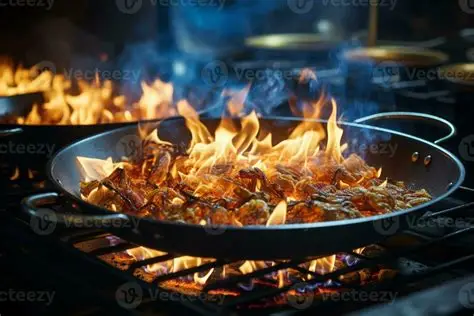
These simple rules cost nothing. However, they save lives.
What To Do If a Cooking Fire Starts
If you act fast, many fires can be stopped.
Conclusion
Cooking Fires in Africa are not caused by bad luck. Instead, they come from habits that can be changed. With simple care, safer cooking spaces, and basic fire knowledge, families can protect their homes and loved ones. Fire safety always starts in the kitchen.
