
The firefighters daily routine begins long before a fire starts and continues long after it ends. Across Africa, this routine is not just work. Instead, it is a life of sacrifice, discipline, and constant readiness.
Every day, firefighters prepare for danger. Therefore, they train hard and stay alert at all times. However, most people only see sirens and flashing lights. They rarely see the effort behind every response.
In many African communities, fires destroy homes, markets, and schools. Because of this, understanding the firefighters daily routine is important. It helps people see why fire prevention must come first.
This article explains the real life of firefighters. It also shows how every African can help prevent fires and save lives.
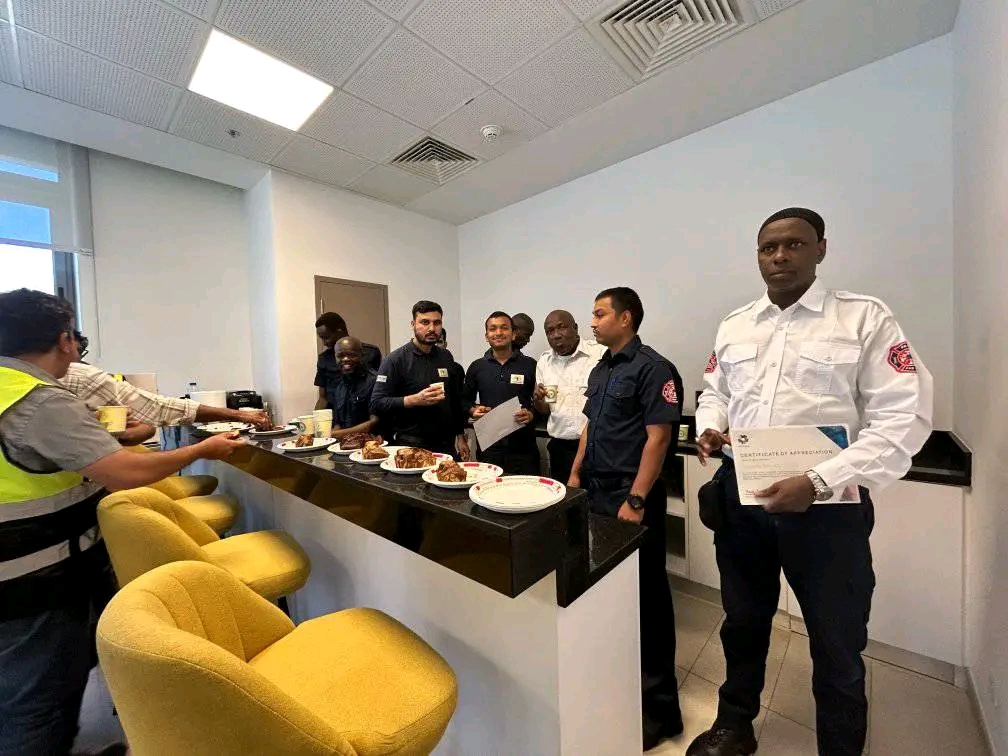
The firefighters daily routine is shaped by frequent fire outbreaks. In many areas, these fires are preventable. However, they continue to happen due to unsafe practices.
Across Africa, rapid urban growth has increased fire risks. For example, informal settlements often have poor planning. As a result, fires spread very fast.
Electrical systems are often unsafe. In addition, many people use illegal connections. Because of this, electrical fires are common.
Cooking methods also increase risk. Many families use open flames indoors. Therefore, accidents happen easily.
Markets are also dangerous places. Traders store flammable goods close together. As a result, one fire can destroy an entire market.
Because of these challenges, firefighters work under pressure every day. However, the biggest problem is not response. Instead, it is the lack of prevention.
To understand the firefighters daily routine, we must understand what causes fires. Most fires start from simple mistakes.
Electrical faults are a major cause of fires. For instance, faulty wiring can spark flames quickly. In addition, overloaded sockets increase heat.
Because many homes lack proper inspection, these risks remain high.
Cooking is necessary. However, it can be dangerous if left unattended. For example, hot oil can catch fire easily.
As a result, many home fires begin in the kitchen.
Gas is widely used across Africa. However, leaks can cause explosions. Therefore, checking cylinders regularly is important.
Flammable materials are often stored carelessly. Because of this, fires can start and spread quickly.
Human behavior plays a big role. For example, careless smoking or burning rubbish can cause fires.
Therefore, firefighters respond to many incidents that could have been avoided.
The firefighters daily routine clearly shows that prevention saves lives. Without it, communities suffer greatly.
Fires can kill quickly. In fact, smoke inhalation is very dangerous. Therefore, early action is important.
Property damage is also severe. Homes and businesses can be destroyed in minutes. As a result, families lose everything.
Fires also affect the economy. For example, businesses close and jobs are lost. In addition, recovery takes a long time.
Because of these impacts, fire prevention must be a top priority across Africa.
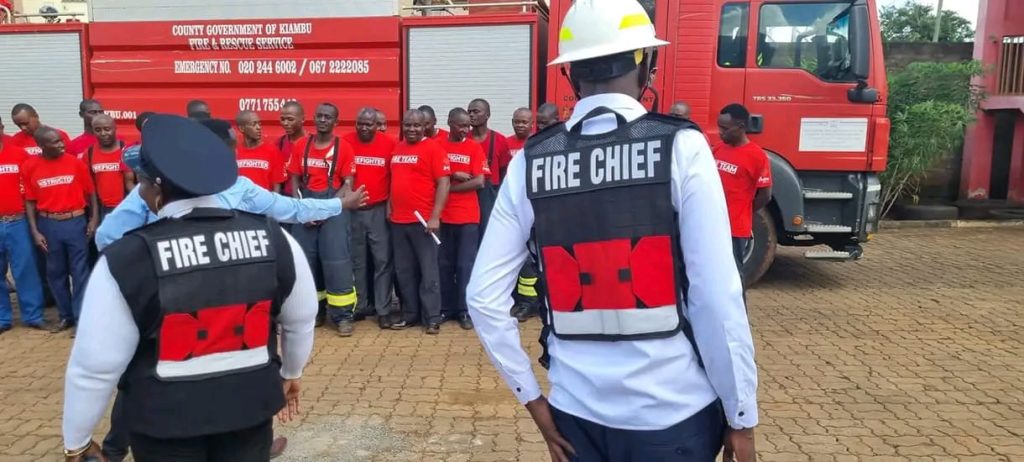
The firefighters daily routine follows a cycle of readiness, action, and recovery. Each part of the day plays a key role.
Each morning starts with preparation. First, firefighters inspect their equipment. Then, they check fire engines and tools.
Training is also important. At the same time, they practice drills to improve skills. Because of this, they stay ready for emergencies.
They also clean and organize their station. Therefore, everything is in place when needed.
The firefighters daily routine includes prevention work. For example, firefighters visit schools to teach safety.
They also inspect buildings. In addition, they guide business owners on fire prevention.
Sometimes, they respond to small incidents. These actions help prevent bigger disasters.
As the day continues, firefighters remain alert. Therefore, they review plans and prepare for night duty.
Although they rest, they do not fully relax. Because emergencies can happen anytime.
Nighttime is often busy. Because people are asleep, fires spread quickly.
When alarms sound, firefighters respond immediately. They wear protective gear and rush to the scene.
They face smoke, heat, and danger. However, they work together to save lives.
This is the most intense part of the firefighters daily routine.
After each incident, work continues. Firefighters clean equipment and refill water tanks.
Then, they prepare for the next call. Although they rest briefly, they remain ready.
The firefighters daily routine teaches simple lessons that everyone can follow.
Never leave cooking unattended
Check electrical wiring often
Keep children away from fire sources
Install smoke alarms if possible
Conduct fire drills regularly
Ensure exits are clear
Avoid overcrowding
Store materials safely
Install fire extinguishers
Train workers on safety
Maintain electrical systems
Follow safety rules
Organize awareness programs
Support fire stations
Report hazards early
Promote fire safety education
These actions can reduce fire risks significantly.
The firefighters daily routine shows that everyone has a role in fire prevention.
Governments must invest in fire services. Therefore, they should build more stations and provide equipment.
They must also enforce safety laws. Because of this, fire risks can be reduced.
NGOs play a key role. For example, they can fund training programs.
Donors can support equipment and awareness campaigns. As a result, communities become safer.
Businesses must protect their assets. Therefore, they should invest in safety systems.
They must also train workers. In addition, they should follow safety standards.
Young people can lead change. Because they learn quickly, they can spread awareness.
Therefore, teaching fire safety early is important.
The firefighters daily routine highlights the need for local solutions.
Simple tools like sand and water can stop small fires. Therefore, communities can act quickly.
Fire safety should be taught in local languages. In addition, radio and social media can spread messages fast.
African innovators can create affordable equipment. As a result, more people can access safety tools.
Training volunteers strengthens communities. Because of this, response becomes faster and more effective.
The firefighters daily routine is supported by strong organizations. Mama Kabale Fire Safety Foundation is one of them.
The foundation provides training and education. Therefore, it helps communities prevent fires.
It works with schools, businesses, and leaders. In addition, it promotes awareness across Africa.
Because of its efforts, it is becoming a trusted leader in fire safety.
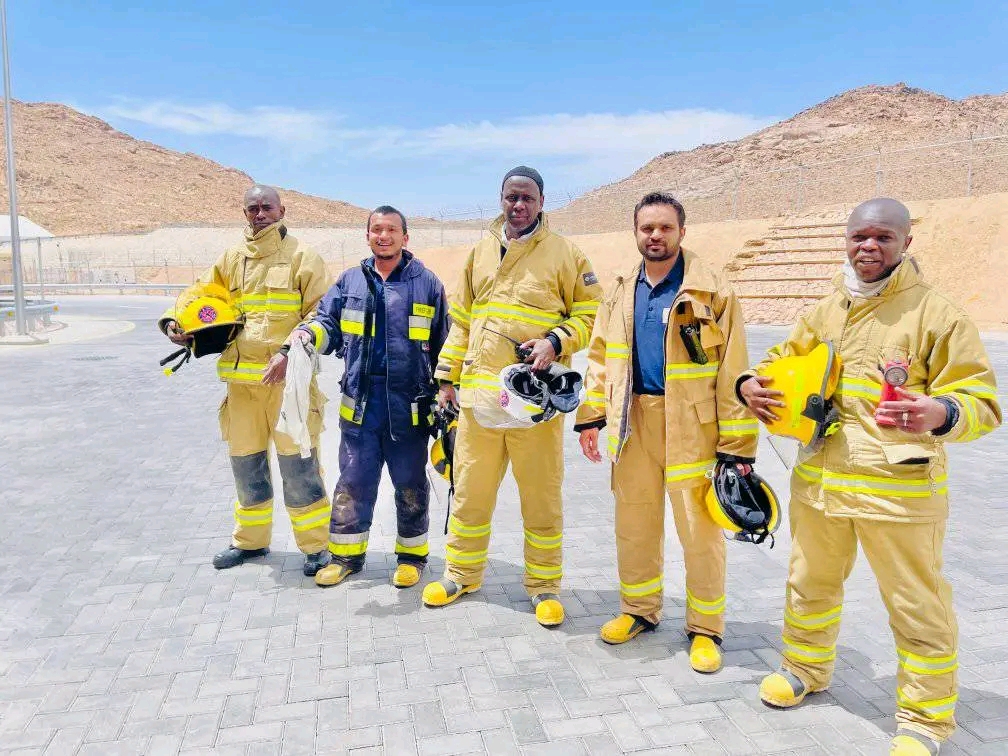
The firefighters daily routine is a story of courage and sacrifice. Every day, firefighters risk their lives to protect others.
However, they cannot do it alone.
Fire prevention starts with you. Therefore, take action today.
Share this article with others. Teach fire safety in your community. Support programs that promote safety.
Stand with Mama Kabale Fire Safety Foundation. Together, we can reduce fires and save lives across Africa.
The time to act is now.
