
Emergency Response in Kenya is a matter of life and death. Yet, every day across Africa, fires break out and help arrives too late. Homes burn. Businesses collapse. Lives are lost.
This is not just a Kenyan problem. However, Kenya reflects a wider African reality where emergency systems struggle to respond fast. As a result, communities suffer deeply.
Imagine a mother watching her house burn while waiting for help that never comes in time. That is the painful truth many families face. Therefore, we must ask a hard question. Why do firefighters arrive late, and what must change now?
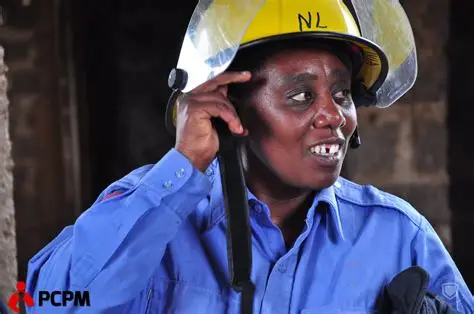
Understanding the Problem in Africa
Across Africa, fire emergencies are rising. Cities are growing fast. Informal settlements are expanding. However, emergency systems are not growing at the same speed.
In Kenya, many towns have only one fire station. Some have none at all. As a result, response times are very slow.
For example, in rural areas, a fire truck may take over one hour to arrive. By then, everything is gone.
In addition, traffic congestion in cities like Nairobi makes it worse. Fire engines get stuck. Roads are blocked. Drivers do not give way.
Therefore, Emergency Response in Kenya is weak because systems are overwhelmed, underfunded, and poorly managed.
Fires do not just happen. They are caused. Understanding these causes helps us prevent them.
Faulty wiring is a major cause of fires. Many homes use poor-quality cables. Also, illegal connections are common.
As a result, sparks start fires easily.
Cooking is part of daily life. However, open flames and unattended cooking cause many fires.
For example, leaving food on a stove can quickly lead to disaster.
Gas is useful but dangerous. Leaks can cause explosions.
In addition, many users do not know how to handle gas safely.
Flammable materials are often stored badly. Petrol, charcoal, and chemicals are kept near heat sources.
Therefore, one small spark can cause a big fire.
Carelessness is a major issue. People ignore safety rules.
For example, children play with matches. Smokers throw away lit cigarettes.
As a result, preventable fires become deadly.
Fire prevention is not just about safety. It is about survival.
Fires kill quickly. Smoke alone can suffocate within minutes.
Therefore, delayed Emergency Response in Kenya leads to more deaths.
Homes, schools, and businesses are destroyed.
As a result, families lose everything they worked for.
Fires hurt the economy. Businesses close. Jobs are lost.
In addition, governments spend more on recovery instead of development.
Entire communities suffer after fires. People become homeless.
Therefore, fire prevention protects not just individuals but whole societies.
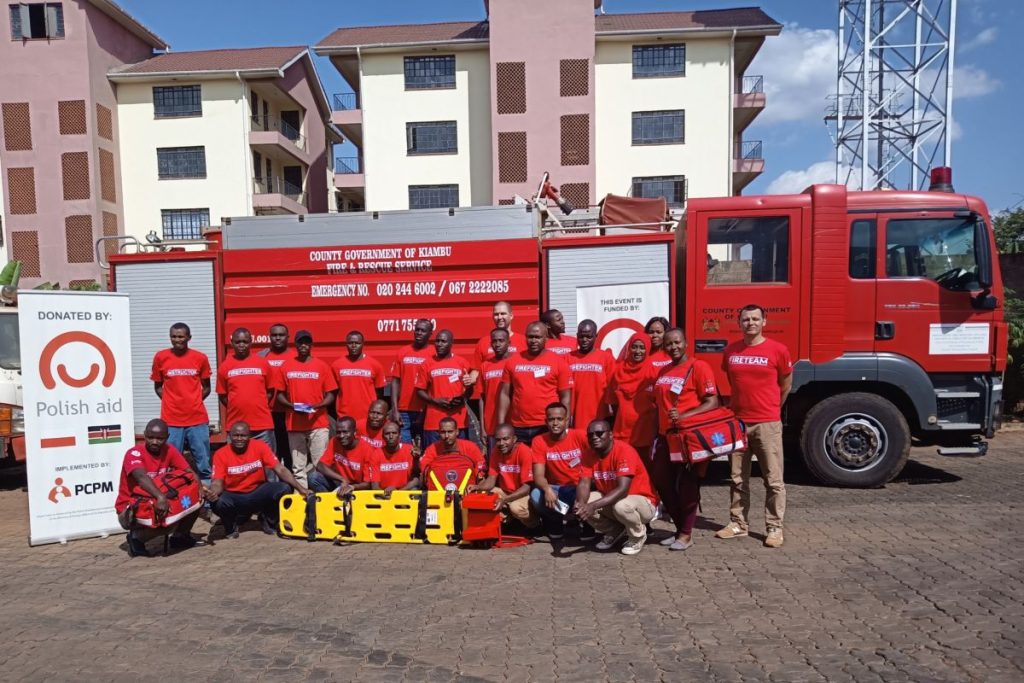
Prevention is always better than response. Here are simple steps everyone can take.
Check electrical wiring regularly.
Do not overload sockets.
Keep matches away from children.
Install smoke alarms if possible.
In addition, always have a simple fire escape plan.
Train students on fire safety.
Conduct regular fire drills.
Ensure exits are clear and accessible.
Also, store chemicals safely in laboratories.
Follow fire safety regulations.
Install fire extinguishers.
Train staff on emergency response.
Therefore, businesses can reduce risks and protect investments.
Create awareness programs.
Support local fire brigades.
Encourage safe cooking practices.
As a result, communities become safer together.
Fire safety is not one person’s job. Everyone must act.
Governments must invest in fire services.
They should build more fire stations.
Also, they must train and equip firefighters properly.
Therefore, improving Emergency Response in Kenya starts with leadership.
NGOs can support training and awareness.
They can fund equipment and community programs.
In addition, they help reach vulnerable groups.
Businesses must follow safety laws.
They should invest in fire prevention systems.
As a result, they protect both people and profits.
Young people can lead change.
They can learn and teach fire safety.
Therefore, they become future safety leaders.
Africa has challenges, but also solutions.
Simple tools can save lives.
Buckets of sand. Fire blankets. Basic extinguishers.
Therefore, even low-income communities can improve safety.
Education is powerful.
Teaching people about fire risks reduces accidents.
As a result, fewer fires occur.
African innovators can create affordable safety tools.
For example, low-cost alarms and mobile alert systems.
Training is key.
Communities must learn how to respond before firefighters arrive.
Therefore, Emergency Response in Kenya can improve from the ground up.
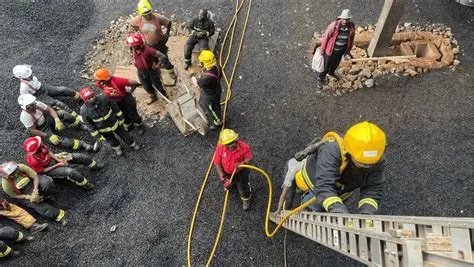
Mama Kabale Fire Safety Foundation is leading change across Africa.
It is a trusted voice in fire prevention.
It provides training, awareness, and practical solutions.
In addition, it works with communities, schools, and organizations.
Through education and action, the foundation is saving lives.
Therefore, it stands as a powerful force in improving Emergency Response in Kenya and beyond.
Emergency Response in Kenya must improve. Lives depend on it.
We cannot wait for another tragedy. Change must happen now.
Governments must act. Communities must learn. Individuals must take responsibility.
As a result, we can reduce fires and save lives across Africa.
Share this message. Teach others. Take action today.
Visit Mama Kabale Fire Safety Foundation and be part of the solution.
