
Fire drill problem in African schools is a silent danger that puts millions of children at risk every day. Across villages and major cities, many schools have never practiced a fire drill. As a result, teachers and students often do not know what to do when fire breaks out. This challenge is not about money at all. Instead, it is about awareness, planning, and leadership. In this blog, the real problem is explained clearly, along with simple ways to fix it without money.
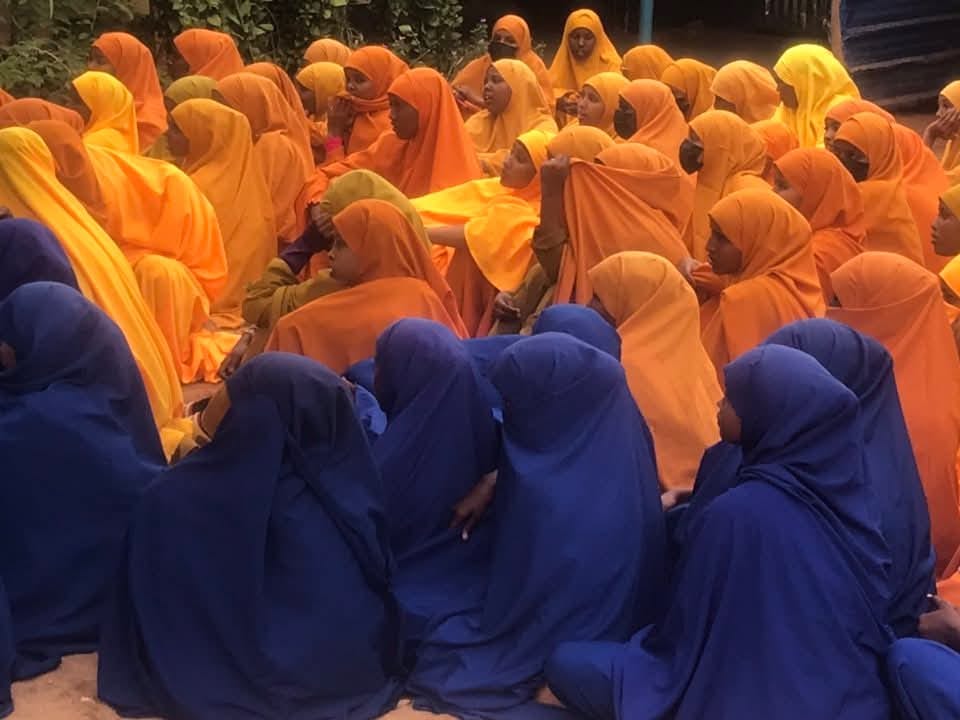
As Africa continues to grow, schools are also increasing in number. However, safety is not improving at the same pace. In many cases, fire drills in African schools are rare, ignored, or only written in books. Because of this, lives are placed in danger. Fires do not give warnings before they start. When they happen, panic often kills faster than flames. Therefore, this issue must be discussed openly and honestly.
As an African fire safety expert, I understand local realities. For this reason, this blog is written for parents, teachers, school owners, government leaders, NGOs, and even presidents. Simply put, fire safety is for everyone.
The fire drill problem in African schools is not hidden. In fact, it is visible but often ignored. In many schools, classrooms are crowded with children, exits are narrow, doors are locked, and emergency plans do not exist. When a fire starts, children panic, run, fall, and sometimes get trapped.
Across many countries, school fire safety in Africa is weakly enforced. Although laws exist, practice remains poor. On one hand, some schools believe fire drills are only for rich countries. On the other hand, others think drills require equipment and money. Unfortunately, this thinking is both wrong and dangerous.
In truth, fire drills save lives. They teach calm behavior, order, and safe escape. Without drills, even a small fire can quickly turn into a deadly event.
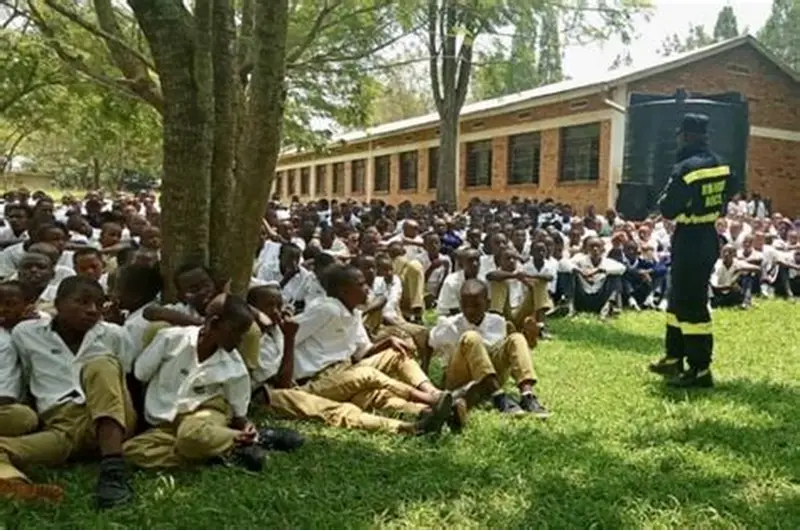
First of all, fire drills fail because of mindset. Many school leaders do not see fire as a real risk. As a result, this leads to a lack of fire drills in schools across Africa.
In addition, poor training plays a major role. Most teachers are not trained in fire safety education in schools. Because of this, they are unsure how to lead students during emergencies.
Moreover, fear affects decision-making. Some schools avoid drills because they believe children will panic. However, the opposite is true. Drills actually reduce panic.
Finally, weak supervision from authorities worsens the situation. When inspections focus only on exams and buildings, safety is forgotten.
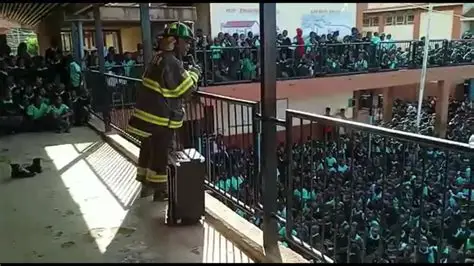
Overall, fire preparedness in African schools remains very low. Many schools lack exit plans. In some cases, one classroom has only one door for fifty students. In other cases, fuel, books, or chemicals are stored near learning areas.
Furthermore, school fire risk in Africa is high due to cooking areas, candles, faulty wiring, and overcrowding. In rural regions, school safety in rural Africa is even weaker because fire services are far away.
Too often, schools wait for outside help that never comes. Therefore, fire safety in developing countries must begin inside the school itself.
Every classroom carries fire risks. For example, papers, wooden desks, curtains, and electricity are common fire fuels. When students are not trained on how to react, a small fire can quickly become a disaster.
Sadly, many fire disasters in African schools show the same pattern. There are no drills. There is no plan. Leadership is missing. As a result, children run in all directions.
However, this situation is not fate. It is preventable.
When schools ignore the fire drill problem in African schools, the results are severe. Death, injuries, trauma, and loss of trust often follow. Parents lose confidence. Communities suffer pain. In some cases, schools are closed.
Beyond the loss of life, schools may face legal trouble. Governments face public anger. Leaders face shame.
Because of this, fire emergency response in schools must be planned before fire happens. During a fire, it is already too late.
Fire safety is a shared responsibility. School owners, head teachers, boards, teachers, parents, and governments all have roles to play.
Importantly, fire safety is not only the duty of fire departments. School emergency drills Africa must be led by schools themselves.
At the same time, community leaders, religious leaders, and youth groups can support fire drill awareness in Africa. When everyone works together, safety improves.How to Fix the Fire Drill Problem Without Money
Most importantly, the fire drill problem in African schools can be fixed without money.
To begin with, planning costs nothing. Schools can draw simple exit plans on paper. Teachers can agree on roles in advance.
Next, communication costs nothing. Teachers can explain fire risks during normal class time.
Finally, practice costs nothing. Students can calmly walk out during break time.
This approach is fire safety without equipment, and it works.
In practice, low-cost fire drills for schools mean using available resources. For example, the school bell can serve as an alarm. Teachers act as guides, while students help one another.
In addition, exits can be marked with chalk. Pathways can be cleared by moving desks. Most importantly, students should practice walking, not running.
These are real no-budget school fire safety solutions for Africa.
Teachers are natural leaders. Therefore, fire drill training using teachers only is both possible and effective.
During drills, one teacher leads the line. Another checks toilets. A third counts students outside.
As a result, teacher confidence grows. This also improves fire emergency response in schools. No outside trainer is needed at the start.
In many areas, fire officers are willing to help schools for free. Likewise, local NGOs can offer support. Universities and safety groups can also volunteer.
Through this support, community-based fire drills are created. Trust grows, and responsibility is shared.
In the end, fire safety awareness without resources becomes possible when communities work together.
Fire safety should be part of daily learning. Short talks, simple stories, and clear rules can make a big difference.
For example, children should know how to line up, cover their noses, and follow teacher instructions.
Over time, this builds lifelong safety habits and strengthens education safety in Africa.
To truly solve the fire drill problem in African schools, Africa must change its mindset. Fire safety is not a luxury. It is survival.
Therefore, presidents must speak about it. Ministries must enforce it. Schools must practice it.
This is how school fire safety in Africa will improve.
Africa does not need to wait for donations. Instead, action is needed now.
If every school practiced just one fire drill per term, thousands of lives would be saved.
This blog is a call to action for all Africans, from villages to capital cities.
Mama Kabale Fire Safety Foundation exists to protect African lives. No child should die because of ignorance.
Through practical solutions, we teach how to conduct fire drills without money. We serve communities, schools, and nations.
Our mission is to end the fire drill problem in African schools through knowledge and action.
Fire does not choose rich or poor. It does not wait for budgets.
Therefore, fire safety must start with you.
Let us protect our children. Let us act now.
The fire drill problem in African schools can be solved today, without money.
Fire Chief Wako Abgudo
Founder and Author
STOP DROP AND ROLL – School Fire Safety
