
Fire Extinguisher Africa Starts With Reality
Fire Extinguisher Africa is one of the smartest safety decisions any home, shop, or office can make. Across many African countries, fires spread rapidly while emergency response often arrives late. Because of distance, traffic, and limited resources, firefighters frequently reach scenes after major damage has already occurred.
As a result, the first response to fire usually comes from ordinary people. Mothers, workers, traders, and teachers face flames before professionals do. For this reason, the right Fire Extinguisher Africa becomes a lifesaving tool rather than a luxury.
This guide focuses on what works in real African conditions. It emphasizes prevention, affordability, and fast action.
Fire Risks in African Homes and Workplaces
Fire risks in homes and workplaces continue to rise each year. Many households rely on LPG gas, charcoal, candles, and unstable electrical connections. At the same time, informal settlements place structures very close together. Consequently, a small fire can quickly spread to multiple homes.
In offices and shops, overloaded sockets and poor wiring cause frequent incidents. Markets often store clothes, plastics, and fuel in tight spaces. Because of this combination, fires spread fast and destroy livelihoods.
Ultimately, fire prevention must begin before flames grow out of control. Early action saves more lives than late response.
Understanding Common Types of Fire Extinguishers
Choosing the wrong extinguisher can make a fire worse. Therefore, understanding basic options is critical.
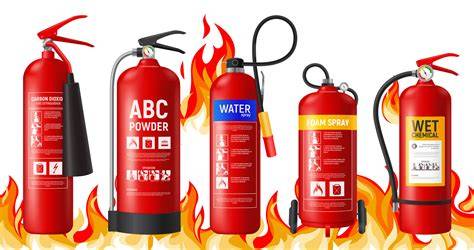
Water extinguishers work well on paper, wood, and cloth fires. However, they are extremely dangerous on electrical or gas fires.
Foam extinguishers are effective on liquid fires such as fuel and oil. Still, they should not be used on live electrical equipment.
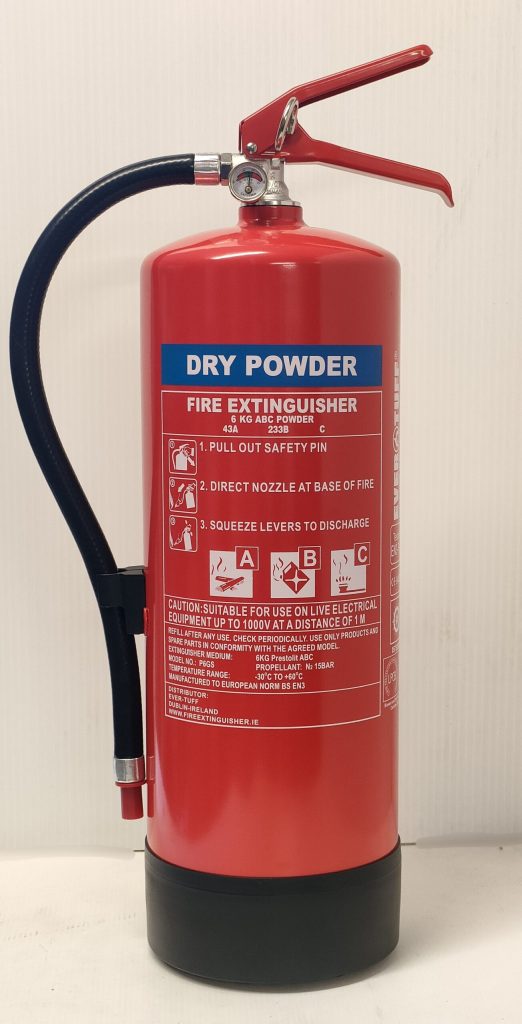
Dry powder extinguishers are the most practical option in many African settings. They work on gas, liquid, and electrical fires. Because LPG use is widespread, this type offers broad protection.
Carbon dioxide extinguishers are best suited for electrical equipment in offices. However, since they do not cool the fire, re-ignition can occur.
Practical Fire Safety Choices for Homes
Homes face multiple fire risks at once. Kitchens involve gas, bedrooms may involve candles, and living areas rely on electricity. Because of this mix, a multipurpose solution is essential.
In practice, dry powder units provide the widest protection at the lowest cost. They are affordable, widely available, and effective against common household fires.
Small homes usually need a 1kg or 2kg unit, while larger homes should consider 4kg units. Placement matters just as much. Always keep the extinguisher near an exit, never directly above a stove.
Prepared households respond faster and suffer fewer losses.
What Works Best for African Households
Many people ask which option works best in African homes. The answer depends on risk, cost, and accessibility.
Dry powder extinguishers consistently provide the best balance of coverage and affordability. Therefore, they remain the safest choice for most families.
However, equipment alone is not enough. Regular checks and basic training ensure the extinguisher works when needed.
Protecting Shops, Offices, and Small Businesses
Fire safety equipment is not just about protection; it is about business survival.
Small shops should place extinguishers near entrances for quick access. Larger shops require multiple units positioned along escape routes. Early control prevents fires from spreading to neighboring traders.
Offices face constant electrical risks from computers, printers, and servers. As a result, both dry powder and CO₂ extinguishers are necessary in most office environments.
Fire Safety Requirements in Offices
Office fire safety rules are often ignored, leading to avoidable losses. Every floor should have visible and accessible equipment. Staff must also know how to use it.
Unfortunately, some workplaces block extinguishers with furniture or lock them away. In an emergency, seconds matter. Equipment must be reachable immediately.
Market and Kiosk Fire Safety Challenges
Markets burn rapidly because goods are packed tightly and exits are limited. Even a small flame can turn into a disaster within minutes.
Kiosks using LPG or generators should always have dry powder extinguishers. In many cases, one unit can save several businesses.
Community safety improves when traders protect not only themselves but also their neighbors.
Handling LPG and Electrical Fire Risks
LPG and electrical fires cause most serious injuries in homes and workplaces. Gas explosions occur suddenly, while electrical sparks often grow silently.
Water should never be used on these fires. Dry powder is the safest option for both gas and electricity. CO₂ works for electrical fires but is ineffective against gas.
Knowing these differences prevents severe burns and fatalities.
Step-by-Step Guide to Making the Right Choice
To choose correctly, start by identifying your main fire risks. Next, select a multipurpose option if risks overlap. Then, choose the right size for your space.
After that, check certification and service dates. Finally, place the extinguisher where it can be reached within seconds.
This approach works for homes, shops, and offices alike.
Why Standards and Maintenance Matter
Standards protect users. Fake or expired units often fail during emergencies, and unfortunately, such products are common in some markets.
Always check pressure gauges and servicing dates. Without maintenance, even the best equipment becomes useless.
Fire prevention must include awareness, inspection, and routine servicing.
Prevention Costs Less Than Firefighting
Preventing fires costs far less than responding to them. Fire engines are expensive, fuel is limited, and road access can delay response.
One extinguisher can stop a fire in seconds. That single action can save lives, jobs, and public resources.
Field experience shows that many losses occur simply because no equipment was available.
The Role of Leaders and Policymakers
Governments, schools, and industries must prioritize prevention. Fire safety equipment protects economies, jobs, and public institutions.
Schools without extinguishers endanger children. Offices without training put workers at risk. Policy should focus on early action rather than reaction alone.
Fire Safety as a Shared Responsibility
In conclusion, Fire Extinguisher Africa is about responsibility and leadership. Families, businesses, and governments all have a role to play.
Mama Kabale Fire Safety Foundation exists to educate, protect, and prevent loss. Fires will happen, but prepared communities survive them.
One informed decision can save many lives.
Fire chief Wako Abgudo
