Fire Prevention Lessons from Firefighters in Kenya
Fire prevention lessons from firefighters in Kenya are critical for saving lives and property. Every year, thousands of people across Kenya and other African countries lose homes, businesses, and even lives due to fires. Firefighters have extensive experience in controlling and preventing fires, but they face challenges that prevent them from fully sharing their knowledge with communities.
In this blog, we explore the lessons firefighters teach about fire prevention, the obstacles they face, and how communities and governments can support them. From Nairobi to remote counties, understanding these lessons can save lives and build a strong fire safety culture in Kenya and across Africa.
🔥 Why Fire Prevention Matters in Kenya
Fire is a major threat in Kenya due to several factors:
Rapid urbanization and dense housing in cities.
Flammable materials in homes and businesses.
Poor electrical wiring and lack of maintenance.
Limited fire awareness among communities.
Fire prevention lessons from firefighters in Kenya teach people how to reduce these risks before a fire starts. Awareness is especially important in counties with high population density like Nairobi, Mombasa, Kisumu, and Eldoret.
🚒 Key Fire Prevention Lessons from Kenyan Firefighters
1. Electrical Safety
Electrical faults are a leading cause of fires in Kenya. Firefighters teach communities to:
Avoid overloading sockets.
Inspect wiring regularly.
Switch off appliances when not in use.
Use certified electrical equipment only.
Lesson: Simple electrical precautions can prevent many fires before they begin.
2. Safe Cooking Practices
Cooking accidents are common, especially in informal settlements and hostels. Firefighters emphasize:
Never leaving cooking unattended.
Keeping flammable materials away from stoves.
Proper use of gas and kerosene stoves.
Installing fire blankets in kitchens.
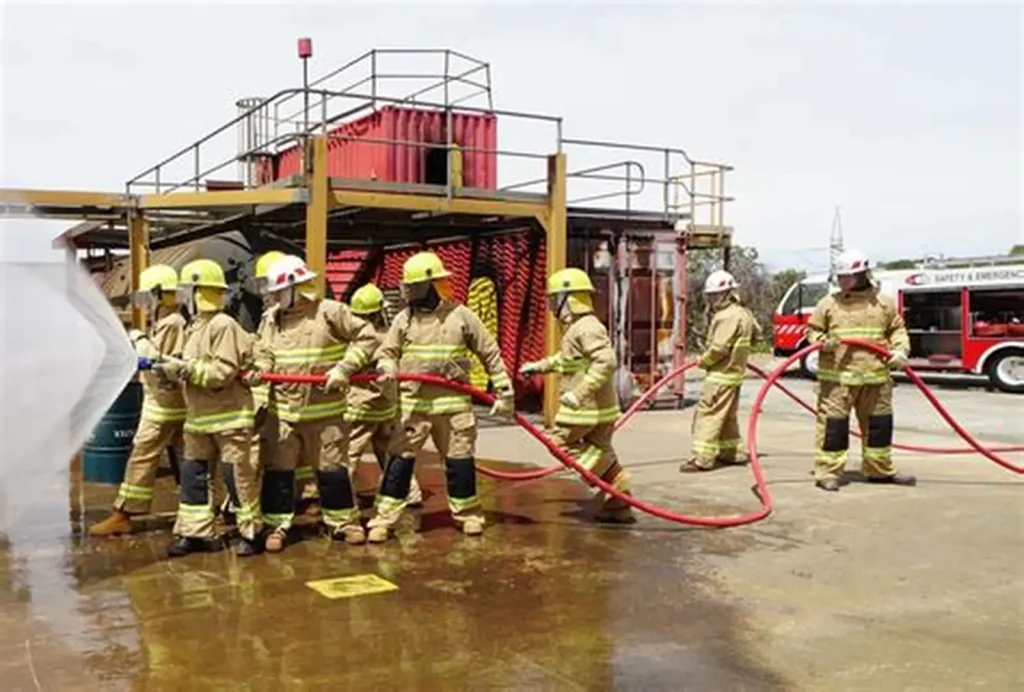
These lessons are part of fire prevention training Kenya firefighters provide in schools, universities, and communities.
3. Fire Escape PlanningFirefighters encourage households and businesses to have clear evacuation plans:
Mark all exits clearly.
Practice drills regularly.
Identify safe assembly points outside buildings.
Educate children and elderly on escape procedures.
This supports a culture of fire safety awareness Kenya.
4. Firefighting Equipment Knowledge
Many people do not know how to use extinguishers, blankets, or hydrants. Firefighters teach:
Correct use of fire extinguishers.
When to attempt small fires and when to evacuate.
Maintenance of fire equipment at home or work.
5. Community Engagement
Firefighters emphasize educating neighbors and communities about fire risks:
Share lessons from past fire incidents.
Conduct awareness campaigns in schools, churches, and markets.
Encourage reporting hazards to local authorities.
Community involvement is key in improving fire safety culture Kenya.
⚠️ Challenges Firefighters Face in Kenya
Despite their efforts, firefighters in Kenya face several challenges that prevent them from fully teaching communities:
1. Lack of Equipment
Many fire stations in counties across Kenya do not have enough fire engines, hoses, protective gear, or communication tools.
This limits their ability to respond quickly.
It reduces opportunities to train communities on real-life firefighting.
2. Limited Funding
Most fire departments depend on county budgets. Insufficient funding affects:
Fire drills in schools and universities.
Purchase of training materials and equipment.
Hiring and retaining skilled personnel.
3. Low Public Awareness
Some communities do not understand the importance of fire prevention:
People ignore safety advice.
Flammable materials are stored unsafely.
Electrical maintenance is neglected.
This reduces the impact of fire safety education Kenya initiatives.
4. Urbanization and Informal Settlements
Rapid urban growth has led to informal settlements where houses are close together and made of flammable materials:
Fire spreads quickly.
Evacuation is difficult.
Firefighters struggle to access some areas.
5. Political and Administrative Barriers
Some counties do not prioritize fire safety:
Fire departments are underfunded.
Firefighters’ training programs are not supported.
Collaboration with schools and communities is minimal.
6. Cultural and Behavioral Challenges
People often underestimate fire risks.
Traditional cooking methods and open flames increase hazards.
Fire drills are not seen as necessary in homes or hostels.
🌍 Fire Prevention Across African Counties
The challenges in Kenya are similar in other African countries:
Nigeria, Ghana, and South Africa report frequent house fires due to poor electrical infrastructure.
Many African counties lack sufficient fire stations.
Firefighters struggle to teach lessons due to low public awareness.
Lesson: Africa needs stronger fire safety education programs and support for firefighters.
🚒 Strategies to Support Firefighters and Prevent Fires
Funding and Equipment Support – Governments should invest in fire engines, protective gear, and communication systems.
Public Education Campaigns – Use radio, TV, social media, and schools to raise awareness.
Community Partnerships – Firefighters can collaborate with NGOs, youth groups, and community leaders.
Fire Safety Regulations – Enforce building codes, electrical standards, and fire exits in public buildings.
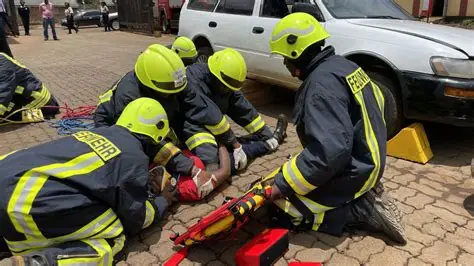
Training Programs – Conduct regular workshops for students, business owners, and households.
Supporting firefighters ensures fire safety reforms Africa leadership are successful.
🔥 Real-Life Lessons from Kenyan Firefighters
Fires in Nairobi informal settlements spread rapidly because houses were too close.
A school in Mombasa avoided disaster because the principal followed firefighters’ advice on evacuation.
In Kisumu, local firefighters taught hostel students how to use extinguishers, reducing damage during a small kitchen fire.
Lesson: When communities listen to firefighters, lives are saved.
🏢 Role of Universities and Workplaces
Conduct fire drills at least twice a year.
Educate students and staff on fire hazards.
Ensure exits are clear and fire equipment is accessible.
Collaborate with local fire stations for awareness programs.
This enhances fire safety awareness Africa Wako and reduces fire risks.
📱 Technology and Fire Prevention
Mobile apps for reporting hazards.
Social media campaigns targeting youth.
Online tutorials on fire safety and first aid.
These tools help firefighters Kenya reach more people efficiently.
🧯 Fire Prevention Checklist for Households
Inspect wiring monthly.
Keep kitchens clean and supervised.
Store flammable materials safely.
Install smoke detectors.
Practice evacuation drills with family members.
🔥 Conclusion
Fire prevention lessons from firefighters in Kenya are vital for saving lives and protecting property. Challenges like lack of funding, equipment, and public awareness limit their effectiveness.
By supporting firefighters, educating communities, enforcing safety regulations, and embracing technology, Kenya and other African countries can build a stronger fire safety culture.
Every citizen, student, business owner, and government official has a role to play. Together, we can reduce fire disasters, save lives, and protect property across Kenya and Africa.
Written By: Fire Chief Wako Abgudo
A fire service leader dedicated to improving fire safety standards in Kenya and beyond. With support from key partners, I have helped align local fire services with global best practices.