
Tanker fires in Africa are one of the most dangerous and destructive accidents affecting communities, businesses, and governments. Every year, hundreds of people lose their lives, thousands are injured, and millions of dollars are destroyed in property damage. These fires are not just accidents—they are preventable disasters. Understanding the causes, learning safety tips, and knowing how to respond can save lives and protect communities.
In this blog, we will explore the main causes of tanker fires in Africa, the deadly consequences, and practical ways to stop them. This guide is written for everyone—from ordinary citizens and drivers to industrial workers, business owners, and government officials.
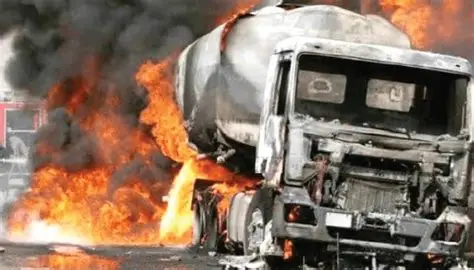
Tanker fires in Africa happen when fuel-carrying trucks, also called tankers, catch fire or explode. These fires usually occur during accidents on highways, in urban areas, or near crowded markets. They are dangerous because tankers carry highly flammable fuels such as petrol, diesel, and kerosene. Even a small spark or collision can trigger a massive fire that spreads quickly.
Fuel tankers are common across Africa because road transport is a primary method for moving fuel. Unfortunately, poor road conditions, old trucks, and unsafe driving practices increase the risk of accidents.
Understanding African tanker fire causes is the first step toward prevention. Some of the most common causes include:
Many tanker drivers overload their trucks to carry more fuel. This puts stress on the vehicle, increases the risk of leaks, and can cause fires if spilled fuel comes in contact with sparks.
Old trucks and poorly maintained engines, brakes, and fuel lines are more likely to fail and cause accidents. Regular inspection is often ignored, increasing the risk of tanker fires in Africa.
Speeding, overtaking dangerously, and ignoring traffic rules are leading causes of road tanker accidents in Africa. Reckless driving makes it difficult to control the tanker and avoid collisions.
Even small fuel leaks can be deadly. Spilled fuel on the road can ignite if it comes in contact with a cigarette, spark, or hot engine part.
Faulty electrical systems, poor wiring, or even static electricity can ignite fuel vapors. Sparks from collisions or grinding metal can also cause explosions.
Hot weather, dry roads, and windy conditions can make fires spread faster. In some regions, long stretches of isolated roads mean help takes time to arrive, increasing the severity of fires.
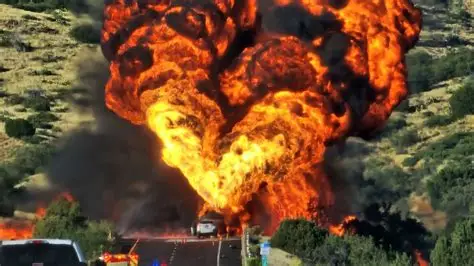
Tanker fires in Africa are not just about vehicles—they affect people, communities, and the economy.
Many accidents result in multiple fatalities. Families lose loved ones, and communities are left traumatized.
Survivors often suffer severe burns, permanent injuries, or disabilities that require long-term medical care.
Tanker fires can destroy homes, shops, and vehicles near the accident site. Markets and communities close to highways are often most at risk.
Millions of dollars are lost due to destroyed fuel, damaged infrastructure, and halted business operations. This makes fuel tanker fire prevention a critical economic issue.
Spilled fuel and fires contaminate soil, rivers, and air. Wildlife and crops can be severely affected, causing long-term consequences for communities.
Preventing tanker fires in Africa requires action at multiple levels—from drivers and companies to government authorities and communities.
Knowing tanker fire emergency response can save lives. Communities near highways should be trained in evacuation, firefighting basics, and first aid. Drivers should have fire extinguishers on board and know how to use them safely.
Educating people about tanker fire risks and safe distances can prevent unnecessary casualties. Awareness campaigns can show the dangers of crowding accident sites or attempting to collect spilled fuel, which is a common cause of mass fatalities.
Governments must regulate the fuel transport industry, enforce vehicle standards, and punish reckless drivers or unsafe operators. Policy enforcement is crucial for fuel transport safety in Africa.
Knowing what to do during a tanker fire or explosion can reduce casualties:
These tanker explosion safety tips are simple but life-saving for both individuals and communities.
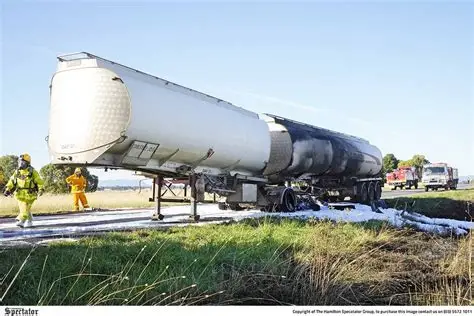
Communities can play a key role in reducing tanker fire risks:
These examples show that African tanker fire causes are often preventable with proper safety measures.
Preventing tanker fires in Africa requires:
By taking these steps, we can drastically reduce the number of deadly tanker accidents across Africa.
Tanker fires in Africa are preventable disasters. Every citizen, driver, company, and government has a role to play in protecting lives, property, and the environment. By understanding fuel tanker fire prevention, following tanker explosion safety tips, and supporting fuel transport safety in Africa, we can stop tragedies before they happen.
Mama Kabale Fire Safety Foundation is committed to educating communities, training drivers, and advocating for safer roads across Africa. Together, we can ensure that tanker fires become a rare event instead of a frequent tragedy.
Remember, awareness, prevention, and preparedness save lives. Share this knowledge, train your community, and be part of Africa’s fire safety revolution.
