
Electrical fires are one of the most dangerous types of fires in Kenya and in many homes around the world. They start quietly, spread fast, and can destroy property within minutes. Many families do not understand how these fires begin or how simple mistakes in the house can lead to big disasters. This explains the Common Electrical Fire Causes in a simple and clear way so that everyone, even young readers, can understand how to protect their homes and loved ones.
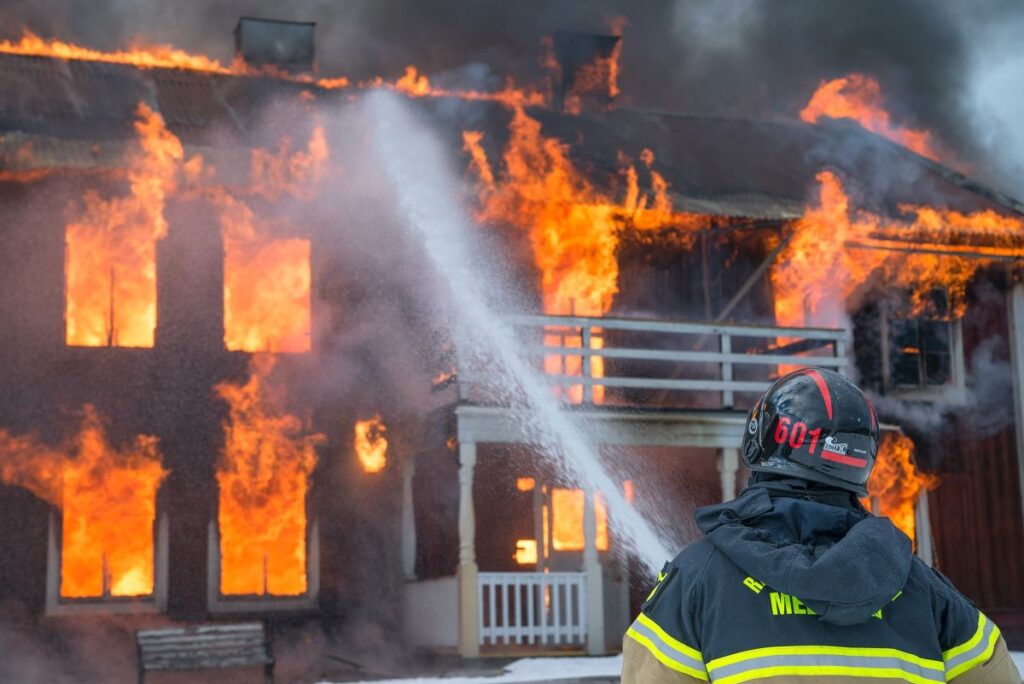
Electrical safety is something every family should care about. Many fires that burn homes, shops, schools, and rental houses come from small electrical problems that people ignore for a long time. By learning these dangers and correcting them early, we can prevent emergencies and save lives.
Many people believe electrical fires only happen in old houses. Others think they only occur when someone misuses appliances. But this is not true. Electrical fires can start anywhere if wires, sockets, and electrical devices are not properly installed, maintained, or used.
Fire departments in Kenya report that a big part of urban fires come from electrical faults. Buildings in cities and rural areas often face the same dangers. Poor wiring, overloaded sockets, old appliances, and careless behavior make homes unsafe. By knowing the Common Electrical Fire Causes, families can make better choices and reduce the risks.
Electrical fires start when electricity escapes its normal path. Instead of flowing safely through wires, it jumps to things around it, such as curtains, walls, wood, clothing, carpets, or furniture. When this happens, these materials start to heat up and eventually catch fire.
Electricity itself is not seen like smoke or fire. It works quietly. That is why many people do not notice danger until flames appear. Understanding how electrical systems work helps us prevent accidents long before they occur.
This section explains the Common Electrical Fire Causes in detail. Each cause is written in simple language with clear examples so readers can see how these dangers show up at home.
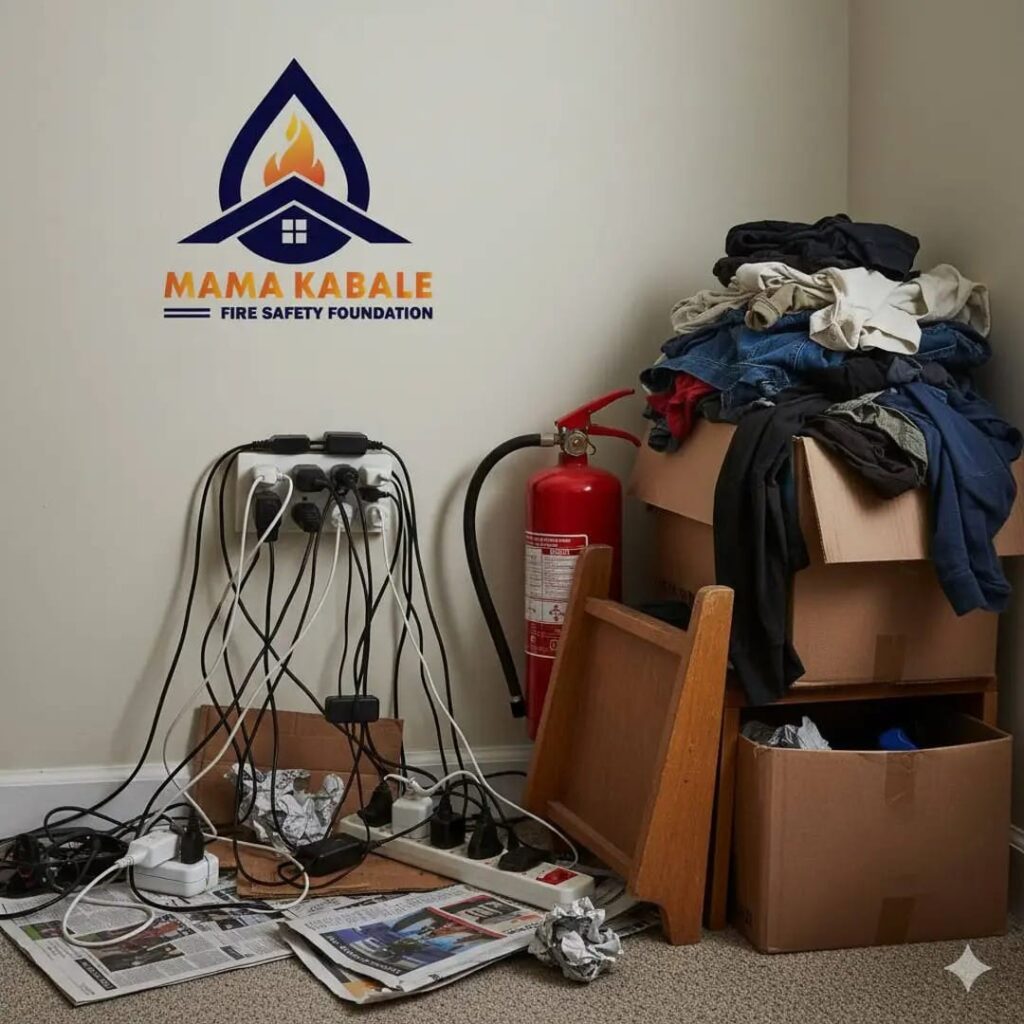
One of the biggest Common Electrical Fire Causes is overloading sockets. Many people plug too many devices into one socket using cheap extension cables. For example:
• plugging a fridge, microwave, kettle, and phone charger into one outlet
• using one extension to power several high-watt appliances
• connecting many extensions together (known as daisy-chaining)
When a socket is overloaded, the wires heat up. After some time, the heat melts the plastic around the wires. This can lead to sparks, which can start a fire.
Many house fires start in the kitchen because the kitchen has many appliances that use a lot of power. Every socket has a limit. When you push it beyond that limit, you create danger.
Wiring does not last forever. Old wires can crack, wear out, or be damaged by rats or insects. When wires are exposed, electricity can jump into walls, carpets, or furniture. This is one of the most common but hidden causes of electrical fires.
Faulty wiring is dangerous because it often works on and off. Sometimes the lights flicker, sometimes they do not. This makes people ignore the problem. But flickering lights, burning smells, or warm sockets are warning signs.
Some buildings in Kenya are more than 30 years old. Yet many of them still use the same old wiring. Old houses, rental flats, and shops should be inspected regularly.
Many homeowners hire unqualified technicians because they are cheaper. But this often leads to unsafe work. Poor installations include:
• loose wires inside sockets
• wrong wire sizes
• bad connections
• unsafe circuit breakers
• wiring done without following safety rules
These mistakes make electricity move incorrectly, causing heat that can lead to fires. A trained electrician knows how to measure load, choose the right wires, and install circuits correctly.
Every appliance has a specific way it should be used. When people do not follow instructions, they expose themselves to danger. Examples include:
• using damaged kettles
• keeping hot irons on beds or clothes
• placing TVs on weak stands where they may fall
• using frayed cables on heaters
• forcing plugs into sockets that do not fit
Some appliances pull a lot of power, such as heaters, microwaves, and washing machines. They should not share sockets with other heavy devices. Misuse is one of the Common Electrical Fire Causes that can be avoided easily.
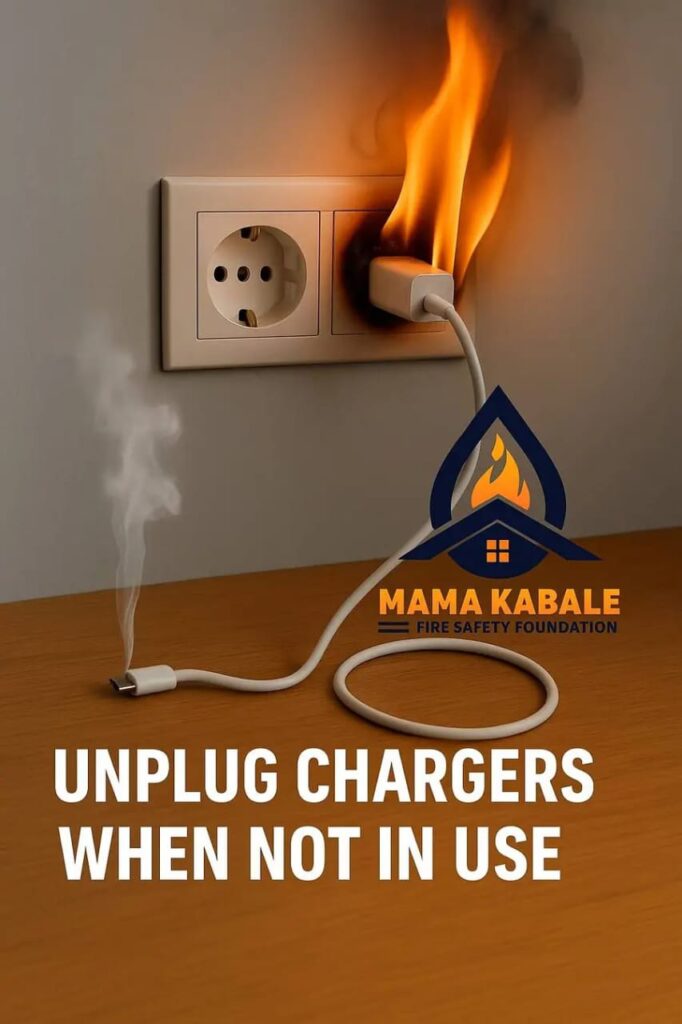
Many families leave appliances plugged in even when they are not being used. This includes:
• phone chargers
• kettles
• heaters
• TVs
• irons
• fridges that are not maintained well
Some chargers, especially cheap ones, continue to heat up even when the device is not charging. This heat can start a fire. Unplugging devices not only saves electricity but also prevents accidents.
Fake electrical products are sold everywhere—markets, street shops, and online stores. These products include:
• counterfeit extension sockets
• fake bulbs
• poor-quality phone chargers
• thin cables
• low-grade irons, heaters, and kettles
Because fake products do not meet safety standards, they heat up quickly, break easily, and may spark during use. They are a major contributor to electrical fires.
If a product is extremely cheap, it is often unsafe.
Cables get damaged when they are:
• stepped on
• pinched under furniture
• cut by rats
• bent too many times
• used outdoors in the rain
A damaged cable exposes wires. When exposed wires touch floors, carpets, or walls, they can start fires. Always throw away damaged cables immediately.
Even the best electrical system needs maintenance. Switches wear out, sockets loosen, and wires weaken. Without inspection, minor problems become major ones.
Regular electrical checks can prevent most of the Common Electrical Fire Causes. Families should schedule inspections at least once every two years, especially in older buildings or places with many appliances.
Before a fire starts, electricity often gives clues. These signs should never be ignored:
• burning smell near sockets
• sparks when plugging something in
• lights flickering
• warm or hot sockets
• buzzing sounds
• frequent tripping of circuit breakers
• discoloration around outlets
If you notice any of these signs, switch off power immediately and call a qualified electrician.
Good habits and simple steps can prevent most electrical fires. Here are ways to stay safe:
High-power appliances should have their own sockets.
Buy extensions with fuses and safety marks.
Old houses must be rewired by a certified electrician.
This reduces heat and saves energy.
Never tape or tie damaged cables.
Curtains, papers, and clothes should be kept away from hot appliances.
Avoid counterfeit products even if they seem affordable.
A trained electrician should inspect your home often.
Electrical fires are different from normal fires. Never use water because it can cause electrocution. Instead:
Knowing the Common Electrical Fire Causes helps reduce these risks, but knowing how to respond saves lives.
Electrical fires are preventable. Understanding the Common Electrical Fire Causes helps every family take action before danger appears. Many fires begin quietly from small mistakes, damaged cables, overloaded sockets, old wiring, or cheap appliances. But with awareness, proper maintenance, and safe habits, homes can remain safe.
Take time today to inspect your house. Look at your sockets, appliances, cables, and extensions. Fix what needs fixing. Replace what is damaged. Teach your family about electrical safety.
Fire safety starts with simple steps. When we prevent small dangers, we protect lives, homes, and future generations.

One Response