
Emergencies can happen anytime and anywhere in Kenya. A small fire can grow in seconds. A road crash can happen without warning. A medical emergency can occur at home, in school or at work. A flood can cover roads and houses during heavy rain. When these moments come, people panic. They run around, they shout for help, and many do not know which number to call first. This is why Kenya Emergency Contacts are important for every Kenyan.
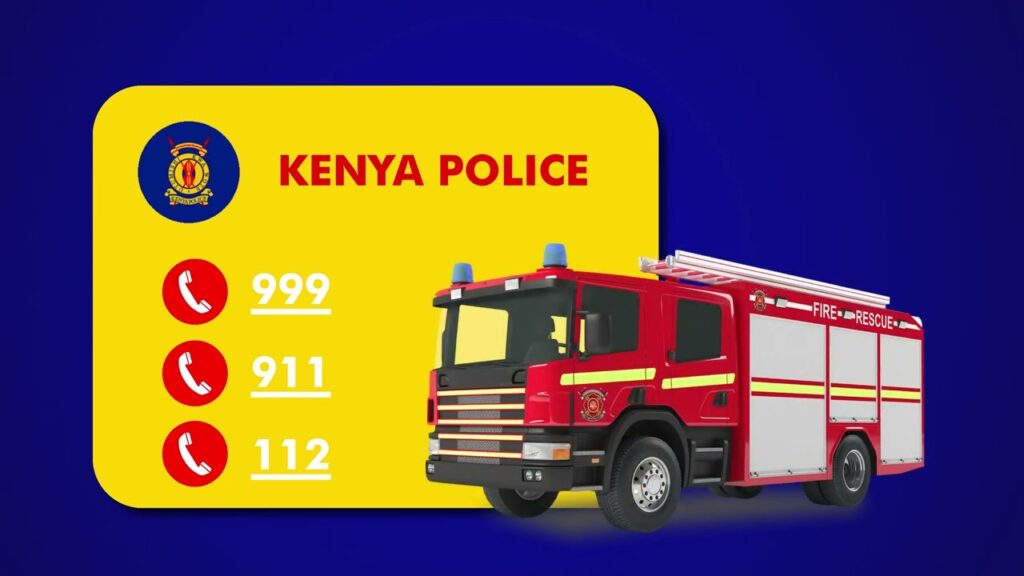
Having emergency numbers saved in your phone is not only a smart choice. It is a step that can save a life. It can protect a family, a school, a church, a mosque, a business, and even a whole community. When people know the right emergency number to call, help arrives faster.
This blog explains why emergency contacts matter, how they work county by county, and how the Mama Kabale Fire Safety Foundation has made it easier for Kenyans to save and access emergency numbers. You will also learn how the books written by Fire Chief Wako help families and institutions keep all Kenya Emergency Contacts in one place.
Many people think emergencies only happen far away. But every day, different counties deal with fires, floods, medical cases and road accidents. The truth is that saving Kenya Emergency Contacts is one of the most important things every Kenyan should do.
Here is why:
Fire Chief Wako teaches an important lesson: the first three minutes of any emergency decide whether a life will be saved or lost. When the right emergency team is called early, rescue becomes faster and better.
Even though we know emergencies can happen, many Kenyans do not save emergency numbers. Some depend only on the police hotline or call friends instead of calling the fire brigade or ambulance directly. Others think they will “remember the number” when the time comes. Some people panic and forget.
Common reasons include:
This is where Fire Chief Wako’s book series becomes helpful. His books contain all Kenya Emergency Contacts, making them a national emergency diary for homes, schools, churches and businesses.
Kenya has 47 counties. Each county has its own fire brigade, ambulance services, disaster desks, police control rooms and sometimes volunteer rescue teams. Understanding Emergency Numbers Kenya County-by-County helps citizens call the right team faster.
Below is a simple explanation of how counties operate.
Nairobi has one of the busiest fire and medical response systems in the country. Emergency lines connect residents to:
Because Nairobi experiences frequent fires, road crashes and medical emergencies, saving Kenya Emergency Contacts is very important. Many emergencies in Nairobi are solved quickly when callers use Kenya Fire and Ambulance Hotlines.
Mombasa has several emergency teams including:
With its large population and busy roads, Mombasa residents should know and save County Emergency Contacts Kenya. Emergencies near the port, industries and residential areas need quick reporting.
Kisumu faces floods, lake accidents and road crashes often. Its emergency teams include:
Because of these risks, residents are encouraged to save Disaster Hotlines in Kenya, especially water rescue contacts.
Nakuru has fire stations in the main town, Naivasha and other sub-counties. They also have police hotlines and ambulance contacts that respond quickly when called in time.
Many people in this county benefit from Kenya Emergency Contacts, especially those living in estates, farms, industries and schools.
Many counties like Kiambu, Machakos, Kajiado, Kericho, Kakamega, Nyeri, Meru, Embu and Uasin Gishu have their own fire brigades and ambulance hotlines. Some counties also have:
These contacts are available in Fire Chief Wako’s emergency books, which show the full list of Emergency Numbers Kenya County-by-County.
Different emergencies in Kenya have taught important lessons:
People act faster when they know exactly who to call.
Firefighters and ambulances arrive sooner when they get the correct information quickly.
A fast phone call can stop a fire from spreading or save a victim from worsening injuries.
Teaching pupils emergency numbers helps build a safer future generation.
Good communication helps leaders plan, act and protect communities.
These lessons show how powerful Kenya Emergency Contacts are in protecting lives.
Fire Chief Wako started the Mama Kabale Fire Safety Foundation to teach Kenyans how to prepare for and respond to emergencies. The foundation trains:
The most important tools created by the foundation are Fire Chief Wako’s fire safety book series. These books are:
Teaches children what to do when clothes catch fire.
Shares the journey of Kenya’s fire system and why emergency contacts matter.
Guides schools, businesses and institutions on safety rules.
Helps young people learn about firefighting and rescue careers.
Teaches families how to escape safely, reduce risk and call the right hotline.
Each of these books contains all Kenya Emergency Contacts, making them more than learning tools. They are emergency diaries that can be kept in homes, cars, schools and workplaces.
Fire Chief Wako believes that saving emergency numbers should be a normal practice for every Kenyan. His books help people who:
The books act as:
This supports the message that saving Kenya Emergency Contacts is a life-saving duty.
Emergency numbers found in the books include:
This full list helps Kenyans understand the wide range of Disaster Hotlines in Kenya and how to use them.
After learning how emergency contacts work, it becomes clear that saving emergency numbers is not a small action. It is a responsibility.
A safe Kenya begins when people take simple steps like:
Emergency numbers save lives. They reduce panic. They prevent losses. They help counties respond faster. They help families feel safer.
Fire Chief Wako’s fire safety books have made this even easier by putting all Emergency Numbers Kenya County-by-County in one place. They break the culture of forgetting and give families a simple tool for protection.
