Free Shipping For Orders Over Ksh.7000

Fire Emergency Survival Blueprint: Fire Safety Guide Africa

Introduction: Why the Fire Emergency Survival Blueprint Can Save Your Life Today

Fire emergency survival blueprint is the most important knowledge every African family must have today. Across Africa, fires are increasing rapidly due to overcrowded housing, electrical faults, and lack of awareness. Therefore, understanding this fire emergency survival blueprint can mean the difference between life and death.

Every year, thousands of families lose loved ones not because help didn’t come, but because they didn’t know what to do in the first 3 minutes. However, this guide gives you real, practical, expert-level survival steps you can apply immediately.

In addition, this article is designed for homes, schools, NGOs, businesses, and communities. Whether you live in informal settlements, apartments, or rural homes, this fire emergency survival blueprint will protect you.
fire emergency survival blueprint

What Is a Fire Emergency Survival Blueprint and Why Africa Needs It

A fire emergency survival blueprint is a clear, step-by-step plan that helps people survive a fire before rescue teams arrive.

In Africa, fire risks are higher because:

  • Many homes lack fire alarms
  • Emergency response times can be delayed
  • Public awareness is still low
  • Electrical connections are often unsafe

As a result, families must become their first line of defense.

Feel the Door Before Opening: A Critical Fire Survival Rule

One of the most important lessons in this fire emergency survival blueprint is knowing how to check a door safely.

Where to Feel the Door

Always use the back of your hand and check:

  • Top of the door (heat rises)
  • Middle section
  • Door handle
  • Edges and cracks

Why This Step Saves Lives

If the door is hot, it means fire is likely on the other side. Therefore, opening it can:

  • Trigger a fire explosion
  • Let in oxygen that feeds flames
  • Cause severe burns instantly

👉 Rule:

  • Hot door = DO NOT OPEN
  • Cool door = Open slowly

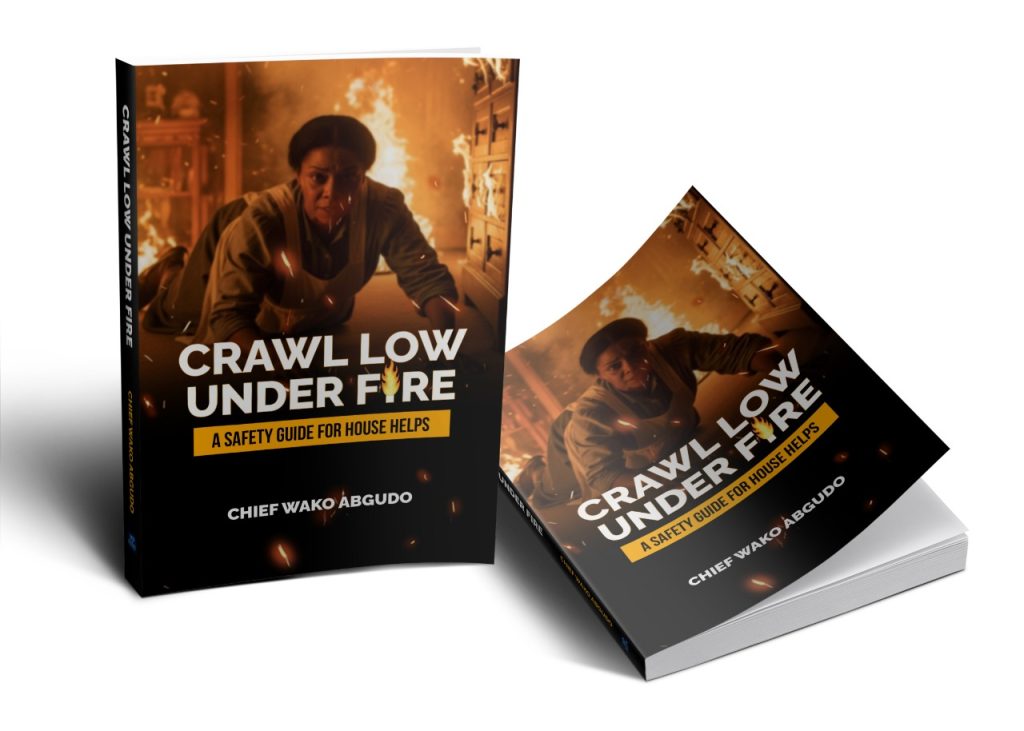
Why Crawling Low Under Smoke Keeps You Alive

Smoke kills faster than flames. In fact, most fire deaths come from inhalation.

How Smoke Behaves

  • Hot smoke rises
  • Toxic gases fill upper spaces
  • Oxygen stays lower

Correct Survival Action

Therefore, always:

  • Crawl on hands and knees
  • Keep your head low
  • Cover your nose with cloth

This simple step in the fire emergency survival blueprint increases survival chances dramatically.

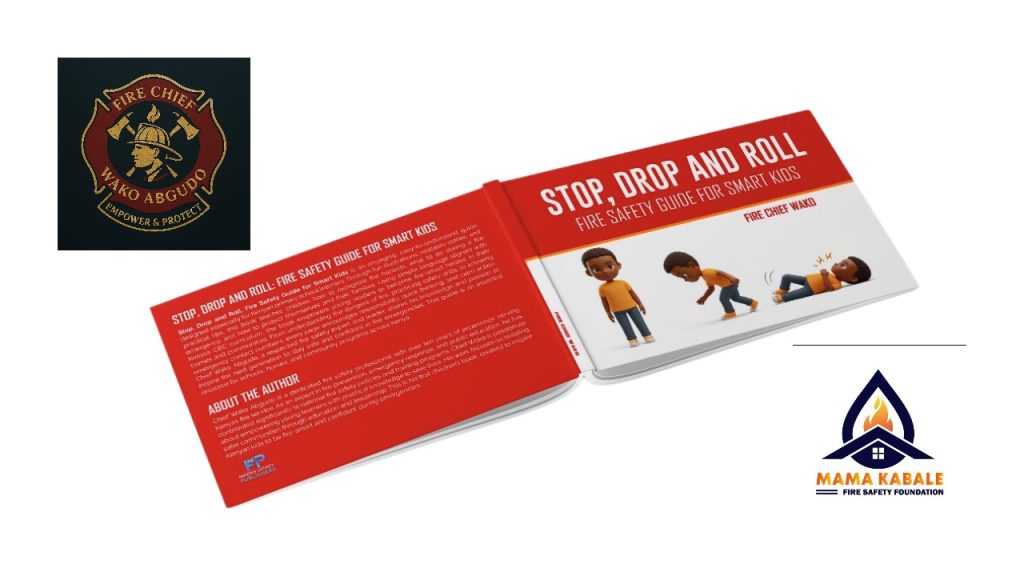
Stop, Drop, and Roll: How to Extinguish Flames on Your Body

When clothes catch fire, panic can be deadly.

Correct Steps

  • STOP immediately
  • DROP to the ground
  • ROLL continuously

Why It Works

Rolling removes oxygen from the flames. As a result, the fire goes out quickly.

Also, protect your face while rolling to avoid inhaling smoke.
fire emergency survival blueprint

Trapped in a Room? How to Stay Alive Until Rescue

Sometimes escape is impossible. However, survival is still possible.

Seal the Door Immediately

Use:

  • Wet towels
  • Clothes
  • Blankets

Block gaps under the door.

Why This Works

This prevents smoke from entering and slows fire spread.

Signal for Help

  • Open window slightly
  • Wave cloth or light
  • Call emergency services

This step is a core part of the fire emergency survival blueprint.

Fire Escape Plan: How to Evacuate Safely

Planning ahead is critical.

Safe Exit Strategy

  • Feel doors before opening
  • Stay low
  • Move quickly but calmly

Important Rules

  • Never use elevators
  • Use stairs only
  • Do not go back for items

Therefore, preparation saves lives.

Fire Safety for Children: Detailed Life-Saving Guidance

Children need clear, simple instructions.

Babies (0–2 Years)

  • Carry securely
  • Wrap in blanket
  • Protect airway

Young Children (3–7 Years)

Teach them:

  • Stay low
  • Follow adults
  • Never hide

Older Children (8–15 Years)

  • Assign roles
  • Teach emergency calls
  • Practice drills

As a result, children become active participants in survival.

How to Evacuate with Elderly People Safely

Elderly individuals require extra care.

Key Challenges

  • Slow movement
  • Breathing problems
  • Panic

Best Techniques

  • Support walking
  • Use two-person carry
  • Move to safe room if needed

However, never delay evacuation searching for belongings.

Kitchen Fire Survival: The Most Common Danger in Africa

Cooking fires are extremely common.

If Oil Catches Fire

  • Do NOT use water
  • Cover with lid
  • Use fire blanket

Why Water Is Dangerous

Water spreads burning oil and causes explosions.

Therefore, always use the correct method.

Electrical Fire Prevention and Response

Electrical fires are silent killers.

Warning Signs

  • Burning smell
  • Sparks
  • Flickering lights

What To Do

  • Turn off power if possible
  • Use dry extinguisher

Never use water.

Night Fire Survival: The Deadliest Situation

Fires at night are more dangerous because people are asleep.

Immediate Actions

  • Wake everyone
  • Check doors
  • Stay low

Prevention Tip

Install smoke alarms in all rooms.

As a result, early warning increases survival chances.

What NOT to Do During a Fire

Avoid these deadly mistakes:

  • Don’t hide
  • Don’t open hot doors
  • Don’t panic
  • Don’t go back inside

These mistakes often cause fatalities.

fire emergency survival blueprint

Advanced Fire Survival Tips Most People Don’t Know

This section of the fire emergency survival blueprint gives expert-level advice.

Close Doors Behind You

This slows fire spread significantly.

Use a Flashlight

Better visibility in smoke.

Stay Together

Families should move as one unit.

Check Windows Carefully

Avoid jumping unless absolutely necessary.

How Communities in Africa Can Prevent Fire Disasters

Fire safety is not just individual—it is community-based.

Key Actions

  • Community fire drills
  • Public awareness campaigns
  • Safe electrical practices

Role of Organizations

Platforms like Mama Kabale Fire Safety Foundation can:

  • Train communities
  • Provide safety education
  • Partner with governments

As a result, large-scale impact becomes possible.

Why This Fire Emergency Survival Blueprint Must Be Shared

This fire emergency survival blueprint is not just information—it is a life-saving tool.

Therefore, you should:

  • Share it with family
  • Teach children
  • Train communities

Because one shared article can save many lives.

Conclusion: Your First 5 Minutes Decide Everything

In a fire, the first few minutes matter most. Firefighters may come, but your actions will determine survival.

This fire emergency survival blueprint gives you:

  • Knowledge
  • Confidence
  • Practical steps

However, knowledge without action is useless.

👉 Practice these steps today.
👉 Teach your family.
👉 Share this guide across Africa.

Because fire does not warn—but preparation saves lives.

Picture of Written By: Fire Chief Wako Abgudo

Written By: Fire Chief Wako Abgudo

A fire service leader dedicated to improving fire safety standards in Kenya and beyond. With support from key partners, I have helped align local fire services with global best practices.

Leave a Reply

Your email address will not be published. Required fields are marked *

Share on;

Facebook
Twitter
LinkedIn
Telegram
WhatsApp