
Fire safety education in Kenya schools is not a luxury. It is a basic need. From crowded classrooms to boarding schools and informal learning centers, Kenyan children face fire risks every day. Yet many of them do not know what to do when fire breaks out. This gap is costing lives, destroying dreams, and harming the future of our nation.
Across Kenya, fires have affected schools in Nairobi, Rift Valley, Coast, Nyanza, Eastern, and Northern regions. Dormitory fires, kitchen fires, electrical fires, and arson cases continue to be reported. After every tragedy, leaders promise action. After some time, silence returns. The real problem remains untouched. The absence of structured fire safety education in our school system.
This blog explains the problem clearly, shows why it matters, and offers real solutions that can work for Kenya and Africa.

Understanding Fire Safety Education in Kenya Schools
Fire safety education in Kenya schools means teaching children how fire starts, how it spreads, and how to respond safely. It includes simple lessons such as stop, drop, and roll, safe exit behavior, alarm response, and fire prevention habits. It also involves drills, trained teachers, and child friendly learning materials.
At the moment, fire safety education in Kenya exists mostly on paper. It is mentioned in policies but rarely practiced. Many students complete primary and secondary school without ever taking part in a real fire drill. Others have drills that are rushed, confusing, or done only after a tragedy.
Fire Safety Education in Kenya and the Current Reality
Fire safety education in Kenya is not delivered in a structured way. Some private schools try, but many public schools struggle. The reasons are simple. Lack of budget, lack of training, lack of teaching materials, and lack of clear enforcement.
Fire safety is often treated as a one day event. A fire officer comes, gives a talk, and leaves. Children forget within days. True learning requires repetition, practice, and age appropriate teaching.
This approach leaves children exposed and unprepared.
Fire Safety in Kenya School System: A Silent Crisis
The fire safety in Kenya school system is weak from early childhood education to higher learning. In many schools:
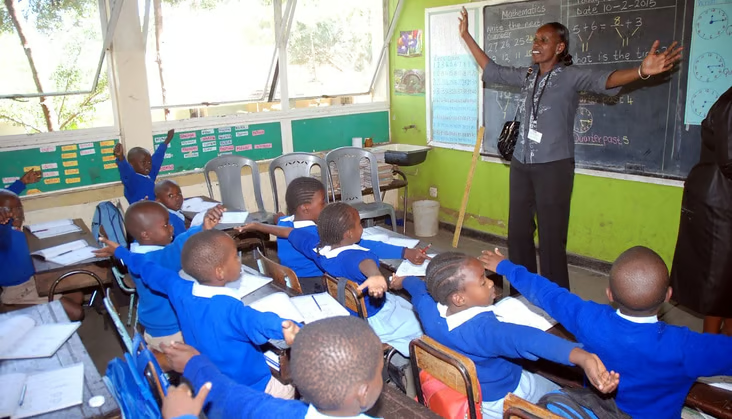
Even worse, many teachers are not trained in fire response. During emergencies, panic spreads faster than fire.
This is not a technical problem. It is an education problem.
Why Fire Safety Education Is Missing in Kenya Schools
One major question people ask is why fire safety education is missing in Kenya schools. The answer lies in priorities.
The education system focuses heavily on exams. Life skills are treated as secondary. Fire safety is seen as optional, not essential. There is also confusion about who is responsible. Is it the Ministry of Education, county governments, school boards, or fire departments?
When responsibility is shared, action is delayed.
Lack of Fire Safety Education in Kenya and Its Cost
The lack of fire safety education in Kenya has real consequences. Children panic during fires. Some hide under beds. Others run back to collect belongings. Some jump from buildings. These actions are deadly but preventable.
Fire safety education saves lives. Countries that teach children early record fewer deaths and injuries. Kenya can do the same.
Importance of Fire Safety Education in Kenyan Schools
The importance of fire safety education in Kenyan schools cannot be overstated. Children are fast learners. When taught well, they become safety ambassadors in their homes and communities.
Benefits include:
Teaching fire safety is cheaper than rebuilding burned schools or burying young lives.
School Fire Safety in Kenya Needs a New Approach
School fire safety in Kenya must move from reaction to prevention. Schools should not wait for tragedy to act. Fire safety should be planned, practiced, and reviewed regularly.
This includes clear evacuation plans, visible signage, and regular drills. More importantly, children should understand why they are doing these drills.
Fire Safety Training in Schools Kenya Must Be Practical
Fire safety training in schools Kenya often focuses on theory. Children are told what fire is, but not how to react. Training must be practical.
Children should learn:
Training should match the age of learners. What works for teenagers will not work for preschoolers.
Fire Prevention Education in Kenya Starts with Simple Habits
Fire prevention education in Kenya is about daily behavior. Children should learn to avoid playing with matches, overloading sockets, or lighting fires indoors.
Simple lessons taught early can prevent many fires. Prevention is always better than response.
Child Fire Safety Education Kenya and the Role of Books
Child fire safety education Kenya needs tools that children understand. Books with stories, pictures, and simple language are powerful. This is where Kenya’s first fire safety book, Stop, Drop and Roll by Fire Chief Wako Abgudo, plays a critical role.
The book explains fire safety in a way children remember. It turns fear into knowledge and panic into action.
Fire Safety Curriculum in Kenya Should Be Standard
A strong fire safety curriculum in Kenya should exist across all schools. It should not depend on location, school type, or income level.
The curriculum should include:
This curriculum should be reviewed and updated regularly.
Fire Preparedness in Kenyan Schools Saves Lives
Fire preparedness in Kenyan schools means being ready before fire starts. Prepared schools respond faster and safer.
Preparedness includes trained staff, informed students, working equipment, and practiced plans. Preparedness should be part of school culture.
Fire Safety Awareness for Students in Kenya Is Low
Fire safety awareness for students in Kenya remains low, especially in rural and informal areas. Many children believe fires only happen in cities or big buildings. This belief is dangerous.
Awareness campaigns must reach every corner of the country. Schools are the best place to start.
How to Teach Fire Safety in Kenyan Schools Effectively
Many ask how to teach fire safety in Kenyan schools. The answer is simple.
Teaching should be continuous, not occasional.
Fire Safety Education in Kenyan Schools and National Leadership
Fire safety education in Kenyan schools reflects national priorities. When leaders invest in child safety, they invest in the future. Fire safety should be part of national education goals.
Kenya has the knowledge. Kenya has the professionals. What is needed is commitment.
Fire Safety Education in Kenya Schools and Community Impact
When fire safety education in Kenya schools improves, communities benefit. Children teach parents. Parents change habits. Communities become safer.
This ripple effect is powerful and long lasting.
Fire Safety Education in Kenya Schools and Africa’s Future
Fire safety education in Kenya schools can set an example for Africa. Kenya can lead by showing that child safety matters.
African countries face similar challenges. A successful model in Kenya can be shared across the continent.
Why Every Kenyan Should Support Fire Safety Education in Kenya Schools
Supporting fire safety education in Kenya schools is a duty for parents, teachers, leaders, and businesses. Fire does not discriminate. Education protects everyone.
Buying and sharing fire safety learning materials is one way to support this cause.
Stop, Drop and Roll: A Book Every Kenyan Must Own
The solution begins with education. Stop, Drop and Roll by Fire Chief Wako Abgudo is Kenya’s first fire safety book designed for children and families. It fills the gap left by the system.
Every Kenyan home, school, and library should have this book. It is not just a book. It is a life saving tool.
Final Call to Action
Kenya cannot afford to ignore fire safety education any longer. Children deserve protection. Schools deserve preparedness. Communities deserve safety.
Support fire safety education today. Read. Learn. Teach. Act.
Buy Stop, Drop and Roll by Fire Chief Wako Abgudo and join the mission of Mama Kabale Fire Safety Foundation to make Kenya and Africa fire safe.
Lives depend on it.
