
Fire safety in African schools is broken in most countries. Children sit every day inside buildings that can burn in less than five minutes. Because of cheap wires, overcrowded rooms, gas cylinders, and blocked exits, many schools have become death traps. Even one spark is enough to trap hundreds of pupils with no way out.
However, this is not bad luck. Instead, it is a system failure.
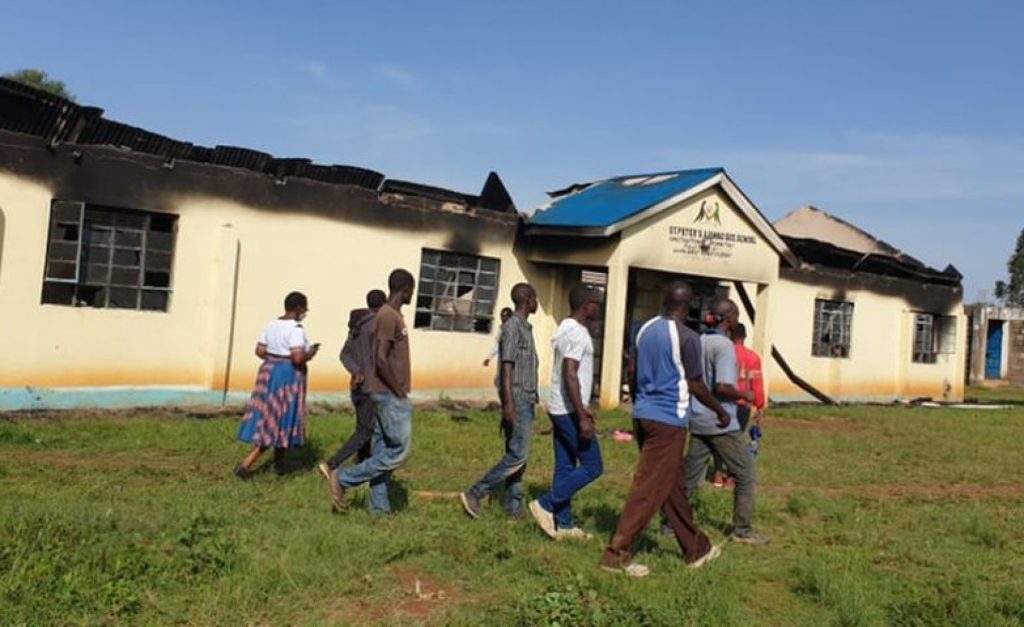
Across Lagos, Nairobi, Accra, and Johannesburg, the same pattern keeps repeating. First, a short circuit starts a fire. Then smoke fills the corridors. After that, children panic. Meanwhile, doors are locked and windows have metal grills. Because teachers do not know what to do, people end up dying.
This is the African school safety crisis.
Why African Schools Keep Catching Fire
To understand fire safety in African schools, we must first understand how fires really start.
Most African schools depend on:
When electricity flows through damaged wires, it jumps across gaps. This jump is called an arc. An electrical arc is hotter than a cooking flame. In fact, it can reach over 1,000 degrees. Because of this heat, plastic melts and fires start behind walls where no one can see.
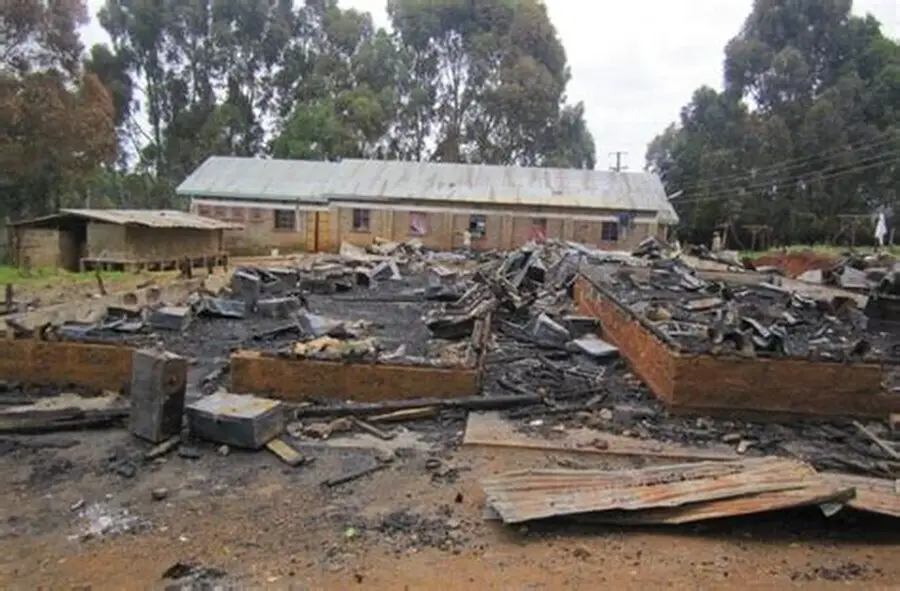
As a result, electrical fire hazards in schools are very deadly.
Now add:
Therefore, you now have all the fuel a fire needs.
This is why why African schools catch fire is not a mystery. Instead, it is physics.
Unsafe Buildings Turn Classrooms into Fire Traps
Many schools are built using:
These are unsafe school buildings Africa is full of. As a result, they burn faster than concrete.
At the same time, most schools also have:
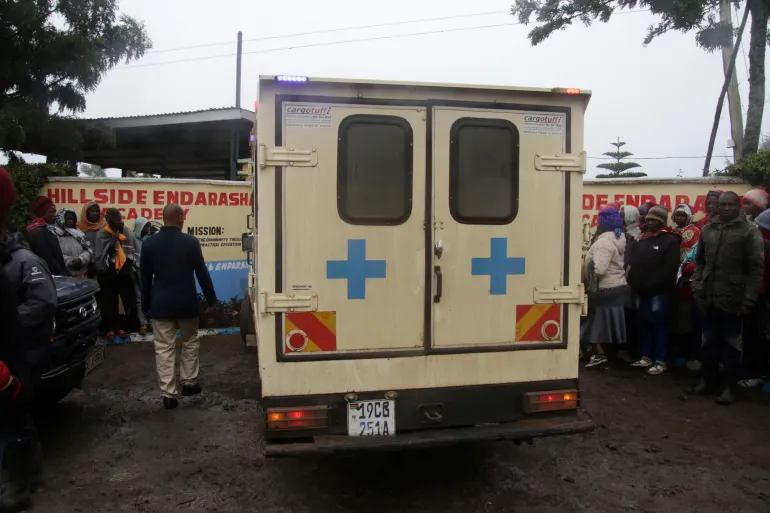
Because of this, they create blocked school fire exits. When smoke fills the room, children cannot escape.
When you also add overcrowded classrooms fire risk, where 60 pupils are in one room, you now have a deadly trap.
That is why people now search for why African schools are fire traps.
The Real African School Fire Risks
The biggest African school fire risks are not big disasters. Instead, they are daily habits.
In many schools:
Because of these habits, fire hazards in schools Africa grow quietly until it is too late.
Head Teachers Are the Last Line of Defense
Most fires could be stopped if head teachers did their job.
Head teachers fire safety responsibilities include:
However, many do none of this. Because of that, school fire safety management Africa stays weak.
What Head Teachers Must Do Now
If fire safety in African schools is going to improve, every head teacher must act.
Step 1: Do a Fire Risk Check
A fire risk assessment in schools Africa does not need an engineer. Instead, it needs eyes.
Check:
Even fixing one of these can save lives.
Step 2: Control Electricity
Most school fire safety Africa failures start with power.
Therefore, do this:
This reduces electrical fire hazards in schools.
Step 3: Move Cooking Away from Classrooms
Many schools cook near learning areas. However, this breaks every rule of school fire prevention Africa.
All cooking must be:
This stops gas and charcoal fires.
Step 4: Clear All Exits
Blocked doors kill children.
Every school evacuation procedures Africa plan must have:
This is cheap, but it saves lives.
Step 5: Train Teachers and Pupils
Most teachers panic during fires. Because of that, school fire safety training for teachers is very important.
It must include:
Also, run fire drills in African schools every term.
Why This Is a National Emergency
The African school safety crisis is not only about fires. Instead, it is about broken systems.
When schools ignore risk, children die. Therefore, fire safety in African schools must become law, not advice.
How Parents Can Protect Their Children
Parents should ask schools:
Because of these questions, schools are forced to improve school emergency preparedness Africa.
The Truth About How Fire Spreads
Fire moves by:
Hot gases rise and push fire across ceilings. At the same time, plastic melts and spreads flames. Most importantly, smoke kills faster than fire.
So, in closed classrooms with flammable materials in classrooms, death can come in minutes.
A Simple Fire Safety Checklist
Every school should have a fire safety checklist for African schools:
This is basic school fire safety Africa.
Google Snippet Summary
Fire safety in African schools is weak because of unsafe wiring, blocked exits, and poor planning. Most African school fires start from electricity, gas, and overcrowded buildings. Head teachers must fix wiring, clear exits, and train staff to stop children from dying in fires.
