
Fire safety tips by fire chief Wako, Africas Fire expert, international certified. Fire accidents are one of the most devastating emergencies that can strike any home without warning. Across many African households, fires often start from everyday activities—cooking, electrical faults, or even unattended candles. As a mother, you are the first line of defense when it comes to protecting your children and home.
That’s why understanding Fire Safety Tips is not optional—it is essential.
Many families assume that fires only happen in factories or large buildings. However, the truth is that most fires begin right inside the home. Therefore, adopting simple but powerful fire prevention habits can save lives, reduce injuries, and protect everything you’ve worked hard to build.
In this guide, you will learn practical, easy-to-follow fire safety tips tailored specifically for African homes. These tips focus on real-life situations faced by mothers every day.

Cooking is the leading cause of household fires in many African homes. Whether using gas, charcoal, kerosene, or firewood, the kitchen is a high-risk area.
Oil can overheat quickly and ignite within seconds. A small distraction—like answering a phone call—can turn into a major fire emergency.
Many African households rely on LPG gas and kerosene for cooking. While these are efficient, they can be extremely dangerous if mishandled.
If you notice any of these, act immediately.
Children are naturally curious. A simple matchstick can quickly turn into a dangerous fire.
Many home fires start when children play with fire out of curiosity.
In case of a fire, panic can cost lives. Every family needs a clear escape plan.
Get out, stay out, and call for help.
Do not waste time trying to save belongings.
Smoke detectors are lifesavers. They provide early warning before fire spreads.
Smoke spreads faster than fire. Early detection gives your family time to escape.
Electrical faults are a major cause of fires in African homes, especially where wiring may be outdated.
Using cheap extension cords for multiple appliances increases fire risk.
Items like fuel, cleaning chemicals, and cooking oil can easily ignite.
A crowded room is fuel for fire.
Every home should have basic fire-fighting tools.
Learn the PASS method for extinguishers:
Even simple tools like sand can stop small fires quickly.
In many African homes, candles are used during power outages.
A candle falling over can ignite a fire within seconds.
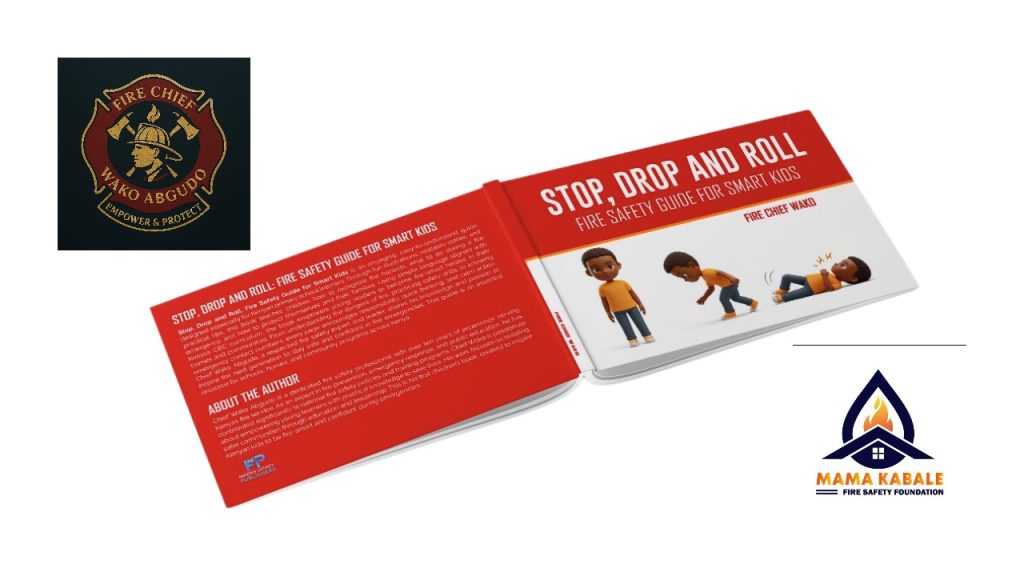
Education is the strongest defense against fire.
A trained child can save not just themselves—but the entire family.
Fire prevention is about reducing risks before a fire starts. African homes face unique challenges such as:
Awareness + Preparedness = Safety
The kitchen is the heart of the home—but also the most dangerous place for fire.
If oil catches fire, never use water. Instead:
Knowing what to do can save lives.
Stop, Drop, and Roll
This simple action can prevent severe burns.
Fire safety is not just about reacting—it’s about building a safer environment.
Understanding risks helps prevent them.
Each of these can be controlled with the right habits.

As a mother, your role goes beyond caregiving—you are the protector of your home.
Fire does not give warnings. It spreads fast, destroys quickly, and leaves lasting damage.
But the good news is this:
Most fires are preventable.
By applying these Fire Safety Tips, you significantly reduce the risk and create a safer environment for your family.
Fire safety is not complicated. It is about daily habits, awareness, and preparation.
Let’s recap the key message:
Every African mother has the power to prevent fire disasters at home.
Start today. Act now. Protect your family.
