
Fire is a good servant but a bad master. It helps us cook, light our homes, and keep warm. But when not handled with care, it can destroy everything in seconds. Many fires in Kenya start from small mistakes at home — a candle left burning, a gas leak, or a phone left charging too long. Learning and following the right Fire Safety Tips can help protect your family, your home, and your future.
At Mama Kabale Fire Safety Foundation, we believe that every home can stay safe if people learn and follow the right Fire Safety Tips. This guide shares the top 10 things every Kenyan family should know and do to protect lives and property.
Most home fires in Kenya start in the kitchen. Gas cookers, stoves, and open flames can easily cause accidents if not watched.
What to do:
Fire Safety Tip: Never use a match to check for a gas leak.
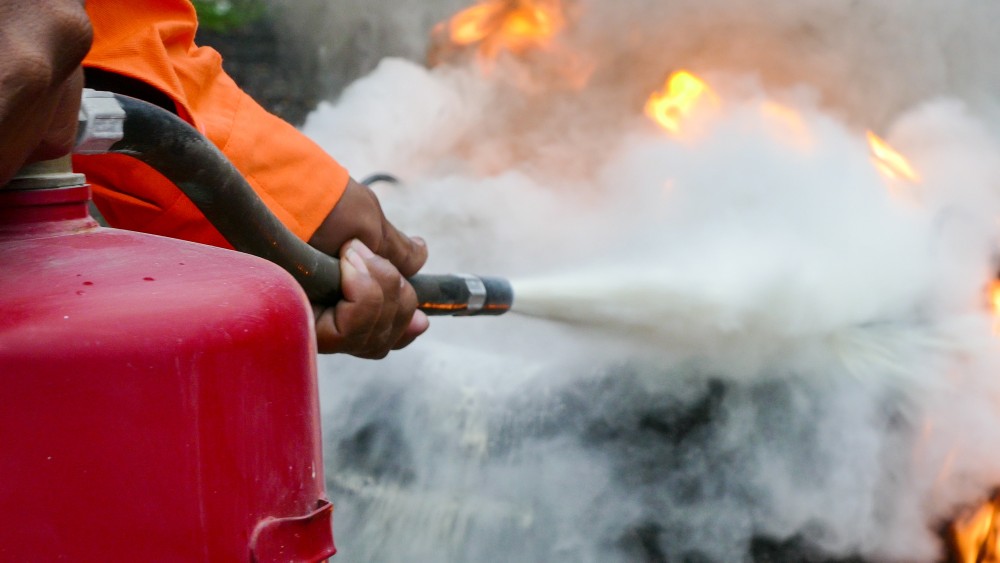
Every home in Kenya should have at least one working fire extinguisher and a fire blanket. These two items can stop a small fire before it becomes big.
What to do:
Having fire equipment gives your family confidence and peace of mind.
Fire Safety Tip: Train everyone in your home on how to use fire equipment — even children should know the basics.
Faulty wiring and overloading sockets cause many house fires in Kenya. Simple care can prevent disaster.
What to do:
Fire Safety Tip: If a fire starts from electricity, never pour water on it. Turn off the main power and use a dry powder extinguisher.
In many Kenyan homes, power cuts are common, and people use candles, lamps, or charcoal jikos for light and warmth. These can easily start a fire.
What to do:
Fire Safety Tip: Use battery-powered lamps or rechargeable torches instead of candles whenever possible.
Many people panic during a fire because they do not know what to do. Practicing helps everyone act quickly and safely.
What to do:
Fire Safety Tip: Stay low if there is smoke — clean air is closer to the floor.
Some common household items can start or spread fires easily — such as petrol, cooking oil, paint, and gas.
What to do:
Fire Safety Tip: Never refill lamps or stoves while they are still hot or burning.
Appliances like irons, kettles, TVs, and fridges can overheat and cause fires. Simple checks make a big difference.
What to do:
Fire Safety Tip: If an appliance smells like burning plastic, turn it off and unplug it immediately.
A good fire plan can save lives. Everyone in the house should know where to go and what to do.
What to do:
Fire Safety Tip: Practice your plan during the day and at night to be ready at all times.
Smoke detectors warn you before the fire gets big. They are small, cheap, and very useful.
What to do:
Fire Safety Tip: A working smoke detector can double your chances of survival during a home fire.
During a fire, staying calm can save your life. Panic makes it hard to think clearly.
What to do:
Fire Safety Tip: Fires spread fast — seconds matter. Act quickly but stay calm.
Every year, many Kenyan families lose property and loved ones to fires that could have been prevented. Fires in markets, schools, and homes are common, but with the right Fire Safety Tips, they can be reduced or stopped completely.
Fire safety is not just about equipment — it’s about awareness, discipline, and readiness. Teaching your family to act safely and calmly during an emergency can make all the difference.
At Mama Kabale Fire Safety Foundation, we teach fire safety in schools, homes, and workplaces. We train people on how to use extinguishers, how to evacuate safely, and how to prevent fires before they start. We also do fire audits and sell trusted fire equipment to help communities stay protected.
Fire prevention begins with knowledge. These Fire Safety Tips may look simple, but they can save lives if practiced every day. Remember, fire safety is everyone’s responsibility — from parents to children, workers to employers.
