
House fire safety in Africa is a life-and-death issue that many families still ignore.
At 2:00 a.m., a family in Nairobi’s Mathare settlement woke up to flames. A kerosene lamp had fallen during the night. Within minutes, fire spread across the small room built from wood and iron sheets.
The mother escaped through a window. Meanwhile, the father rushed two children outside. Sadly, their seven-year-old daughter did not survive.
This tragedy was not caused by unstoppable fire. Instead, it happened because the family lacked basic fire safety knowledge.
Across Africa, similar stories happen every day. As a result, homes, schools, and businesses are lost in minutes. Yet most of these fires can be prevented.
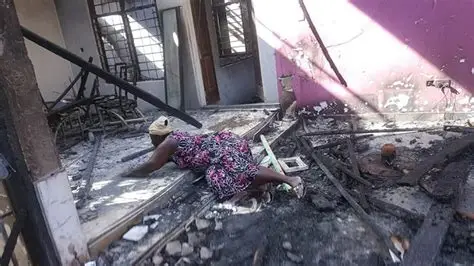
Across many African communities, fire outbreaks are common and dangerous. In most cases, houses are built close together using materials that burn quickly.
Because of this, even a small flame can spread fast. In addition, many families rely on open flames for cooking and lighting.
At the same time, emergency response is often slow. Fire stations may be far away, and access roads are limited. Therefore, once a fire starts, it becomes difficult to control.
For this reason, prevention is the strongest solution.
Understanding the causes helps reduce risk and improve safety.
First, cooking remains the leading cause of fires. Many households use charcoal, gas, or firewood.
When food is left unattended, flames can quickly get out of control.
Another major cause is faulty wiring. In many areas, illegal connections and overloaded sockets are common.
As a result, hidden fires can start inside walls.
Gas leaks are also dangerous. If a leak meets a spark, an explosion can occur.
Therefore, careful handling is essential.
In places without electricity, candles and kerosene lamps are widely used.
However, when placed near flammable materials, they can easily start fires.
Flammable items like fuel and paper increase fire risk when stored carelessly.
Finally, everyday behavior plays a big role. For example, children playing with matches or adults leaving stoves on can lead to disaster.
Fire safety is not just about property. It protects lives and futures.
To begin with, children and elderly people are most at risk. They often cannot escape quickly.
In addition, burn injuries cause long-term pain and suffering.
Moreover, families lose homes and belongings in minutes. This leads to financial struggles.
Beyond that, entire communities can be affected when fires spread.
Clearly, prevention is critical.
Simple actions can make a big difference.
Always stay in the kitchen while cooking. If you must leave, turn off the stove.
Also, keep matches and lighters out of children’s reach.
At night, close bedroom doors to slow down fire spread.
In addition, create a family escape plan and practice it often.
If possible, install a smoke alarm.
Schools should teach fire safety regularly. Furthermore, fire drills must be done often.
Exit routes should always remain clear. Teachers also need basic emergency training.
Every business should have fire extinguishers. In addition, staff must know how to use them.
Electrical systems should be checked regularly.
Clear exit signs are also important.
Communities can organize awareness campaigns. For example, local meetings can teach fire safety.
Sharing knowledge helps everyone stay safe.

Governments have a strong responsibility to protect citizens.
They must enforce fire safety laws. At the same time, they should invest in public education.
Including fire safety in school programs is also important.
Without action, risks will continue to grow.
Non-government groups play a key role in saving lives.
They can fund training programs and awareness campaigns. In fact, these programs are low-cost but highly effective.
Therefore, more support is needed in this area.
Businesses must take fire safety seriously.
Safe buildings protect workers and customers. In addition, prevention reduces financial losses.
Training staff is a smart investment.
Young people can drive change quickly.
They can share safety knowledge at home and in school. Moreover, they can lead awareness campaigns.
Their voice is powerful.
Africa needs practical and affordable solutions.
For example, sand buckets can help stop small fires. Keeping water nearby also helps.
Clear escape paths should always be available.
Teaching in local languages makes information easier to understand.
Radio, schools, and churches can spread messages widely.
Improved stove designs can reduce fire risk. Better housing materials can also help.
Training community leaders creates long-term impact.
Children should learn fire safety early.
The Mama Kabale Fire Safety Foundation is working to improve fire safety across Africa.
It provides training, education, and awareness programs.
In addition, it works with schools, families, and organizations.
Its mission is simple: save lives through knowledge.
Global organizations support fire prevention efforts.
These include the World Health Organization (WHO) and the National Fire Protection Association (NFPA).
They agree that most fires can be prevented through education.

Fires continue to take lives across Africa. However, many of these deaths can be prevented.
Every family should take simple steps today.
Create a fire escape plan. Teach children what to do. Share this information with others.
Do not wait for a tragedy to happen.
Fire spreads fast, but prevention is simple.
Take action now. Save a life.
