
Understanding how the fire brigade works in Kenya is important for everyone. Most people see fire engines rushing with sirens, but few know what happens from the first emergency call to the final rescue. This guide explains the full process, showing how firefighters prepare, respond, and save lives. By the end, you will understand the journey from the emergency call to putting out the fire and rescuing people safely.
The fire brigade in Kenya is more than fire engines and water. It is a full system with call centers, dispatch teams, drivers, equipment officers, and trained firefighters. Firefighters work in county fire departments, private fire companies, industrial units, Red Cross teams, and airport rescue teams. They all work together during major emergencies. Understanding the process helps citizens appreciate the planning, training, and teamwork involved.
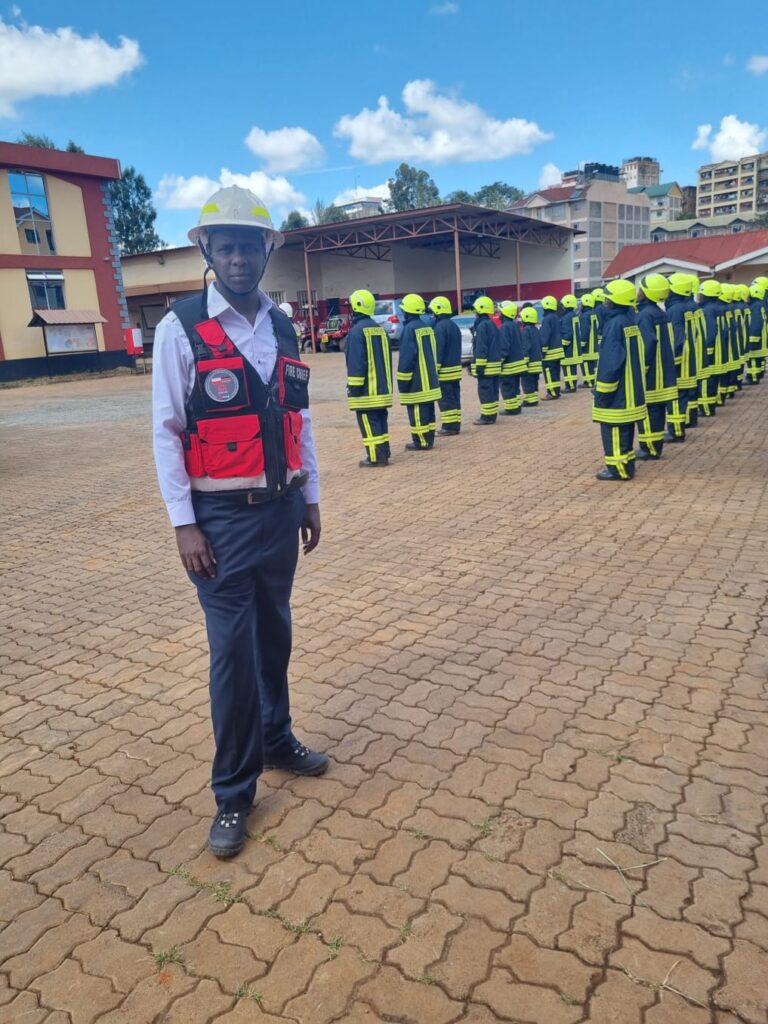
The first step is when someone calls an emergency number, such as 999, 112, or the local fire station number. Trained call handlers gather key details:
This information is sent instantly to the nearest fire station, allowing the team to respond as fast as possible.
Once the station receives the alert, the Station Officer decides how many fire trucks and firefighters are needed. Small fires may need one truck, while petrol station fires or CBD fires may require multiple trucks and water tankers. Firefighters quickly put on protective gear including helmets, jackets, boots, gloves, and breathing apparatus. The driver starts the engine, sirens blare, and the fire engine moves toward the scene carefully but quickly.
Firefighters face challenges while traveling, like traffic and uncooperative drivers. During the journey, teams plan how to access the fire, locate water sources, check for trapped people, and stay safe. Effective communication in the truck is key for a fast and safe response.
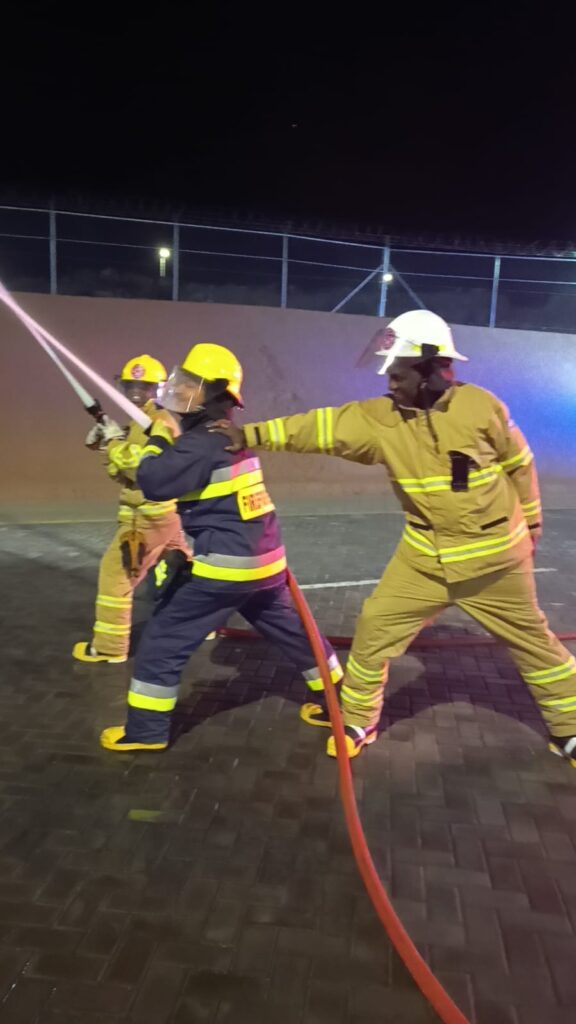
Upon arrival, the Station Officer assesses the scene:
Teams are then divided:
Teamwork ensures safety and efficiency.
Firefighters choose the correct method depending on the fire type:
They also protect themselves from collapsing structures, smoke, and explosions using safety gear.
Rescue often becomes the main task. Firefighters:
Every second counts, so calm and training are critical.
Water comes from public hydrants, water tankers, rivers, or estate tanks. Communities must protect hydrants to help firefighters respond faster. Dry or blocked hydrants can make fires worse.
A fire is only under control when flames stop, smoke clears, heat is low, and hidden fire pockets are gone. Firefighters spend hours checking walls, ceilings, and furniture to prevent re-ignition.
After the fire, investigators determine the cause, such as faulty wiring, gas leaks, or arson. Firefighters also advise families on safety and prevention, helping avoid future incidents.
The fire brigade also teaches schools, factories, markets, and homes about:
Prevention reduces emergencies and saves lives.
Now you understand how the fire brigade works in Kenya from the emergency call to final rescue. Firefighting involves planning, teamwork, skill, and bravery. Citizens should respect firefighters, protect hydrants, and learn basic fire safety. Fire safety is everyone’s responsibility—together with the brigade, we can keep communities safe.

3 Responses
Very informative
Kindly send me a PDF of a template of signs& markings of fire fittings in a building plan
The try topics are good.
Let’s go to the real situation on the ground and address it.
Thanks for sharing this info