
LPG compliance Kenya is the most critical requirement for anyone operating a gas retail shop or LPG distribution business today. Across Kenya, LPG use is rising rapidly because it is clean and efficient. However, this growth has also increased fire risks, explosions, and illegal practices.
Therefore, understanding LPG compliance Kenya is not just about following regulations—it is about protecting lives, securing your business, and building trust with customers and regulators.
In many cases, traders lose everything due to small mistakes. For example, illegal refilling or poor storage can cause deadly explosions within seconds. As a result, this guide provides a complete, expert-level breakdown of everything you must know.
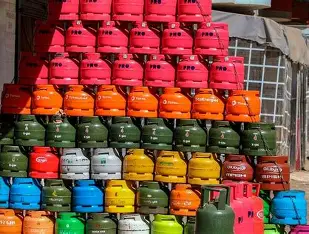
LPG compliance refers to the full set of legal, operational, and safety requirements governing LPG businesses.
These rules are enforced by:
In addition, the Petroleum (Liquefied Petroleum Gas) Regulations clearly define how LPG must be handled at every stage.
Failure to comply can result in:
Therefore, compliance is your first line of defense.
Operating legally starts with proper licensing.
To meet LPG compliance Kenya, you must:
In addition, you must demonstrate that your premises meet safety standards.
Besides EPRA approval, traders must obtain:
Without these permits, your business can be shut down immediately. Therefore, always ensure your documents are up to date.
Many traders fail at this stage due to lack of awareness.
You must:
This ensures traceability and prevents illegal supply chains.
Under LPG compliance Kenya, retailers must:
Additionally, tampering with cylinders or underfilling gas is strictly prohibited.
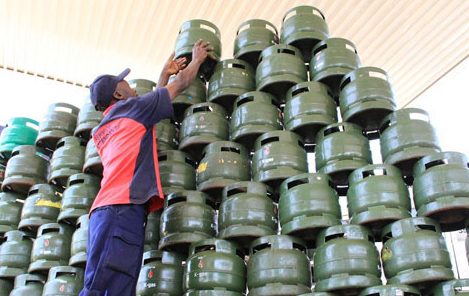
Improper storage is one of the leading causes of fire disasters.
To comply, you must:
Also, avoid overcrowding storage areas.
Every LPG shop must have:
In addition, clear signage such as “No Smoking” must be displayed.
Transporting LPG is highly regulated because of the risks involved.
Transport vehicles must:
Drivers must:
Furthermore, transport documentation must always be available.
Fire safety is at the heart of LPG compliance Kenya.
You must install:
You should also:
As a result, your response time during emergencies improves.
Regular inspections ensure continued compliance.
Authorities will inspect:
You must renew your fire certificate annually. Without it, your business is considered illegal.
Non-compliance is extremely costly.
In serious cases, imprisonment may occur.
Beyond compliance, these expert tips can save lives.
Check for leaks, rust, or damage.
Avoid overcrowding inside your shop.
These devices provide early warning and prevent disasters.
Ensure all wiring is safe and certified.
Avoid these critical mistakes:
As a result, these errors increase the risk of accidents.
Follow these steps:

LPG is highly flammable. Therefore, even a small mistake can cause:
However, proper compliance significantly reduces these risks.
Mama Kabale Fire Safety Foundation supports:
Therefore, it plays a key role in improving safety across Africa.
LPG compliance Kenya is not optional—it is essential for survival and success.
By following this guide, you will:
However, knowledge alone is not enough.
👉 Take action today
👉 Train your team
👉 Audit your business
Because in LPG operations, one mistake can destroy everything.
