
Introduction: Why Preventing Electrical Fires in Africa Is Urgent
Electrical fires are becoming more common across Africa. Every year, thousands of homes, schools, shops, and offices are damaged or destroyed by fires caused by electricity. In many cases, people lose their lives, while others are left injured or homeless. Because of this growing danger, preventing electrical fires in Africa must be taken seriously by families, institutions, and communities.
Often, these fires begin silently. For example, a small spark from a loose wire may slowly burn inside a wall or ceiling. At first, no one notices. However, once flames appear, the fire spreads very fast. As a result, escape becomes difficult, especially at night or in crowded buildings.
The good news is that most electrical fires can be avoided. With proper knowledge, safe habits, and simple equipment, people can reduce the risk greatly. This article explains practical ways to stay safe and protect lives and property across Africa.
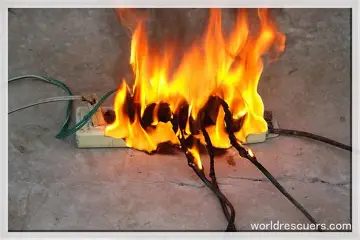
Electrical fires happen when electricity creates too much heat or sparks. This heat can ignite nearby materials such as curtains, furniture, paper, or wooden structures. In many African buildings, especially older ones, wiring systems are weak or outdated. Therefore, they cannot handle modern electrical demands.
In addition, poor-quality appliances and unsafe connections increase the danger. When these problems combine, the risk of fire becomes very high. Understanding how these fires start is the first step toward prevention.
Electrical fires are not accidents. They usually happen because of clear and repeated problems. Across Africa, several factors make the situation worse.
First, many buildings use old or damaged wiring. Over time, wires wear out, crack, or become exposed. Second, electricity supply may be unstable, causing power surges that damage appliances. Third, cheap or fake electrical products flood the market. These items often lack safety standards.
Moreover, many people are not trained in electrical safety. As a result, unsafe repairs and illegal connections are common. Together, these issues make preventing electrical fires in Africa a major safety challenge.
Electrical fires usually start from everyday mistakes or unsafe conditions, such as:
Although these problems seem small, they can quickly lead to serious fires if ignored.
Homes are where many electrical fires occur. This is because people use many appliances daily, often without thinking about safety. Therefore, families must take simple but important steps.
First, sockets should never be overloaded. Plugging many devices into one outlet causes overheating. Second, appliances should be switched off when not in use. This reduces heat buildup and saves energy. Third, damaged cords must be replaced immediately.
In addition, candles, matches, and flammable items should be kept away from electrical equipment. By following these habits, families greatly reduce fire risk.
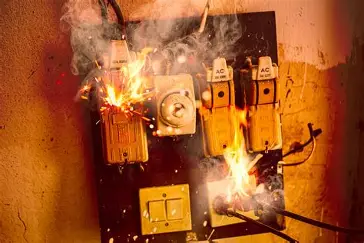
Electrical appliances make life easier. However, they must be used correctly.
For example, irons, heaters, kettles, and cookers produce a lot of heat. Therefore, they should never be left unattended. Moreover, appliances should always be used according to manufacturer instructions. If an appliance smells strange, sparks, or overheats, it should be unplugged immediately.
Importantly, people should avoid using fake appliances. Although they are cheaper, they are very dangerous. Quality appliances may cost more, but they protect lives.
Wiring is the backbone of any electrical system. Unfortunately, many buildings across Africa have wiring that is old, weak, or poorly installed.
Regular inspection is essential. Qualified electricians should check wiring systems, especially in schools, rental houses, and workplaces. Frayed wires, loose connections, and exposed cables must be repaired quickly.
In addition, people should avoid do-it-yourself electrical repairs unless they are trained. Poor repairs often cause sparks and overheating, leading to fires later.
Circuit breakers and fuses play a very important role in fire prevention. These devices automatically stop electricity flow when there is overload or a fault.
Every building should have working circuit breakers. Unfortunately, some people remove or bypass them to avoid power interruptions. This is very dangerous. Without these safety devices, electrical faults can easily start fires.
Therefore, breakers and fuses should be checked regularly and replaced when faulty. They may seem small, but they save lives.
Where electrical equipment is placed matters more than many people realize.
For instance, electrical cords should never run under carpets or mats. This traps heat and damages insulation. Also, cords should not block walkways, as people may step on them and cause damage.
Appliances should be placed on stable, well-ventilated surfaces. Overheating often happens when air cannot circulate properly. Good placement reduces this risk.
Water increases the risk of electrical fires and electric shock. Therefore, strict safety rules must be followed.
People should never touch electrical appliances with wet hands. Appliances must be kept far from sinks, bathrooms, and water storage areas. During rainy seasons, outdoor extension cords should be avoided.
In schools and workplaces, leaking roofs or damp walls near wiring should be repaired immediately. Moisture slowly damages electrical systems and increases fire risk.
Children are naturally curious. Unfortunately, this curiosity can expose them to electrical danger.
Unused sockets should be covered with safety plugs. Wires and extension cords should be kept out of reach. In addition, children must be taught not to touch plugs, sockets, or exposed wires.
Schools should include basic electrical safety lessons. When children learn early, they grow into adults who value safety.
Even with prevention, emergencies can still happen. Therefore, knowing how to respond is very important.
If an electrical fire starts:
Quick and calm action can prevent serious injuries or deaths.
Many electrical fires happen because of repeated mistakes. These include:
Avoiding these mistakes is one of the easiest ways to improve safety at home and work.
Schools face special risks. Many students use electricity at the same time, and buildings may be old or overcrowded.
Schools should inspect wiring regularly and limit the number of appliances per socket. Teachers and students should be trained on fire safety rules. Fire extinguishers must be available and easy to reach.
Moreover, electrical rooms should remain locked and only accessed by trained staff. These steps protect children and staff alike.
Businesses depend heavily on electricity. Computers, machines, and lighting systems run for long hours.
Therefore, workplaces should conduct regular electrical safety audits. Staff should be trained on emergency response and safe appliance use. In addition, backup power systems should be properly installed to avoid overload during outages.
Safe workplaces protect employees and reduce financial loss.
Fire safety is not only a personal responsibility. It is also a community effort.
Communities can organize safety training, report dangerous wiring, and support local fire safety campaigns. Schools, churches, and community centers can help spread awareness.
When people work together, fire incidents reduce, and lives are saved.
Mama Kabale Fire Safety Foundation plays a vital role in educating communities about fire safety. Through training programs, school outreach, and public awareness campaigns, the foundation promotes safe electrical practices.
By teaching prevention, the foundation helps families, schools, and businesses protect themselves from fire disasters and build safer environments across Africa.
Electrical fires cause pain, loss, and fear. However, they are not unavoidable. With awareness, proper equipment, and responsible behavior, communities can reduce these fires significantly.
Preventing electrical fires in Africa begins with simple actions taken every day. When families, schools, businesses, and communities commit to safety, they protect lives, property, and the future.
Fire safety is not optional. It is a responsibility we all share.
