
Public transport fires in Africa are increasing at a worrying speed. Every day, millions of people depend on buses, matatus, minibuses, and shared taxis to move across towns, cities, and rural roads. However, these same vehicles now pose a growing danger. Fires break out without warning, trapping passengers and destroying lives.
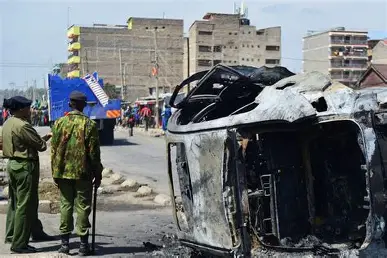
Across Africa, news reports show burning buses on highways, smoking matatus in towns, and passengers jumping out to escape flames. Sadly, many of these fires cause serious injuries or death. This problem affects everyone, from school children and workers to business leaders and government officials.
This article explains why public transport fires in Africa are rising, what causes them, who faces the highest risk, and how Africa can stop this deadly trend.
Understanding Public Transport in Africa
Public transport plays a key role in African life. It connects people to jobs, schools, hospitals, and markets. Most Africans rely on public transport every day because private cars cost too much.
However, many public transport vehicles operate under unsafe conditions. Owners often use old vehicles imported second-hand. Drivers work long hours to earn daily income. Maintenance receives little attention. As a result, public transport fire risk in Africa continues to grow.
Public Transport Fires in Africa Are Increasing Fast
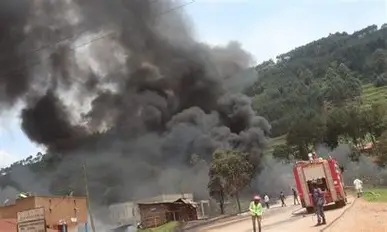
In recent years, rising public transport fires in Africa have become impossible to ignore. Fires now happen more often and spread faster than before. Some vehicles catch fire while moving. Others ignite during refueling or traffic stops.
These Africa public transport fire incidents follow the same dangerous pattern across countries. Poor maintenance, fuel leaks, and weak safety enforcement combine to create deadly outcomes.
Why Public Transport Fires in Africa Are Rising
Many people ask a simple question. Why public transport fires are rising in Africa despite modern technology. The answer lies in daily practices that put profit before safety.
Poor Vehicle Maintenance
Poor maintenance remains one of the biggest causes of public transport fires in Africa. Owners delay repairs to save money. Mechanics use cheap parts. Worn-out wires spark easily, while leaking fuel lines feed flames.
Because of this neglect, engines overheat and electrical systems fail. Small faults then turn into deadly fires.
Overloading of Passengers and Goods
Overloading happens across the continent. Vehicles carry more passengers and cargo than allowed. This extra weight puts pressure on engines, brakes, and wiring.
As a result, engines overheat quickly. Overheating ranks among the leading triggers of public transport fire accidents in Africa.
Unsafe Fuel Practices
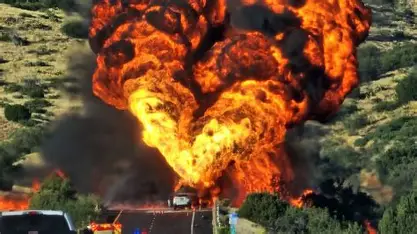
Many drivers carry extra fuel in plastic containers. Others install illegal fuel tanks. These practices greatly increase danger.
Fuel spills easily and ignites fast. Therefore, bus and matatu fires in Africa often start from unsafe fuel handling.
Electrical Faults and Illegal Modifications
Drivers install loud music systems, extra lights, and phone chargers without proper wiring. These modifications overload circuits.
Electrical faults now cause many public transport fires in Africa, especially in older vehicles.
Lack of Fire Safety Equipment
Fire extinguishers save lives. Unfortunately, many vehicles lack them. Some extinguishers expire. Others never work.
Without quick action, fires spread within seconds. This situation increases public transport fire risk in Africa.
Weak Law Enforcement
Although many countries have safety laws, enforcement remains weak. Corruption allows unsafe vehicles to pass inspections.
Because authorities fail to act, unsafe transport stays on the road. As a result, public transport fires in Africa continue to rise.
The Human Cost of Transport Fires
Behind every fire stands a painful story. Passengers suffer burns. Families lose loved ones. Survivors carry scars for life.
These public transport fire accidents in Africa hurt the poorest people most. Many victims cannot afford medical care or compensation.
Fire safety failures steal dignity, income, and hope from families across Africa.
Economic Damage Caused by Transport Fires
Transport fires destroy expensive vehicles. Owners lose income. Routes shut down. Businesses suffer delays.
In addition, governments lose public trust. Investors hesitate. Tourism declines.
Preventing public transport fires in Africa protects both lives and economies.
Real Examples Across the Continent
Across Africa, buses catch fire on highways. Matatus burn in busy towns. Minibuses explode after crashes.
These Africa public transport fire incidents share the same causes. Neglect, poor safety culture, and weak enforcement.
Each fire sends a clear warning. Africa must act now.
Why Fires Spread So Fast in Public Transport
Public transport vehicles burn quickly because of their materials. Seats, foam, plastics, and curtains ignite easily. Fuel tanks sit close to passengers.
Moreover, blocked exits delay escape. Smoke fills cabins fast. Therefore, public transport fire safety in Africa must focus on prevention and evacuation.
The Role of Drivers and Conductors
Drivers and conductors hold great responsibility. They inspect vehicles, handle fuel, and manage passengers.
However, many lack fire safety training. They ignore warning signs such as fuel smells and overheating.
Proper training can reduce public transport fires in Africa significantly.
The Role of Vehicle Owners
Vehicle owners often focus only on daily profits. They delay repairs and ignore safety equipment.
Yet safety protects business. Preventing fires saves money and lives. Responsible ownership reduces bus and matatu fires in Africa.
Government Responsibility in Fire Prevention
Governments must enforce strict inspections. Fire extinguishers should be mandatory. Unsafe vehicles must leave the road.
Public education campaigns can also raise awareness. Strong leadership reduces public transport fire risk in Africa.
The Power of Community Awareness
Passengers also play a role. People should avoid overloaded vehicles and report unsafe practices.
When communities demand safety, change follows. Awareness lowers public transport fires in Africa.
The Role of Fire Safety Foundations
Fire safety organizations fill a vital gap. They educate drivers, owners, and communities.
Mama Kabale Fire Safety Foundation works to prevent fires through training, awareness, and advocacy. Community education remains key to reducing public transport fires in Africa.
How Africa Can Stop Transport Fires
Africa can stop these fires through simple steps.
Inspect vehicles regularly
Train drivers on fire safety
Install working fire extinguishers
Stop illegal fuel storage
Control overloading
Enforce safety laws
These actions save lives.
A Safer Future for African Transport
Africa does not have to accept transport fires as normal. Other regions reduced similar risks through strong safety culture.
With commitment and education, public transport fire safety in Africa can improve.
A Call to Action
Every transport fire sends a message. Safety failed. Prevention failed.
Governments, transport owners, drivers, and passengers must act together. Fire safety belongs to everyone.
Reducing public transport fires in Africa will protect lives, strengthen economies, and restore trust.
Why This Message Matters
This blog speaks to everyone. From the common worker to national leaders. Fire safety knowledge should reach all people.
Mama Kabale Fire Safety Foundation stands for life, prevention, and action.
Final Message
Public transport fires in Africa are rising, but Africa can stop them. The causes are clear. The solutions exist.
What Africa needs now is action.
Fire safety saves lives.
