
School fires in Kenya have become a worrying trend affecting students, parents, teachers, and communities. In recent years, the country has seen hundreds of fire incidents and unrest in schools, especially in boarding schools. These fires are not always accidental. In many cases, they are the result of arson linked to fear of exams, peer pressure, indiscipline, drugs, and lack of support systems for students. To protect children and prevent future tragedies, parents and society must understand the underlying causes of these fires and how to respond appropriately. According to research, fear of exams and peer influence are among the top triggers, and many schools are unprepared to manage emergencies. Understanding these factors helps communities take action before a disaster occurs.
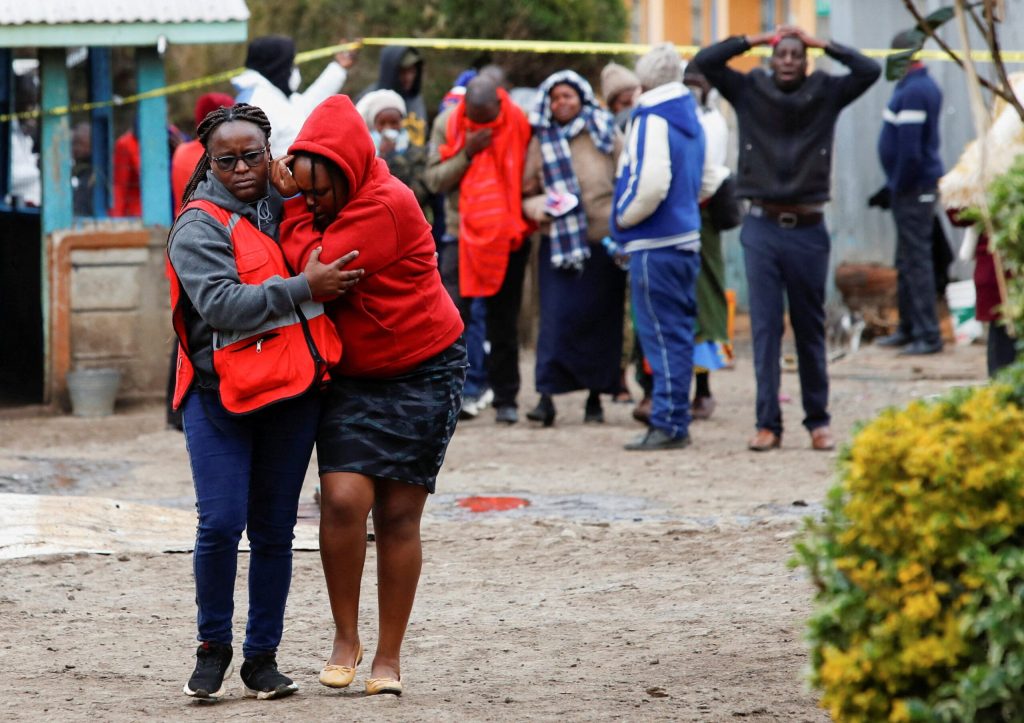
Kenya has a tragic history of school fires. One of the worst school fire disasters occurred at Kyanguli Secondary School in Machakos County in 2001, where 67 students were killed in a dormitory fire that was started deliberately. More recently, a devastating fire at Hillside Endarasha Academy in Nyeri County claimed the lives of at least 17 pupils and left many others with serious injuries. These incidents show how school fires can turn into national tragedies. Although not all school fires result in loss of life, the pattern of fires and unrest in Kenyan boarding schools has become noticeable, particularly during certain times of the academic year.
One of the leading causes of school fires in Kenya is fear and stress related to exams. Many students face immense pressure to perform well in national exams such as the KCSE and CKGSCE, and this pressure comes from teachers, parents, and society. When students feel overwhelmed or unprepared, some resort to extreme measures like starting fires to delay or cancel exams. Research shows that exam fear is a major trigger in school fires. Students have shared that they feel exhausted from long hours of study and mock exams, leading them to engage in arson to disrupt the academic calendar.
Adolescents are strongly influenced by their peers. When a group of students decides to engage in destructive behavior, others may join in to avoid being left out or to fit into a group. Peer pressure has been linked to several school fires, and copycat behavior is often observed, especially when incidents in one school spread to others through student networks and social media. Studies show that peer pressure and the desire to conform to group decisions are significant factors in school fire incidents in Kenya.
Drug and substance abuse are also contributors to school unrest and fires. In various studies, researchers noted that substance use among students can reduce inhibitions and impair judgment, leading to destructive behaviors such as arson or vandalism. Although not as frequently cited as exam fear or peer pressure, drug use remains an important concern for student behavior and discipline issues in schools.
School fires have also been linked to broader issues of indiscipline and lack of guidance and counseling services in schools. Without strong counseling and support systems, students may struggle to manage stress, behavioral issues, and emotional conflicts, increasing the chances of unrest and fires.
Poor communication between students and school administrators can build frustration and resentment. In some cases, students have felt unheard or mistreated, which has contributed to destructive actions including burning parts of school property.
Exam stress is more than just a fear of failing. For many students, national exams determine their future education and career paths. Because of this, exam fear can feel overwhelming and all-consuming. In some tragic cases, students believe that by preventing exams from happening, they can delay or postpone the pressure. This mindset has led to fires being set deliberately in dormitories or school buildings.
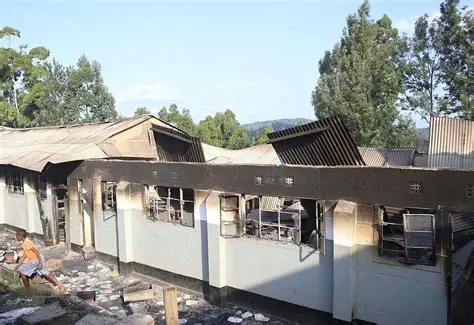
Most school fire incidents occur in boarding schools, where students live on campus and are together 24/7. Dormitories are crowded, escape routes are often unclear, and fire safety measures are weak or absent. According to Kenya’s Education Ministry, hundreds of fire incidents and unrest cases have been reported in boarding schools over the past year. Boarding schools also have stricter rules and less freedom, which some students find oppressive. This environment, combined with the causes discussed above, creates a volatile setting.
When a fire happens in one school, news of the incident spreads quickly. Because many schools operate under similar pressures, students in other institutions may replicate the act, seeing it as a form of protest or a way to express dissatisfaction. This domino effect has been observed in multiple counties across Kenya, including Kisii, Homa Bay, Nairobi, and Rift Valley regions.
While exam fear and peer pressure are major factors, substance abuse also plays a role. Students who use drugs or alcohol may have impaired judgment and be more likely to engage in risky or destructive behaviors, including starting fires. In some cases, substance use intensifies existing tensions and contributes to episodes of unrest within boarding schools.

Parents must understand that exam stress and school pressure can profoundly affect a child’s mental health. Open communication and emotional support at home can reduce anxiety and prevent dangerous responses.
Parents should maintain strong relationships with school leaders and teachers. Schools must provide safe environments, offer counseling, and respond constructively to student concerns.
Be aware of your child’s friend groups and behaviors. Peer influence can be positive, but it can also lead to indiscipline and destructive actions.
Drug and substance abuse prevention should start at home. Parents must watch for signs of drug use and work with schools and communities to provide support.
Parents and communities should urge schools to include fire safety training, practice fire drills regularly, maintain electrical safety, and comply with safety standards. Currently, many Kenyan schools lack fire safety assessments and do not include fire hazard training in the curriculum.
The Hillside Endarasha Academy fire that killed 17 young pupils shocked Kenya and reminded the nation of the dangers of weak fire safety and underlying social issues affecting students. Other incidents in Nairobi, Machakos, Meru, and beyond reveal patterns of arson linked to student unrest over exams, peer influence, and emotional stress.

All schools should conduct fire drills and educate students on fire hazards, exits, alarms, and response.
Schools must strengthen guidance services to help students manage stress, trauma, peer pressure, and behavioral issues.
Education policymakers should ensure that exam calendars and policies support student wellbeing, not just academic performance.
Schools need balanced discipline policies, conflict resolution channels, and ways for students to voice concerns without fear.
Communities, parents, and government must work together to enforce safety standards, inspect school infrastructure, and support mental health programs in schools.
School fires in Kenya are not just accidents. They often stem from deeper psychological, social, and educational pressures such as exam fear, peer influence, substance abuse, and poor communication between students and school systems. To protect children and prevent future tragedies, parents and society must recognize the warning signs and advocate for stronger fire safety education, emotional support, and healthier school environments. Understanding these causes and responding with care, compassion, and accountability can save lives and help create better futures for Kenya’s youth.
