
Smoke kills fire victims in Africa more often than flames, yet many people still do not understand this danger. When a fire starts, most people fear burns and heat. However, across Africa, smoke is the main cause of death during fires in homes, markets, schools, hostels, and rental buildings.
In many cases, victims die without touching fire at all. Instead, thick smoke spreads first, fills rooms fast, and attacks the body silently. Because of this, people collapse before they can escape.
For this reason, learning why smoke kills fire victims in Africa is one of the most important fire safety lessons for every community.

Fire smoke is not just dark air. In reality, it is a dangerous mix of hot gases, poisonous chemicals, and tiny particles released when materials burn. Plastics, foam, fabrics, fuel, and wood all create toxic smoke.
Because many African homes use plastic ceilings and poor wiring, the smoke becomes even more dangerous. As a result, once a fire begins, smoke spreads very fast.
Therefore, smoke becomes deadlier than flames in most indoor fires.
Flames usually grow step by step. Smoke, however, moves quickly and without warning. It rises first and then spreads through ceilings, doors, corridors, and staircases.
In many African buildings, doors remain open, ventilation is poor, and exits are narrow. Because of these conditions, smoke moves freely and fills the building.
As a result, people may think they are safe because flames are far away. Sadly, smoke may already be surrounding them.
This is another reason smoke kills fire victims in Africa more than flames.
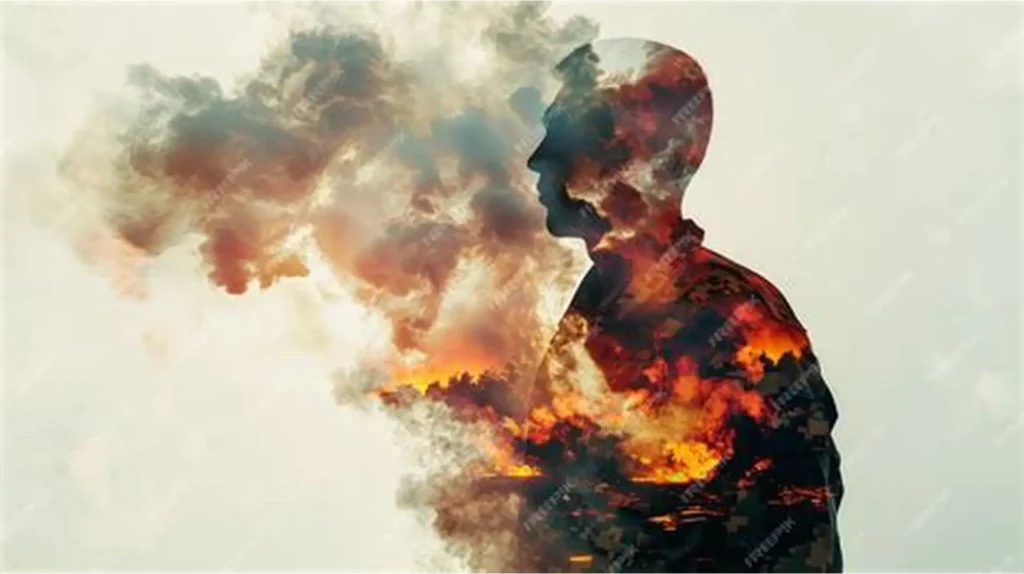
Smoke harms the body immediately. Unlike flames, it does not need direct contact to kill.
Smoke contains carbon monoxide and cyanide. These gases stop oxygen from reaching the brain. When oxygen levels drop, the body shuts down very fast.
Because of this process, many victims collapse before flames arrive.
Outdoor fires allow smoke to rise and spread into open air. Indoor fires, however, trap smoke inside buildings.
Across Africa, many homes and workplaces have sealed windows, locked doors, and no smoke ventilation. Consequently, smoke fills rooms from top to bottom.
Markets, hostels, rental houses, and informal settlements face the highest risk. In such places, escape becomes very difficult.
Many African buildings are built without fire safety planning. In addition, inspections are rare and rules are often ignored.
Common problems include blocked exits, narrow staircases, missing alarms, and no smoke detectors. Because of these issues, panic increases when smoke appears.
As panic grows, people push, fall, and get trapped. Eventually, smoke overcomes them.
Night fires are the deadliest fires in Africa. Most victims die while sleeping.
Smoke spreads quietly and does not always wake people. Meanwhile, oxygen levels drop quickly. By the time victims notice danger, it may already be too late.
At night, people are lying down while smoke fills rooms from above. As a result, consciousness is lost fast.
Once again, this explains why smoke kills fire victims in Africa more than flames.

Children and elderly people are more vulnerable to smoke. Their lungs are weaker, and they absorb toxic gases faster.
Additionally, they move slowly and panic easily. In crowded homes, they may not reach exits in time.
Therefore, fire safety plans must always protect them first.
Smoke affects the brain as well as the lungs. As oxygen reduces, thinking becomes unclear.
Because of this, people forget exits, move in wrong directions, or hide instead of escaping. Sadly, many victims are found in bathrooms, cupboards, or under beds.
These hiding places are deadly during fires.
Knowing how to react can save lives.
If escape is impossible, close doors, block gaps with wet cloths, and signal for help near windows.
Many victims return into smoke-filled buildings to save phones, money, or goods. Unfortunately, smoke kills faster than people expect.
Property can be replaced. Life cannot.
Therefore, early escape must always come first.
Smoke detectors warn people early, especially at night. They give families time to escape before smoke becomes deadly.
However, many African homes do not have them. Because of this, deaths remain high.
Installing smoke detectors is simple, affordable, and life-saving.
Fire safety education reduces deaths. When people understand smoke danger, they escape earlier.
Schools, markets, churches, mosques, and workplaces must teach fire safety regularly. Through education, communities become safer.
Communities should clear exits, teach families, and practice fire drills. At the same time, governments must enforce building laws and require smoke detectors.
When leadership acts, lives are saved.
Smoke kills fire victims in Africa every day, often before flames arrive. Smoke is fast, silent, and deadly.
Flames burn, but smoke kills more people.
Mama Kabale Fire Safety Foundation exists to educate Africans about this hidden danger. With knowledge, preparation, and early action, many lives can be saved.
Fire safety education saves lives.
Fire safety knowledge protects communities.
Fire safety must reach every African.
