
African household fire risks are part of everyday life in many homes across Africa. Families use fire to cook food, heat water, and keep warm. However, when fire is not handled with care, it can cause serious harm. Many households use gas, charcoal, or kerosene, and although these fuels make life easier, they also increase the danger of home fires.
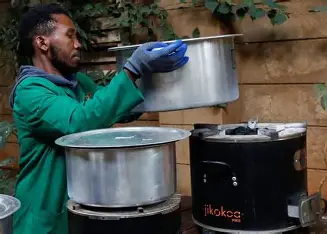
Fire is useful in our homes because we use it to cook food, heat water, and keep warm. However, fire can also cause great harm if it is not handled with care. In many African homes, people use gas, charcoal, or kerosene for cooking. Although these fuels make life easier, they also bring African household fire risks that many families do not fully understand.
In this blog, we will explain how these fuels cause fire accidents and, more importantly, how families can stay safe. To make learning easy, we use Grade 7 English. You will also learn important Gas fire safety Africa tips as well as how to avoid Charcoal fire hazards and Kerosene fire dangers.
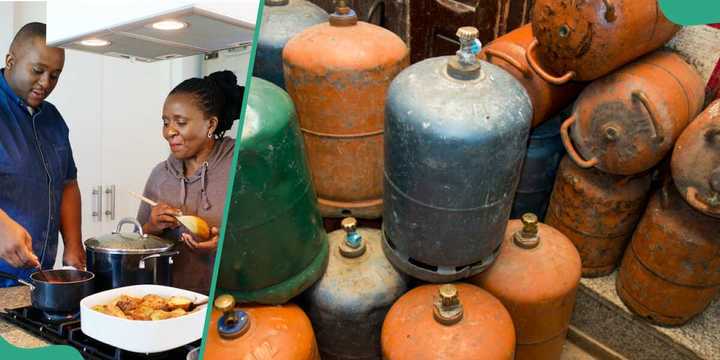
What Are African Household Fire Risks
African household fire risks mean any danger that can cause fire in homes across Africa. Most families cook with gas, charcoal, or kerosene. When these fuels are not used safely, they can start fires that destroy homes and harm lives.
In many places, cooking is done indoors. Some families use gas stoves, while others use charcoal or kerosene burners. Although all of these are useful, they can be dangerous if used the wrong way. Fortunately, with the right knowledge, we can reduce these risks and stay safe.
Gas Fire Safety in Africa
Gas is a common cooking fuel in African cities. It burns clean and cooks food fast. However, gas can leak. When a gas leak meets fire or a spark, it can explode. That is why Gas fire safety Africa is very important.
Gas Fire Safety Tips for African Homes
To stay safe, follow these simple rules:
Always check the gas cylinder and hose for cracks.
Make sure the cylinder stands upright on a flat surface.
Keep the cooking area clean and free from clutter.
Turn off the gas after cooking.
Never leave food cooking without watching it.
As a result, these simple habits can prevent many gas fires.
Charcoal Fire Hazards in African Kitchens
Charcoal is used in both rural and urban homes. It gives strong heat and cooks food well. However, it also produces smoke and flying embers, which can start fires.
Understanding Charcoal Fire Hazards
Charcoal fire hazards include:
Charcoal stoves tipping over.
Hot embers falling on the floor.
Smoke causing breathing problems.
Carbon monoxide building up indoors.
Therefore, charcoal should always be used carefully and in well-ventilated areas.
Kerosene Fire Dangers in African Homes
Kerosene is cheap and easy to find. Because of this, many families use it for cooking and lighting. Unfortunately, it is highly flammable, which makes Kerosene fire dangers very serious.
Common Kerosene Mistakes
Many fires happen because people:
Store kerosene in soda bottles.
Fill lamps near open flames.
Use broken stoves or lamps.
As a result, these mistakes cause serious house fires.
Hidden Dangers of Cooking Fuels
Gas, charcoal, and kerosene are useful, but they also have hidden dangers. For example, gas can leak without smell. Meanwhile, charcoal embers can fall on clothes or mats. In addition, kerosene spills can catch fire easily.
Because of these risks, families must stay alert at all times.
How to Prevent Household Fires in Africa
The good news is that most house fires can be prevented. With simple habits, home fire prevention Africa becomes easy.
Safe Cooking Fuel Practices
To reduce danger:
Always cook in a ventilated area.
Keep children away from fire.
Store fuel in safe containers.
Place stoves on stable surfaces.
Therefore, following these rules can save lives.
Indoor Cooking Fire Safety in African Homes
Many African families cook inside their homes. Because of this, indoor fire risks are higher. However, small changes can make cooking much safer.
Tips to Prevent Kitchen Fires
Do not wear loose clothes while cooking.
Keep flammable items away from fire.
Clean grease from cooking areas.
Keep water, sand, or a fire blanket nearby.
As a result, kitchen fires can be avoided.
Fire Safety Rules for Every African Home
Fire safety should be a daily habit. Every home should:
Check fuel sources often.
Teach children about fire danger.
Keep fire tools nearby.
Have an emergency plan.
Know how to call for help.
These steps greatly reduce African household fire risks.
Final Thoughts on African Home Safety
Fire is helpful, but it can also be deadly. That is why every family must understand African household fire risks. By following Gas fire safety Africa rules, avoiding Charcoal fire hazards, and knowing Kerosene fire dangers, families can protect their homes.
In conclusion, fire prevention is not difficult. It only needs awareness and good habits. Start today, because your family’s safety matters. Stay alert. Stay safe.
