
African market fire risks threaten thousands of traders every year. Most disasters begin with small daily habits that seem harmless. Over time, these habits turn busy markets into fire traps. In many towns, one fire can destroy years of hard work in minutes. This guide explains why markets keep burning and how traders can stop fires using simple, low-cost actions.
Markets are the heart of African life. People buy food, clothes, tools, and household goods there. Traders work long hours in crowded spaces. Fire safety is often ignored because survival comes first. Unfortunately, when fire strikes, survival becomes impossible.
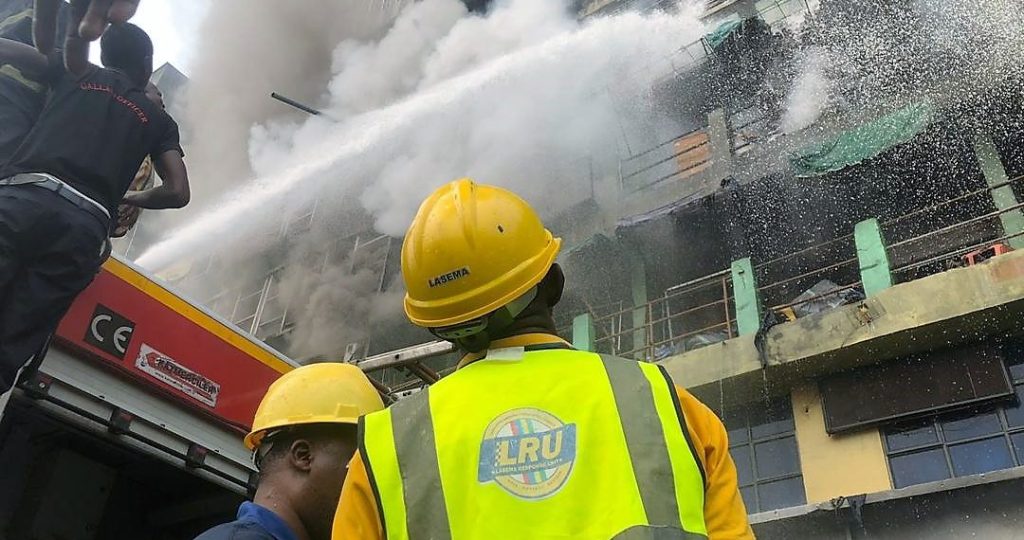
This guide is written in simple language so every trader can understand and act.
Why African Market Fires Keep Repeating
Repeated mistakes are the main reason African market fire risks remain high. Stalls are often built too close together, electrical lines are shared, and cooking happens inside stalls while exits are blocked with goods.
Fire safety in markets is weak not because traders do not care, but because rules are unclear or not enforced. When one stall catches fire, flames spread fast. Plastic, fabric, paper, and wood burn quickly. Smoke fills narrow paths, people panic, and losses become huge. Understanding market fire hazards is the first step to prevention.
Unsafe Electrical Practices and Market Fire Risks
Electrical fires are a top contributor to African market fire risks. Traders often share sockets, wires hang low, and many power lines are illegal. Overheating wires create sparks that start fires, often unnoticed at night.
Learn more about electrical fire safety from the National Fire Protection Association (NFPA).

Cooking, Gas, and Market Fire Hazards
Cooking inside stalls and storing gas cylinders near flammable goods greatly increase market fire hazards in Africa. Flames can tip over, gas leaks can ignite, and fire spreads quickly.
Fire prevention begins by separating fire from goods. Traders should cook outside stalls and never leave flames unattended.
Overcrowding, Blocked Exits, and Market Fire Dangers
Crowded stalls and blocked walkways increase African market fire risks. Exits must remain clear. When a fire starts, trapped traders cannot escape, and losses escalate.
Tip: Market organizers can improve safety by marking exits and ensuring pathways are unobstructed.
Practical Steps to Reduce Market Fire Risks
Reducing African market fire hazards does not require expensive equipment. Simple daily practices save lives:
These steps are inexpensive but highly effective.
Conclusion
African market fire risks are real but preventable. Unsafe habits, overcrowding, blocked exits, and cooking inside stalls are the main causes.
By following simple safety rules and practicing fire prevention daily, traders protect their stalls, their livelihoods, and their families.
Written by
Fire chief Wako
Founder Mama kabale fire safety foundation
