
Charcoal cooking safety is a daily concern for millions of families across urban Africa. Although charcoal remains one of the most affordable and accessible cooking fuels, it also carries serious risks when used incorrectly. Therefore, understanding how to use it safely is not optional—it is essential.
In many cities, homes are small, crowded, and often poorly ventilated. As a result, heat, smoke, and invisible gases build up quickly. Moreover, many households cook indoors due to weather, space limitations, or convenience. Unfortunately, this increases the risk of fires and carbon monoxide poisoning.
Imagine a typical evening. A family lights a jiko indoors to prepare dinner. At first, everything seems normal. However, over time, smoke accumulates, oxygen levels drop, and danger grows silently. Without proper precautions, this situation can quickly turn deadly.
For this reason, improving charcoal cooking safety can protect lives, homes, and entire communities.
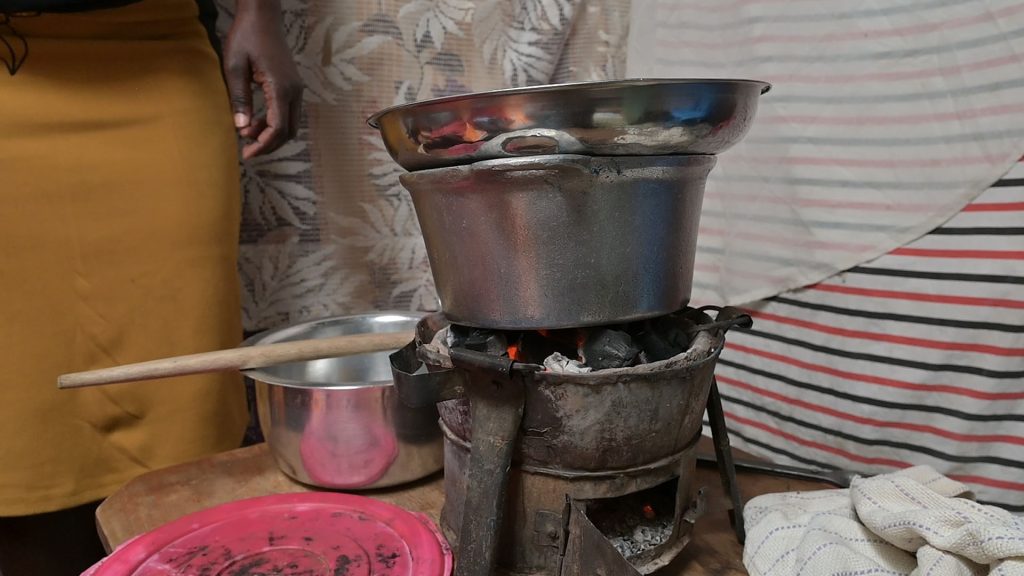
To improve charcoal cooking safety, it is important to understand the risks involved. Charcoal burns at very high temperatures. Therefore, it can easily ignite nearby materials such as wood, fabric, or plastic.
In addition, charcoal produces carbon monoxide, a gas that is both colorless and odorless. Because of this, people often do not realize they are being poisoned until symptoms appear. Furthermore, charcoal produces smoke and fine particles that can harm the lungs over time.
Common dangers include:
Consequently, safe handling is critical at all times.
Urban homes present unique challenges that increase fire risk. First, space is limited. Therefore, cooking areas are often located close to living spaces.
In addition, ventilation is frequently inadequate. As a result, smoke and gases remain trapped indoors. Moreover, many buildings use materials that can catch fire easily.
Another important factor is proximity. Houses are often built very close together. Consequently, a fire in one home can spread rapidly to others.
Because of these conditions, charcoal cooking safety becomes even more important in urban environments.
Jikos are widely used because they are affordable and efficient. However, improper use can turn them into serious hazards.
To improve charcoal cooking safety, always follow these guidelines:
In addition, always supervise children near cooking areas. Even a small accident can lead to a major fire.
Indoor charcoal use is one of the most dangerous practices. Although it may seem convenient, it significantly increases the risk of carbon monoxide poisoning.
When charcoal burns indoors, it consumes oxygen. At the same time, it releases toxic gases. As a result, people may feel weak, dizzy, or confused. In severe cases, they may lose consciousness without warning.
Therefore, charcoal cooking safety requires proper ventilation. Ideally, cooking should be done outdoors. However, if indoor cooking is necessary, ensure there is sufficient airflow.
Charcoal cooking introduces several fire hazards. For example, sparks can escape from the stove and ignite nearby materials. Similarly, hot ash can remain active long after cooking is finished.
Common hazards include:
Because of this, keeping the cooking area clean and organized is essential.
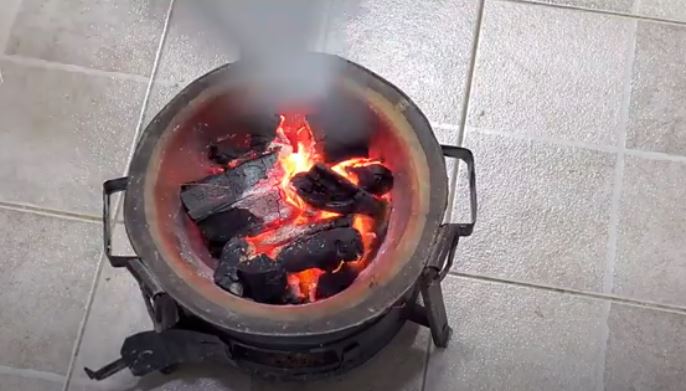
Improving charcoal cooking safety starts with simple habits. First, always cook in a well-ventilated area. In addition, keep flammable materials away from the stove.
Furthermore, use proper tools when handling hot charcoal. Avoid using bare hands or unsafe equipment.
Other important practices include:
As a result, these steps significantly reduce risk.
Carbon monoxide is one of the greatest dangers associated with charcoal cooking. However, many people underestimate its effects.
To improve charcoal cooking safety, follow these steps:
Symptoms include headache, dizziness, nausea, and confusion. Therefore, if these signs appear, move to fresh air immediately and seek help.
Children and elderly individuals are more vulnerable during fires and gas exposure. For example, children may not recognize danger. Similarly, older individuals may have slower reactions.
Therefore, families must take extra precautions. Keep cooking areas restricted and supervise children at all times. In addition, educate family members about fire safety.
As a result, awareness reduces risk and improves response.
Fire safety is not just a personal responsibility. In urban areas, it affects entire communities.
Neighbors should work together to reduce risks. For example, they can share safety knowledge and respond quickly to emergencies. In addition, community awareness programs can improve preparedness.
👉 One safe home can protect many others.
Even with precautions, fires can still occur. Therefore, knowing how to respond is essential.
First, stay calm. Then, remove people from danger immediately. If the fire is small, use sand or a fire extinguisher.
However, avoid using water on certain fires, especially grease fires. Finally, contact emergency services as soon as possible.
To improve charcoal cooking safety, create a safer environment. Use fire-resistant materials where possible. In addition, improve ventilation systems.
Furthermore, consider alternative cooking options such as gas or electric stoves. Although charcoal is affordable, safer options can reduce long-term risks.
Consider two homes in the same neighborhood. Both use charcoal for cooking. However, one follows safety practices while the other does not.
In the first home, ventilation is poor and charcoal is left burning overnight. Eventually, smoke builds up, and occupants become unconscious.
In the second home, proper ventilation is maintained and charcoal is extinguished after use. As a result, the family remains safe.
Clearly, the difference is not luck—it is preparation.
Many accidents occur because of simple mistakes. However, these mistakes can have serious consequences.
Common errors include:
Therefore, avoiding these mistakes improves charcoal cooking safety significantly.
Charcoal cooking safety is essential for protecting lives in urban African homes. Although charcoal is widely used, it must be handled responsibly.
By adopting simple safety practices, families can prevent fires, avoid poisoning, and create safer environments. Ultimately, safety is a daily habit that saves lives.
Start improving your charcoal cooking safety today. Check your cooking area, improve ventilation, and educate your family.
Do not wait for an emergency. Act now and stay safe.
