
When an accident happens, every second matters. Knowing First Aid Basics can save a life before a doctor or ambulance arrives. In Kenya, many emergencies happen at home, on the road, in schools, and at workplaces every day. From small cuts to serious burns or fainting, quick action makes a huge difference.
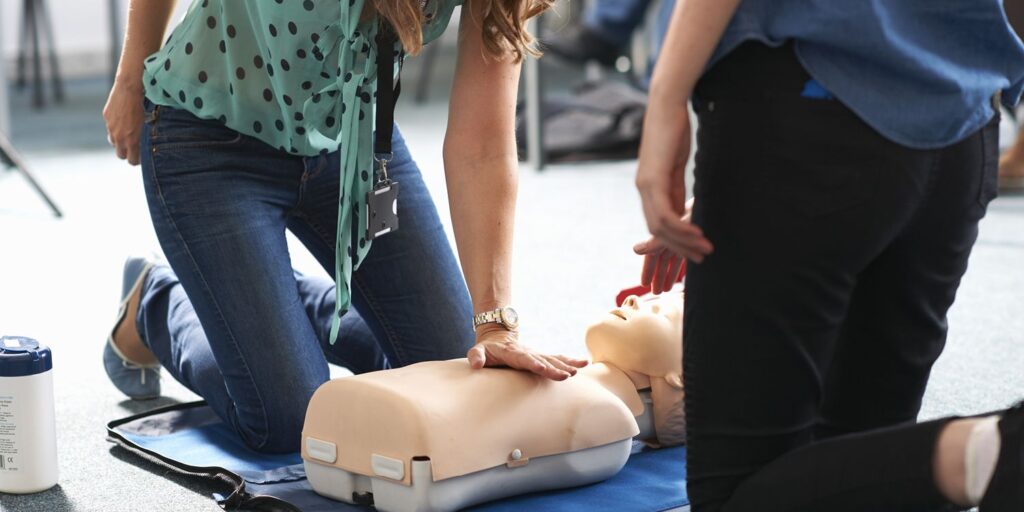
At Mama Kabale Fire Safety Foundation (MKFS), we believe safety goes beyond fire prevention. Everyone should learn the First Aid Basics that help protect family, friends, and co-workers. This simple guide for 2025 explains what to do, what not to do, and how to stay calm when someone is hurt.
First Aid Basics mean the first help you give to a sick or injured person before professional care arrives. It does not need to be perfect — just helpful enough to keep someone safe and alive.
The main goals of first aid are:
Every Kenyan home, school, and office should have a first aid kit and at least one trained person who knows the basics.
Before you rush to help, make sure the place is safe for both you and the injured person.
What to do:
First Aid Basics Tip: Your safety comes first. You cannot help anyone if you also get injured.
In Kenya, you can call 999 or 112 for emergencies. Always stay calm and speak clearly.
What to say:
If you are in a remote area, send someone to find help while you give first aid.
First Aid Basics Tip: Always keep emergency numbers saved in your phone and posted in visible places at home and work.
Bleeding is one of the most common emergencies. A small cut may look harmless, but heavy bleeding can be dangerous.
What to do:
Do not:
Tip: Pressure and patience stop bleeding faster than panic.
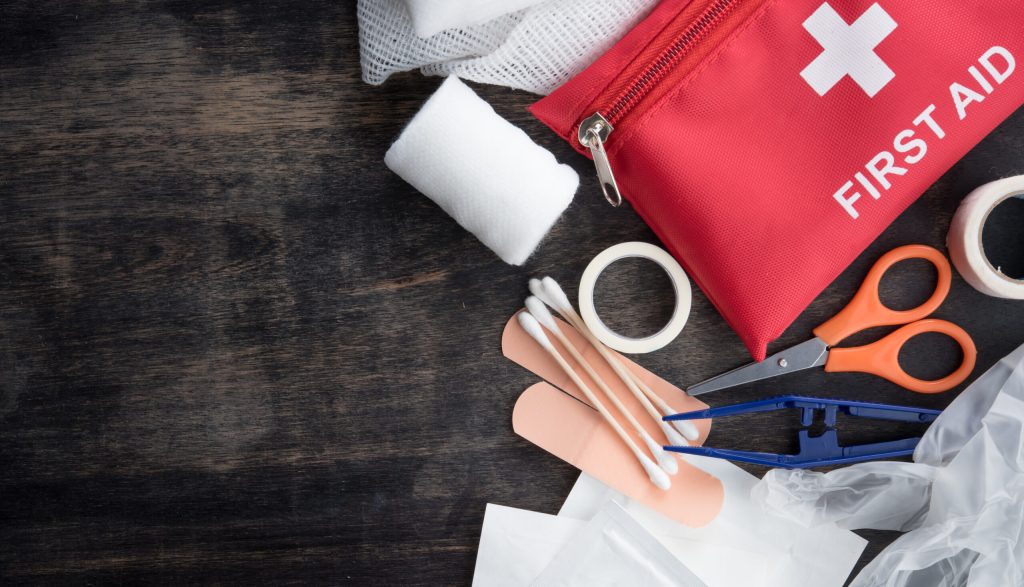
Burns can come from hot water, oil, electricity, or chemicals. Acting quickly can prevent deep skin damage.
What to do:
Do not:
Tip: Cool water is the best and safest first treatment for burns.
Nosebleeds can look scary, especially in children, but they are often not serious.
What to do:
Do not:
First Aid Basics Tip: Lean forward, pinch, and stay calm. Most nosebleeds stop quickly.
Fainting happens when the brain does not get enough blood for a short time. Shock is more serious — it means body organs are not getting enough oxygen.
What to do for fainting:
For shock:
First Aid Basics Tip: Always treat fainting or weakness seriously until you know the cause.
Choking blocks air from reaching the lungs. It can happen while eating or playing.
What to do:
If the object does not come out, call for help fast.
First Aid Basics Tip: Always watch children while they eat or play with small objects.
You can tell something might be broken if it hurts a lot, looks bent, or the person cannot move it.
What to do:
Do not:
First Aid Basics Tip: Keep the broken area still and supported until professionals take over.
In Kenya, snake bites, insect stings, and food poisoning are common emergencies.
For bites and stings:
For poisoning:
First Aid Basics Tip: Always store food, medicine, and cleaning products safely away from children.
Here are a few more simple habits that make a big difference:
First Aid Basics Tip: Practicing these small steps builds confidence and saves time during real emergencies.
As Kenya grows, so does the need for safety education. Road accidents, school injuries, home fires, and workplace incidents happen daily. By learning First Aid Basics, we reduce panic, respond faster, and save more lives.
Mama Kabale Fire Safety Foundation (MKFS) is leading this change through training, books, and awareness programs. We teach students, maids, parents, and workers how to react during emergencies. We also provide fire safety and first aid equipment to schools and organizations.
Our dream is a Kenya where every person — young or old — knows what to do when someone needs help.
The world is changing fast. With more homes using gas, electricity, and machines, accidents can happen anytime. Climate changes bring floods, heat, and health risks. First Aid Basics prepare you to respond quickly and wisely before professional help arrives.
By 2025, we want every Kenyan household to have:
When you learn first aid, you gain the power to save lives — not just your own family’s, but anyone in need.
You can learn First Aid Basics through:
First Aid Basics Tip: Practice makes perfect — review what you learn every few months so you never forget.
Knowing First Aid Basics is not only for doctors or teachers — it’s for everyone. Emergencies come without warning, and what you do in the first few minutes can decide between life and death.
At Mama Kabale Fire Safety Foundation, we believe that every Kenyan can become a lifesaver. Start today by learning, teaching others, and keeping your first aid kit ready.
Be alert. Be calm. Be prepared.
That is the real meaning of First Aid Basics.

One Response
Great knowledge. Can you put in slides so we can share the knowledge with our community