
Gas Cylinder Safety is one of the most important yet overlooked aspects of home protection. In many households, LPG is used daily for cooking, but very few people truly understand the risks involved. A small gas leak, loose connection, or poor ventilation can quickly turn into a life-threatening situation.
Understanding Gas Cylinder Safety helps you prevent accidents before they happen. This guide gives you practical, easy-to-follow steps to protect your family, especially children, from invisible dangers in the kitchen.
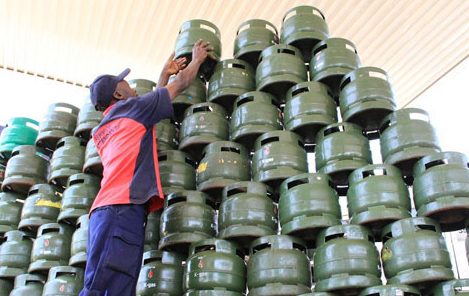
Liquefied Petroleum Gas (LPG) is highly flammable and stored under pressure. For safety, a strong smell is added so leaks can be detected easily. However, one critical fact many people don’t know is that LPG is heavier than air.
When it leaks, it sinks and spreads along the floor instead of rising. This means gas can accumulate silently in low areas, increasing the risk of ignition. That’s why proper ventilation is a key part of Gas Cylinder Safety.
Ignoring gas risks can lead to devastating consequences. Fires caused by gas leaks spread quickly and can destroy entire homes within minutes.
Practicing Gas Cylinder Safety helps to:
A safe kitchen starts with awareness and consistent habits.
Most gas-related accidents are preventable. They usually happen due to simple mistakes or lack of maintenance.
Loose regulators or poorly fitted hoses can cause leaks.
Old or cracked hoses are a major hazard.
Cooking in closed spaces allows gas to build up.
Ignoring the smell of gas or leaving the stove unattended increases risk.
Improving your safety habits can eliminate these dangers.
Correct installation is the foundation of a safe kitchen.
Avoid placing cylinders inside enclosed cabinets. If a leak occurs, gas can accumulate and create a dangerous environment.
The hose and regulator are critical components of your gas system.
These small checks go a long way in maintaining Gas Cylinder Safety.
Early detection can save lives.
Apply soapy water to connections. If bubbles form, there is a leak.
Never ignore even the smallest sign of leakage.
Quick action is critical.
Even a tiny spark can trigger an explosion.
Safety is built through routine actions.
These habits greatly reduce risk over time.
Children are naturally curious and may not understand danger.
Creating clear boundaries helps prevent accidents.
Safe storage is often ignored but very important.
When handling cylinders, avoid dropping or dragging them.
Explosions happen when gas accumulates and ignites.
To prevent this:
Consistent attention is key to avoiding disaster.
Gas-related fires can escalate quickly if not controlled.
Never use water to extinguish a gas fire. It can make the situation worse.
Preparation saves lives.
Practicing these steps ensures everyone knows what to do under pressure.
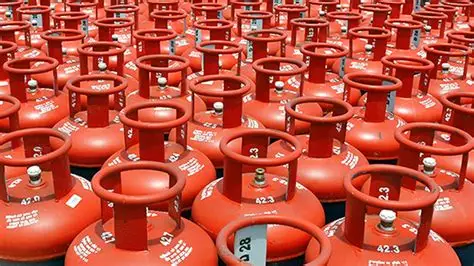
Many accidents are caused by simple oversights:
Avoiding these mistakes significantly improves safety.
Use this daily:
Gas Cylinder Safety is not something to think about only during emergencies. It should be part of your daily routine. By following the simple steps in this guide, you can prevent gas leaks, avoid fires, and protect your loved ones.
A safe home is built on awareness, discipline, and consistency. Start today, and make your kitchen a place of safety, not risk.
