
A bold and simple gas leak safety guide can save your life, your family and your home. Many gas leak accidents happen because people panic or do not know what to do. In Kenya, gas is used in many homes, hotels and small businesses. This means that every person should understand the right gas leak emergency response steps. Knowing how to respond to a gas leak can stop a small leak from turning into a big fire or explosion.
This gas leak safety guide will teach you the warning signs of a gas leak, the safe steps to follow and what to do before help arrives. You will also learn the most important gas leak safety procedures, how to make a good gas leak action plan, and the safest ways to protect your home.
The goal is to help you stay calm, think clearly and act fast during a gas cylinder leak emergency.
Every year, many homes in Kenya experience LPG gas leaks. Some leaks are small while others turn into dangerous fires. A simple tool, mistake or loose connection can cause a leak. Because LPG is heavier than air, the gas does not rise. It spreads along the floor and fills the room slowly. If the gas meets fire, heat or a spark, it can burn or explode.
Why Every Home Needs a Gas Leak Safety GuideThis is why every home needs a gas leak safety guide. This guide tells you the right things to do and the wrong things to avoid. When a person panics, they can make the situation worse. But when you follow a gas leak emergency guide, you stay safe and protect others.
Before you learn how to respond to a gas leak, you must know the signs. Here are the most common signs of a leak.
If you notice one or more of these signs, begin your gas leak emergency response immediately.
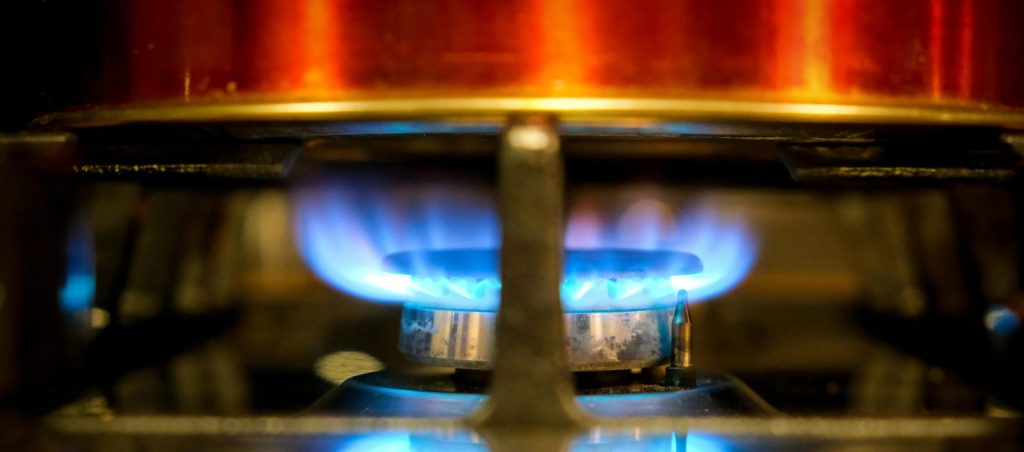
The strongest part of any gas leak safety guide is knowing what to do first. These steps must happen quickly and calmly.
1. Stay calm
Do not panic. Panic leads to mistakes. Take a deep breath and stay focused.
2. Do not switch anything on or off
Do not turn on lights, do not turn off lights and do not use your phone inside the room. Any small spark can cause a fire.
3. Turn off the gas valve if it is safe
Move slowly to the cylinder. If the fire is not on the valve, switch off the main valve immediately. This step stops the flow of gas.
4. Open all windows and doors
Fresh air helps push the gas out of the room. Good ventilation reduces the chance of fire.
5. Move people away
Tell everyone to step outside the house. Children and older people should be moved first.
6. Do not use fire
Do not use matches, candles, gas lighters or any flame. Even static electricity from clothes can be dangerous.
7. Get help
Call your gas supplier or the fire department from outside the house. They will guide you on what to do next.
These steps form the core of every gas leak emergency guide and help you act quickly.
Sometimes the leak may already be burning. Many people fear a gas flame, but an unburned gas leak is actually more dangerous because gas can fill a room and explode. If a small flame is burning at the valve, do not try to put it out with water.
Here are the correct gas leak emergency steps when fire is present.
1. Do not move the cylinder
Moving the cylinder can make the fire worse or cause more gas to leak.
2. If safe, close the valve
If you can reach the valve without touching the flame, close it immediately. This cuts off the fuel and the fire will stop.
3. Remove people from danger
Tell everyone to leave the house at once. Stay calm. Guide them out quickly.
4. Call the fire department
Call for help from a safe place outside.
5. Let trained people handle the fire
Do not try to fix the leak during the fire. Firefighters have equipment and training to do it right.
When you follow these steps, you follow the best gas leak emergency response for fire situations.
A gas cylinder leak emergency can happen for many reasons. Knowing the causes helps you prevent future accidents.
1. Loose regulator connection
This is the most common cause. If the regulator is not fitted well, gas leaks easily.
2. Damaged O ring
The rubber O ring inside the regulator can become worn out or cracked.
3. Old or cracked hose pipe
Gas hoses have expiry dates. When they get old, they start to crack and leak.
4. Faulty cylinder valve
Sometimes the valve is damaged and cannot close fully.
5. Poor storage
Placing cylinders in closed, hot or crowded areas increases risk.
6. Rough handling
Dropping or hitting the cylinder can damage the valve.
A strong gas leak safety guide teaches people to inspect these parts often to prevent leaks.
Here is a simple step by step plan on how to respond to a gas leak using easy Grade 7 English.
Step 1. Smell or hear a leak
If you smell rotten eggs or hear a hissing sound, take action immediately.
Step 2. Do not touch electrical items
Leave all switches alone.
Step 3. Switch off the valve
Only if it is safe and the fire is not blocking your path.
Step 4. Ventilate the room
Open doors and windows to let gas escape.
Step 5. Move everyone outside
Keep people away until it is safe again.
Step 6. Find the source after the danger is gone
Use soapy water to check for bubbles.
Step 7. Call for help
Let a trained technician fix the leak.
Following these steps builds confidence and improves your gas leak response.
Good habits keep your home safe. Here are the most important gas leak safety procedures.
1. Check hoses often
Look for cracks and replace them before the expiry date.
2. Clean the regulator and valve
Dirt can stop the regulator from fitting well.
3. Use soapy water for testing
Do this test every time you replace your cylinder.
4. Keep the cylinder in a ventilated area
Do not place it near heat or in a closed cabinet.
5. Teach everyone in the house
Children should know the smell of gas and how to react.
6. Replace worn out equipment
Do not wait for leaks to replace old parts.
These procedures make your home safer and reduce your risk of a gas cylinder leak emergency.
A gas leak action plan helps everyone know what to do during a leak. Here is how you can build one.
1. Assign roles
Tell each family member what they should do. For example, one person opens windows and another moves children outside.
2. Know the exit paths
Every person should know the fastest way out.
3. Practice the plan
Do a simple practice at least once every three months.
4. Keep emergency numbers ready
Write them on the wall or save them on your phone.
5. Store equipment safely
Make sure you have fire blankets and know where they are kept.
An action plan makes your gas leak safety guide stronger and easier to follow.
If you forget everything else, remember these simple rules about what to do in a gas leak.
These reminders should always be part of your gas leak emergency guide.
A good gas leak safety guide gives you the power to react fast and wisely. Gas leaks are dangerous but they do not have to turn into disasters. When you know the correct gas leak emergency response, follow the right gas leak safety procedures, and practice your gas leak action plan, you protect your home and save lives.
Understanding how to respond to a gas leak is one of the most important safety skills for every Kenyan family. Safety begins with knowledge. Share this guide with others and make your home, school or workplace a safer place.
