
Household Child Fire Safety is the most important responsibility every parent, guardian, and community must take seriously in Africa today. Every year, thousands of children are injured or killed in preventable home fires, yet many families still lack the knowledge and tools to stay safe.
Children are naturally curious. They touch, explore, and imitate adults. However, this curiosity can quickly turn dangerous around fire, electricity, or cooking areas. As a result, homes become silent risk zones.
Therefore, this guide gives you simple, practical, and life-saving steps. You will learn how to protect children at home, in schools, and within your community. Most importantly, you will discover how small daily actions can prevent tragedy.
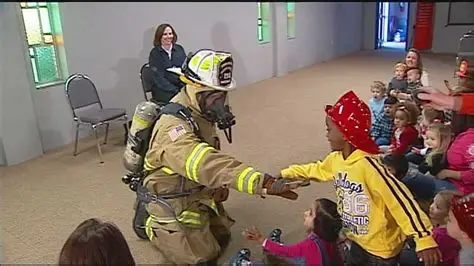
Across Africa, many homes face unique fire risks. For example, informal settlements, overcrowded housing, and limited emergency services increase danger levels.
In addition, many families cook using charcoal, kerosene, or LPG gas. These methods are affordable but risky, especially when children are nearby.
Meanwhile, electrical systems are often overloaded. Illegal connections and poor wiring increase the chance of sparks and fires.
Because of these realities, Household Child Fire Safety must be simple, affordable, and practical. It must fit real African homes, not just ideal situations.
For example:
Therefore, awareness is the first step. When families understand risks, they act faster and smarter.
Electrical fires are one of the leading causes of home fires. Faulty wiring, overloaded sockets, and cheap extension cables are common problems.
Children are especially at risk because they may:
As a result, a small spark can turn into a deadly fire.
Cooking areas are the most dangerous places for children. Open flames, hot oil, and boiling water create serious risks.
However, many families allow children near kitchens without supervision.
Common dangers include:
Therefore, cooking safety must always be a priority.
Gas is efficient, but it can be deadly if mishandled. Leaks can cause explosions that destroy entire homes.
Children may unknowingly:
Because of this, proper storage and supervision are critical.
Most fires are caused by human actions. Carelessness, lack of awareness, and risky habits increase danger.
For example:
Meanwhile, children learn from adults. If adults ignore safety, children will too.
Children cannot escape fires easily. They panic, hide, or freeze.
As a result, they are the most vulnerable during emergencies.
Therefore, prevention is the best protection.
Fires destroy homes, belongings, and livelihoods. Families lose everything in minutes.
In addition, recovery is expensive and slow.
A fire in one home can spread quickly, especially in crowded areas.
However, when communities practice Household Child Fire Safety, they protect each other.
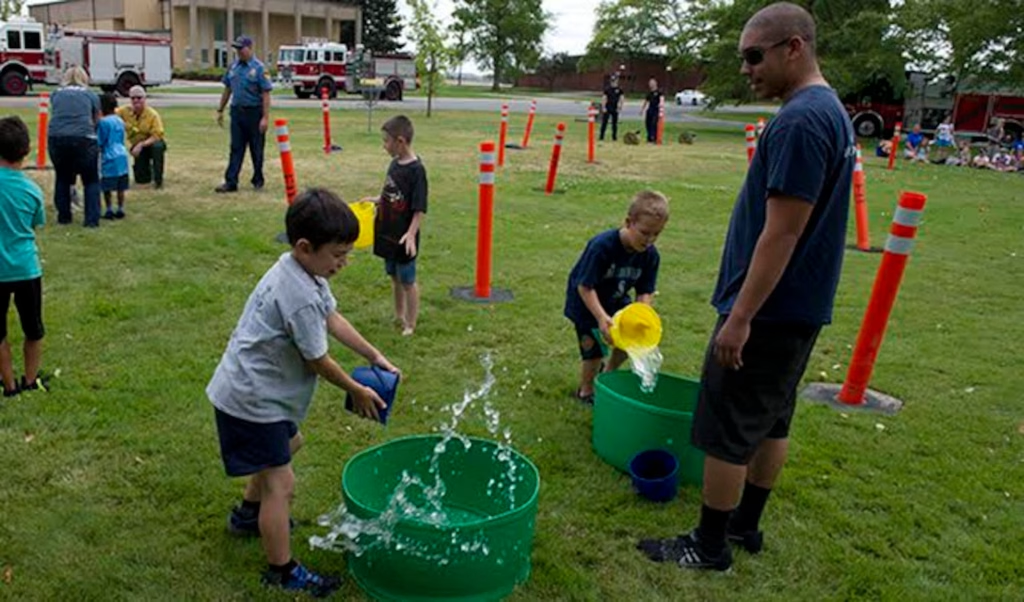
Every home must have basic safety rules.
Start with these steps:
In addition, create a family fire plan. Teach children what to do if a fire starts.
For example:
Practice this plan regularly.
Schools must also protect children.
Important actions include:
Meanwhile, teachers must supervise cooking areas and science labs carefully.
Shops and small businesses often operate near homes.
Therefore, they must:
This reduces risks for both workers and nearby families.
Communities play a big role in safety.
Simple actions include:
In addition, neighbors should watch out for each other.
Governments must enforce safety laws. Building codes, electrical standards, and fire regulations save lives.
However, enforcement is often weak.
Therefore, NGOs must step in to:
Together, they can create safer environments for children.
Youth are powerful agents of change.
One trained young person can:
Meanwhile, businesses must invest in safety.
For example:
As a result, everyone benefits.
Africa needs practical, low-cost solutions.
Not every family can afford expensive equipment. However, simple tools can still save lives.
Examples include:
Knowledge is power.
Communities must:
Training saves lives.
Programs should focus on:
As a result, communities become stronger and safer.
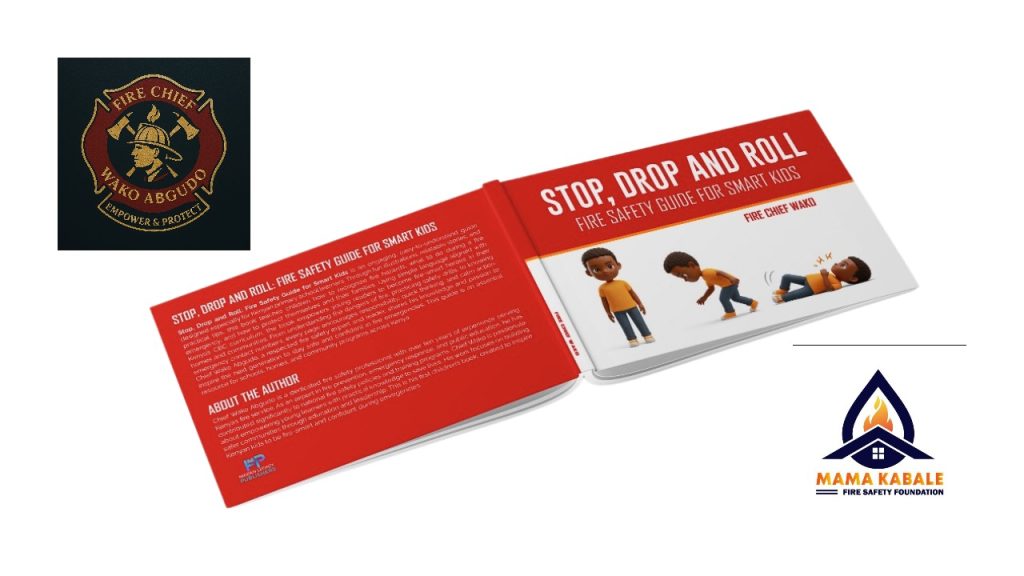
The Mama Kabale Fire Safety Foundation is leading the way in Africa.
Through education, training, and community outreach, it is transforming how people think about fire safety.
Key initiatives include:
In addition, the foundation focuses on Household Child Fire Safety as a core mission.
This ensures that the most vulnerable are protected first.
Global Standards and Resources
For more information, explore these trusted resources:
These organizations provide valuable knowledge and tools.
Fires do not wait. They spread fast and destroy everything in their path.
However, most fires are preventable.
Household Child Fire Safety is not complicated. It starts with awareness, simple actions, and daily habits.
Every parent, teacher, and community member has a role to play.
Therefore:
Because one small action today can save a life tomorrow.
Do not wait for tragedy. Start now.
Share this message. Protect your family. Build a safer Africa.
Visit the Mama Kabale Fire Safety Foundation today and become part of the movement.
