Kenyan firefighters community fire prevention efforts are critical for saving lives and property. In Kenya, fire hazards are frequent due to dry climates, electrical faults, and open flames used in cooking. Firefighters have worked tirelessly to educate communities, conduct training, and improve safety awareness.
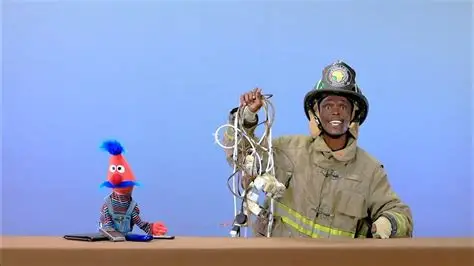
From Mandera’s Goji, and through media like the Tochi & Jose fire safety show, firefighters are spreading life-saving knowledge. Community leaders and firefighters like Cyrus, Jose and November, are main supporters of these efforts. Africa Fire Mission and PCPM partnered with Kenya Firefighters to ensure that rural and urban communities receive proper fire prevention training.
This blog explores these efforts, the lessons learned, challenges faced, and ways communities can support firefighters in Kenya and across Africa.
🔥 Why Fire Prevention Matters in Kenya counties and the Northern
Fires are a major threat in this region because:
- Dry weather and strong winds increase fire spread.
- Rural homes often use firewood or kerosene for cooking.
- Electrical faults are common in urbanized towns.
- Limited access to fire safety equipment.
Kenyan firefighters community fire prevention programs teach people how to reduce these risks. Awareness campaigns, hands-on training, and school outreach save lives every year.
🚒 Key Fire Prevention Lessons from Kenyan Firefighters
1. Electrical Safety
Electrical fires are common in towns like Mandera and Goji. Firefighters teach communities to:
- Inspect wiring and appliances regularly.
- Avoid overloading sockets.
- Switch off equipment when not in use.
- Only use certified electrical devices.
These simple precautions prevent many fires before they start.
2. Safe Cooking Practices
In rural and urban homes, cooking accidents are a leading cause of fires. Firefighters advise:
- Never leaving stoves unattended.
- Keeping flammable items away from heat sources.
- Proper use of gas and kerosene stoves.
- Installing fire blankets in kitchens.
Training programs, often aired on Tochi & Jose fire safety show, demonstrate these practices to large audiences.
3. Fire Escape Planning: Firefighters emphasize the importance of a clear evacuation plan:
- Identify all exits in the home.
- Practice drills regularly with family members.
- Set a safe assembly point outside.
- Educate children and the elderly on escape procedures.
This step is critical for Kenyan firefighters community fire prevention initiatives.
4. Use of Firefighting Equipment
Many communities do not know how to use extinguishers or blankets. Firefighters teach:
- How to operate fire extinguishers safely.
- When to attempt to fight small fires and when to evacuate.
- Maintenance of firefighting equipment at home or school.
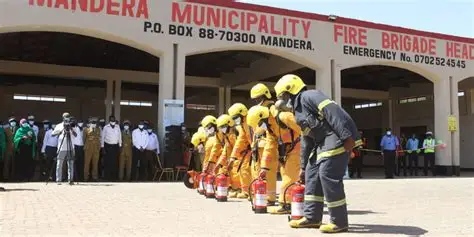
Hands-on sessions with Africa fire mission and PCPM-trained teams ensure people can respond confidently.
5. Community Engagement and Education
Firefighters like Cyrus, Jose, Goji and November work tireless to raise awareness:
- Conduct workshops in schools, universities, and community halls.
- Engage local youth to spread fire safety tips.
- Collaborate with Africa fire mission.
These efforts improve fire safety awareness for homes and communities across Kenya and Northern Kenya.
⚠️ Challenges Kenyan Firefighters Face
Despite their dedication, firefighters face multiple obstacles:
1. Lack of Equipment
Many fire stations in counties and specially like Isiolo, Mandera and Wajir do not have sufficient engines, hoses, or protective gear. This limits:
- Emergency response speed.
- Ability to provide community demonstrations.
2. Limited Funding
County budgets often underfund fire departments, affecting:
- Fire drills in schools and hostels.
- Purchase of training materials.
- Recruitment and retention of skilled firefighters.
3. Low Public Awareness
Some residents do not understand the importance of fire safety:
- Unsafe storage of flammable materials.
- Neglect of electrical maintenance.
- Resistance to evacuation drills.
4. Geographic and Infrastructure Challenges
- Remote villages have poor road access.
- Some homes are made from highly flammable materials.
- Urban sprawl makes fire response challenging.
5. Political and Administrative Barriers
- Fire safety is sometimes low on county government priorities.
- Lack of structured training programs.
- Minimal collaboration with local schools and community organizations.
🌍 National and Continental Perspective
Kenya face challenges similar to other African countries:
- Nigeria and Ghana report high fire incidents in informal settlements.
- Many African counties lack enough fire stations or trained personnel.
- Awareness campaigns are limited to major cities, leaving rural areas vulnerable.
Kenyan firefighters community fire prevention efforts provide a model for other regions.
🏫 Role of Media: Tochi & Jose Fire safety Show
The Tochi & Jose Fire safety show broadcasts fire prevention lessons to a wide audience. Key highlights include:
- Demonstrating safe cooking and electrical precautions.
- Step-by-step evacuation drills.
- Interviews with AFM trained firefighters sharing real incidents.
Media coverage extends the reach of fire safety education beyond local communities, inspiring youth and adults alike.
👨🚒 Contributions of these fire crew
Firefighters like Cyrus, Jose, Goji and November support these community fire prevention efforts by:
- Organizing fire awareness workshops in town centers.
- Encouraging local residents to adopt safety practices.
- Mobilizing youth volunteers for fire prevention campaigns.
These efforts strengthen fire prevention outreach in Kenya.

🔥 Africa Fire Mission and PCPM Partnerships
The Africa Fire Mission and PCPM-trained and even employee full time firefighters bring additional support:
- Specialized training in fire risk assessment.
- Disaster management planning for schools, hostels, and markets.
- Sharing best practices from other African countries.
- provide full websites that supports firefighters in even public on full fire prevention education.
This collaboration enhances firefighter capacity and community safety.
🧯 Household Fire Prevention Tips
Kenyan firefighters advise families to:
- Inspect wiring monthly.
- Keep kitchens clean and supervised.
- Store flammable liquids safely.
- Install smoke detectors and fire extinguishers.
- Conduct regular fire drills with children and elderly.
These steps form the foundation of community fire prevention programs.
🏢 Schools and University Hostels
Firefighters actively train students in:
- Mandera and other Kenya counties.
- University, primary and secondary schools, focusing on safe habits and electrical practices.
- Developing clear evacuation routes and safe assembly points.
These programs reduce fire risks and save lives in student accommodations.
📱 Technology in Fire Prevention
- Gas safety in markets centers.
- Social media campaigns targeting youth.
- Online tutorials and virtual workshops on fire safety from mkfsfoundation.org.
Technology allows Kenyan firefighters community fire prevention efforts to reach more people effectively.
🔥 Real-Life Lessons
- Fires in Mandera town spread rapidly due to wooden and thatched homes.
- Students in Kenya avoided disaster because they practiced fire drills led by firefighters.
- Communities report fewer fire incidents after workshops due to Africa fire mission-trained teams.
Lesson: Listening to firefighters saves lives.
🚀 Conclusion
Kenyan firefighters community fire prevention efforts in Kenya are critical for public safety. Despite challenges like limited equipment, funding, and awareness, firefighters continue to educate, train, and save lives.
Through media like Tochi & Jose fire safety show, partnerships with Africa Fire Mission, and PCPM-trained teams, communities learn practical fire prevention strategies.
Supporting firefighters, implementing safety programs, and educating communities ensure a safer future for Kenya and Africa.
Every citizen, student, business owner, and government official has a role to play. Together, we can reduce fire disasters, save lives, and protect property across Eastern and Northern Kenya.