Kitchen Fire Hazards: 5 Common Risks in African Homes
Introduction: Why Kitchen Fire Hazards Demand Urgent Attention
Kitchen Fire Hazards are one of the most dangerous and overlooked threats in many African homes. Every day, families cook meals using gas, electricity, charcoal, or open flames—often in tight spaces with children nearby. While cooking is a normal part of life, it is also the leading cause of house fires worldwide.
In many African settings, the risk is even higher due to:
Limited kitchen space
Informal wiring systems
Use of open flames or charcoal
Lack of fire safety awareness
However, here’s the truth: most kitchen fires are preventable.
This guide breaks down the 5 most common kitchen fire hazards and gives you professional fire prevention techniques you can apply immediately to protect your home.
🔥 1. Unattended Cooking – The Silent Danger
⚠️ Why It’s Dangerous
Unattended cooking is the number one cause of kitchen fires. Fires can start within seconds when heat builds up, especially when frying or using oil.
Imagine this: you step away “just for a minute,” and suddenly smoke fills the room. That’s how quickly a fire can begin.
🔥 Common Scenarios in African Homes
Cooking while attending to children
Leaving food on charcoal jikos outside
Walking away to take phone calls
Cooking late at night and falling asleep
✅ Professional Prevention Techniques
Stay in the kitchen while cooking
Use a timer or alarm as a reminder
Turn off heat before leaving—even briefly
Assign someone responsible to monitor cooking
🧠 Expert Insight
Fire spreads faster than most people expect. Within minutes, a small flame can engulf an entire kitchen.
👉 Rule:If you leave it, you risk it.
🛢️ 2. Grease Fires – Fast, Fierce, and Deadly
⚠️ Why It’s Dangerous
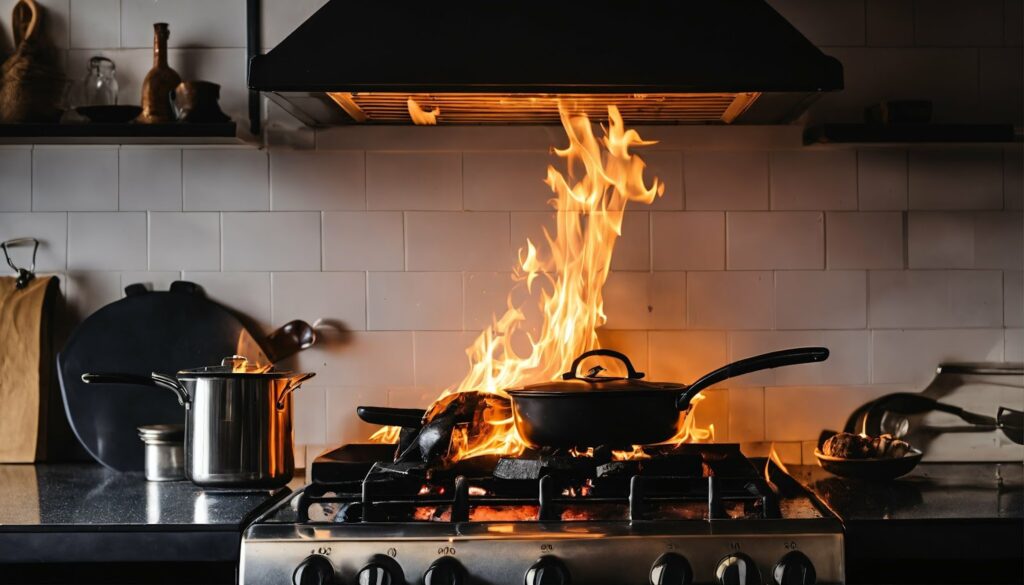
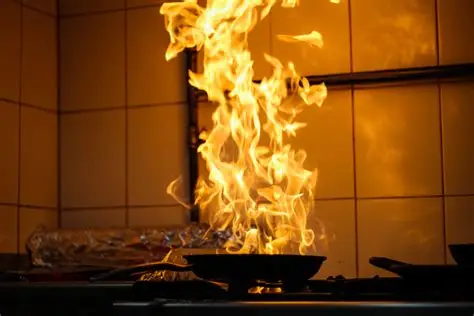
Grease fires occur when cooking oil becomes too hot and ignites. These fires are extremely dangerous because they spread rapidly and react violently to water.
🔥 Common Causes
Overheating oil during frying
Oil spilling onto flames
Reusing oil multiple times
Cooking without monitoring temperature
❌ Critical Mistake to Avoid
Never pour water on a grease fire. Water causes the burning oil to explode and spread flames instantly.
✅ Professional Prevention Techniques
Heat oil slowly and monitor constantly
Keep a lid nearby to cover flames
Use a fire blanket if available
Turn off the heat source immediately
🧠 Expert Insight
Smothering removes oxygen—the fire dies naturally.
👉 Rule:Cover it, don’t splash it.
🔌 3. Faulty Electrical Appliances – Hidden Fire Starters
⚠️ Why It’s Dangerous
Electrical faults are silent but deadly. A small spark from a damaged wire can ignite nearby materials instantly.
🔥 Common Risks in African Homes
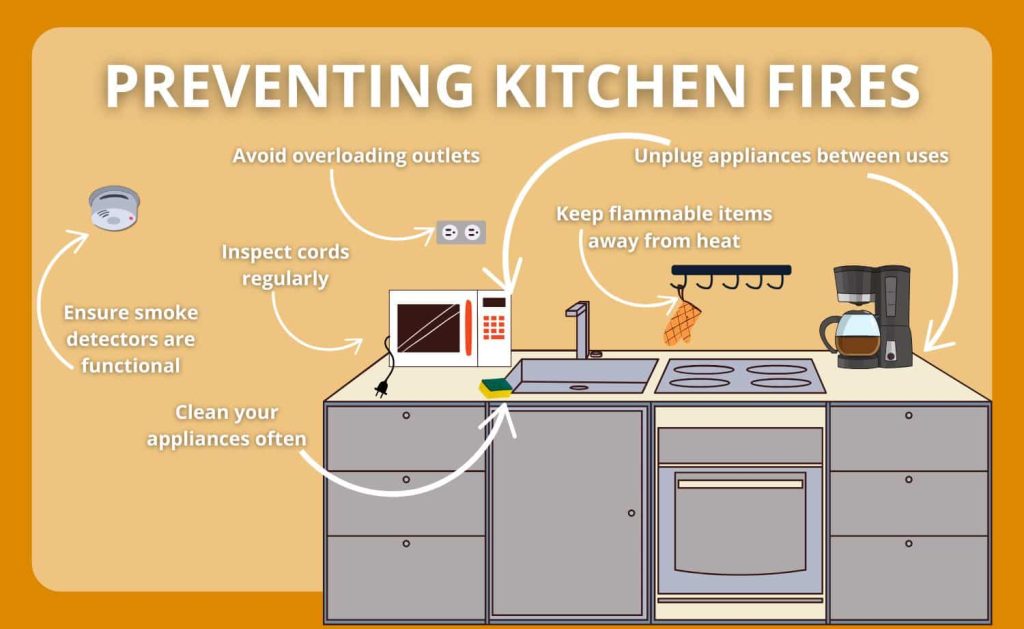
Overloaded extension cables
Cheap or counterfeit appliances
Exposed wiring
Old electrical systems
🚨 Warning Signs
Burning smell
Sparks or flickering
Hot plugs or sockets
Frequent power trips
✅ Professional Prevention Techniques
Avoid plugging multiple appliances into one socket
Replace damaged wires immediately
Buy certified electrical appliances
Schedule routine electrical inspections
🧠 Expert Insight
Electrical fires often start behind walls—by the time you see them, they are already advanced.
👉 Rule:If it looks unsafe, it is unsafe.
🔥 4. Gas Leaks and Open Flames – Explosive Hazards
⚠️ Why It’s Dangerous
Gas leaks can lead to powerful explosions or sudden fires. LPG (liquefied petroleum gas) is widely used but must be handled carefully.
🔥 Common Causes
Loose gas connections
Old or damaged gas pipes
Poor ventilation
Forgetting to turn off the gas
🚨 Warning Signs
Smell of gas
Hissing sound near cylinder
Weak or irregular flame
❌ Dangerous Mistakes
Lighting a match when gas is leaking
Switching on electrical appliances
✅ Professional Prevention Techniques
Check gas connections regularly
Turn off gas at the cylinder after use
Keep the kitchen well ventilated
Store cylinders upright and in safe areas
🧠 Expert Insight
Gas spreads quickly and ignites easily—one spark is enough.
👉 Rule:Smell gas? Act fast, don’t spark.
🧻 5. Flammable Materials Near Heat – The Overlooked Risk
⚠️ Why It’s Dangerous
Many kitchen fires start because everyday items are placed too close to heat sources.
🔥 Common Examples
Kitchen towels near stoves
Paper packaging near flames
Plastic containers melting
Curtains catching fire
✅ Professional Prevention Techniques
Keep at least one meter between heat and flammable items
Store items properly after use
Keep cooking areas clean and organized
🧠 Expert Insight
Fire needs fuel. Remove the fuel, and you reduce the risk.
👉 Rule:Clear space saves lives.
🚨 Real-Life Scenario: How Fast a Kitchen Fire Can Spread
A small oil fire starts in a pan. Within 30 seconds, flames grow. In 2 minutes, cabinets catch fire. In less than 5 minutes, the entire kitchen can be engulfed.
That’s why early action is everything.
🛡️ Advanced Fire Prevention Strategies for Every Home
To go beyond basic safety, adopt these professional strategies:
🔔 Install Early Warning Systems
Smoke detectors save lives
Place them near kitchens and sleeping areas
🧯 Keep Fire Safety Tools Ready
Fire extinguisher (Class ABC recommended)
Fire blanket for grease fires
👨👩👧 Train the Whole Family
Teach children basic fire safety
Show them emergency exits
🚪 Practice Escape Plans
Identify two exit routes
Practice drills regularly
🌍 Community Responsibility: Fire Safety Starts With You
In many African communities, homes are close together. One kitchen fire can spread quickly and affect neighbors.
That means:
Your safety protects others
Awareness can save entire communities
One trained person can prevent disaster
👉 Powerful Truth:One safe home can protect ten others.
💡 Common Myths About Kitchen Fire Hazards
❌ “Small fires are harmless”
👉 Reality: Small fires grow fast.
❌ “Water can put out any fire”
👉 Reality: Water can worsen grease fires.
❌ “It won’t happen to me”
👉 Reality: Most victims thought the same.
🧠 Final Thoughts: Prevention Is Power
Kitchen Fire Hazards are real, but they are also preventable. Every action you take today—no matter how small—reduces the risk of fire tomorrow.
You don’t need expensive equipment to stay safe. You need:
Awareness
Discipline
Simple safety habits
Because in fire safety, seconds matter—and preparation saves lives.
🔥 Call to Action
Start today:
Inspect your kitchen
Remove hazards
Teach your family
Don’t wait for a fire to teach you a lesson. Prevent it now.
Written By: Fire Chief Wako Abgudo
A fire service leader dedicated to improving fire safety standards in Kenya and beyond. With support from key partners, I have helped align local fire services with global best practices.