
Preventing and responding to bush fires is one of the most urgent safety issues facing Africa today. Every year, uncontrolled fires destroy homes, farms, forests, and wildlife. As a result, families lose food, income, and sometimes their lives. Because many regions experience long dry seasons, strong winds, and high temperatures, fires spread quickly and become difficult to control.
For this reason, learning how to reduce fire risks and act quickly during emergencies is essential for farmers, students, workers, and communities living near grasslands and forests. With proper awareness, preparation, and cooperation, many fire disasters can be avoided.
Bush fires are not small accidents. Instead, they are serious emergencies that affect health, food security, and the environment. When fires spread, they destroy crops, damage roads, cut electricity lines, and pollute the air. Consequently, children miss school, families lose income, and communities struggle to recover.
In addition, fires destroy wildlife habitats and forests that protect soil and rainfall patterns. Over time, this leads to land degradation and poverty. Because of these impacts, preventing and responding to bush fires must be treated as a shared responsibility.
Most importantly, many fires are caused by human activities. This means they can be prevented through better behavior and awareness.
Bush fires are uncontrolled fires that burn dry grass, shrubs, farmland, or forests. In Africa, they are common during dry seasons when vegetation dries out and becomes highly flammable.
Although lightning can start fires, most outbreaks are linked to human actions. Therefore, understanding how fires begin helps communities improve fire safety and emergency response.
Across Africa, bush fires often start because of:
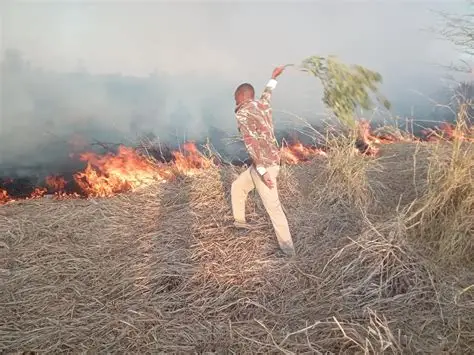
Because these causes are well known, changing daily habits plays a major role in preventing and responding to bush fires effectively.
Weather greatly influences fire behavior. During dry seasons, grass and leaves lose moisture and ignite easily. At the same time, strong winds push flames across open land at high speed.
Furthermore, high temperatures increase fire intensity, making flames harder to control. Therefore, communities should avoid burning rubbish or lighting fires during hot, windy, or extremely dry days. Monitoring weather conditions is a key part of fire risk reduction.
Communities are strongest when they work together. Collective action reduces fire outbreaks and improves emergency response.
Dry grass, leaves, and bushes act as fuel for fires. Clearing vegetation around homes, schools, farms, and roads slows fire spread.
Firebreaks are cleared strips of land that stop flames from moving forward. For this reason, farmers and communities should create firebreaks before dry seasons begin. This practical step supports preventing and responding to bush fires at the local level.
Open flames must always be managed carefully. Cooking fires, campfires, and rubbish burning should never be left unattended. After use, fires must be fully extinguished with water or soil.
Even small embers can restart fires later. Therefore, careful flame control is essential for bush fire safety.
Farm equipment and vehicles can produce sparks that ignite dry grass. Tractors, generators, and machinery should be well maintained and checked regularly.
In addition, such equipment should not be used near dry vegetation during high-risk periods. This simple precaution greatly reduces fire outbreaks.
Education saves lives. When people understand fire dangers, they make safer choices. Schools, churches, and community meetings should regularly teach fire safety practices.
Children should also learn early because they often help with farming, herding, and household chores. As awareness spreads, communities become safer and more prepared.
Weather alerts should always be taken seriously. When conditions are dry and windy, fire-related activities should stop.
By paying attention to weather forecasts and local warnings, communities can plan safer activities and reduce emergencies. This proactive approach strengthens preventing and responding to bush fires.
Even with good prevention, fires can still occur. Therefore, knowing how to act quickly and safely is very important.
As soon as a fire starts, neighbors and local authorities should be alerted. Early warning allows faster response and limits damage.
Quick communication is a key part of preventing and responding to bush fires in emergency situations.
When fires grow large or move fast, people should not try to fight them alone. Instead, they should evacuate to safe areas away from flames and smoke.
Livestock can be moved if time allows, but human life must always come first. Safe evacuation saves lives.
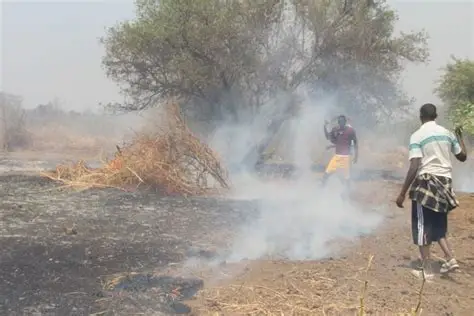
For small fires, water, sand, soil, or fire beaters can be used. Firebreaks also help slow or stop fire spread.
However, large fires should be handled by trained firefighters. Knowing when to step back is part of responsible fire response.
Burns are common during bush fires. Immediate action reduces injury severity.
Basic first aid steps include cooling the burn with clean water, covering it with a clean cloth, and seeking medical help quickly. First aid knowledge supports safer preventing and responding to bush fires.
Fire safety works best when everyone participates. Communities that cooperate respond faster and recover better after emergencies.
Important actions include sharing safety information, training volunteers, keeping firefighting tools ready, and reporting careless burning.
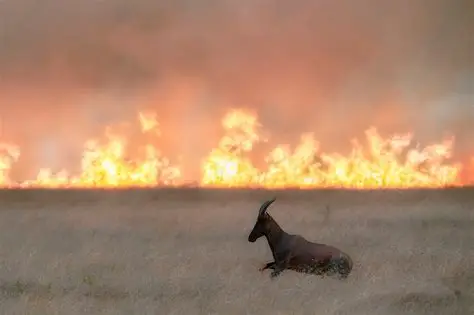
Bush fires destroy forests, wildlife habitats, and soil quality. Over time, land becomes less productive, affecting farming and water availability.
Therefore, preventing and responding to bush fires also protects the environment and future generations.
Climate change has increased fire risks across Africa. Longer dry seasons and higher temperatures make fires more frequent and intense.
Because of this, fire safety education and preparedness are more important now than ever before.
Mama Kabale Fire Safety Foundation works to educate African communities about fire prevention and emergency response. Through training and awareness programs, the foundation supports preventing and responding to bush fires across the continent.
By teaching practical fire safety skills, the foundation helps protect homes, farms, forests, and lives.
Children are future leaders. Teaching them fire safety builds long-term protection. Simple lessons help children act responsibly and share knowledge at home.
Educating young people strengthens community-wide safety efforts.
Governments support fire safety through laws, fire services, and public education. When authorities work closely with communities, fire risks reduce significantly.
Strong policies improve coordination and emergency response.

Preventing and responding to bush fires requires awareness, preparation, and teamwork. Many fires are avoidable when communities act responsibly and early.
Fire safety is everyone’s responsibility. Through education, cooperation, and quick action, Africa can reduce bush fire damage and protect lives, livelihoods, and the environment.
Mama Kabale Fire Safety Foundation continues to promote safety, prevention, and education across Africa. Knowing how to prevent and respond to bush fires saves lives and secures the future.
