
Wildfires around the globe 2026 are sending a strong warning to families, communities, businesses and governments: fire prevention can no longer be treated as a seasonal issue.
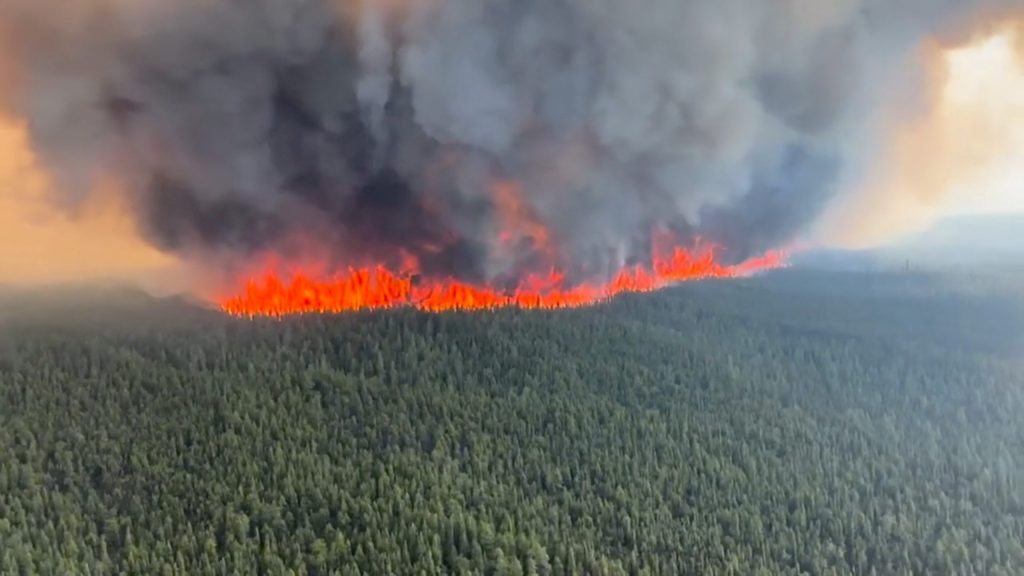
From Canada to Europe and Asia, large fires are showing how quickly dry vegetation, high temperatures, strong winds and human activity can turn a small ignition into a major emergency. In August 2026, British Columbia in Canada has faced more than 100 active wildfires, with thousands of people evacuated. Indonesia is also fighting major fires during a very dry period, while parts of Europe have experienced serious wildfire activity during extreme heat.
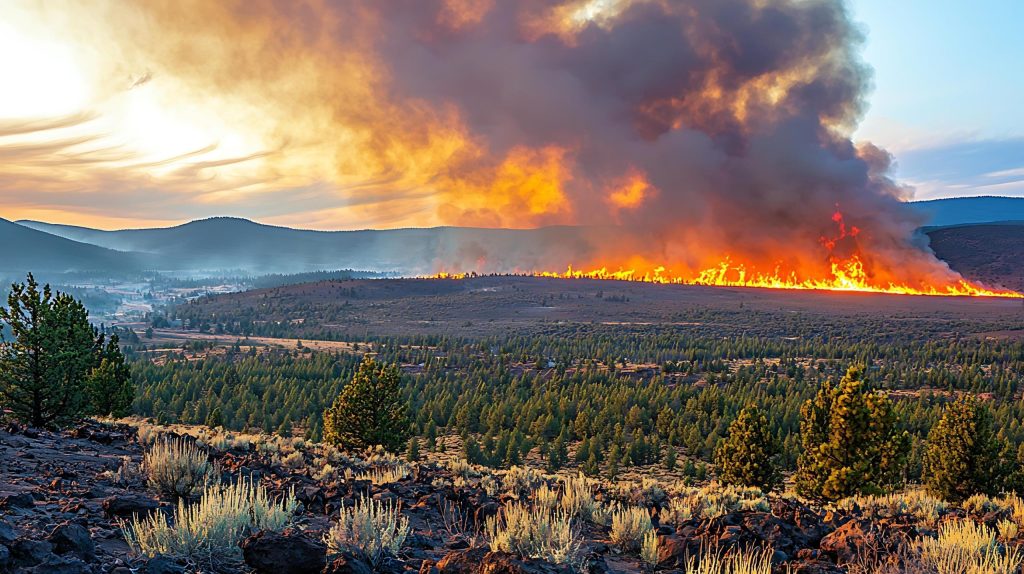
These events should not only concern people living in countries that frequently appear in international wildfire news. They should concern Africa too.
Africa has large areas of grassland, forest, farmland, dry bush and rural settlements. Many communities depend on land for farming, livestock and daily life. When vegetation becomes dry and an ignition occurs, fire can travel quickly.
The important question is not only, “Where is the next big wildfire?”
The better question is, “What can we do before the fire starts?”
The 2026 wildfire story is not the same everywhere. Each country has its own climate, vegetation, land-use practices and emergency systems.
Canada is facing fast-moving fires in British Columbia, where evacuations have affected thousands of people. Indonesia is dealing with fires in areas including dry grasslands and peatlands. Europe has also experienced dangerous wildfire conditions during periods of extreme heat and dry weather.
These examples teach Africa an important lesson.
A wildfire does not need to begin as a huge flame.
It can begin with a cigarette, a cooking fire, a farm activity, a spark from machinery, burning waste, an electrical fault, a vehicle, or another small source of ignition.
When the ground is dry and the wind is strong, the fire can move beyond the control of the person who started it.
The World Health Organization explains that wildfire danger increases during extremely dry conditions, drought, heat waves and high winds. It also warns that wildfire smoke contains harmful air pollutants and that fires can disrupt transport, communications, water supplies, electricity and gas services.
This is why fire prevention must start before smoke is seen.
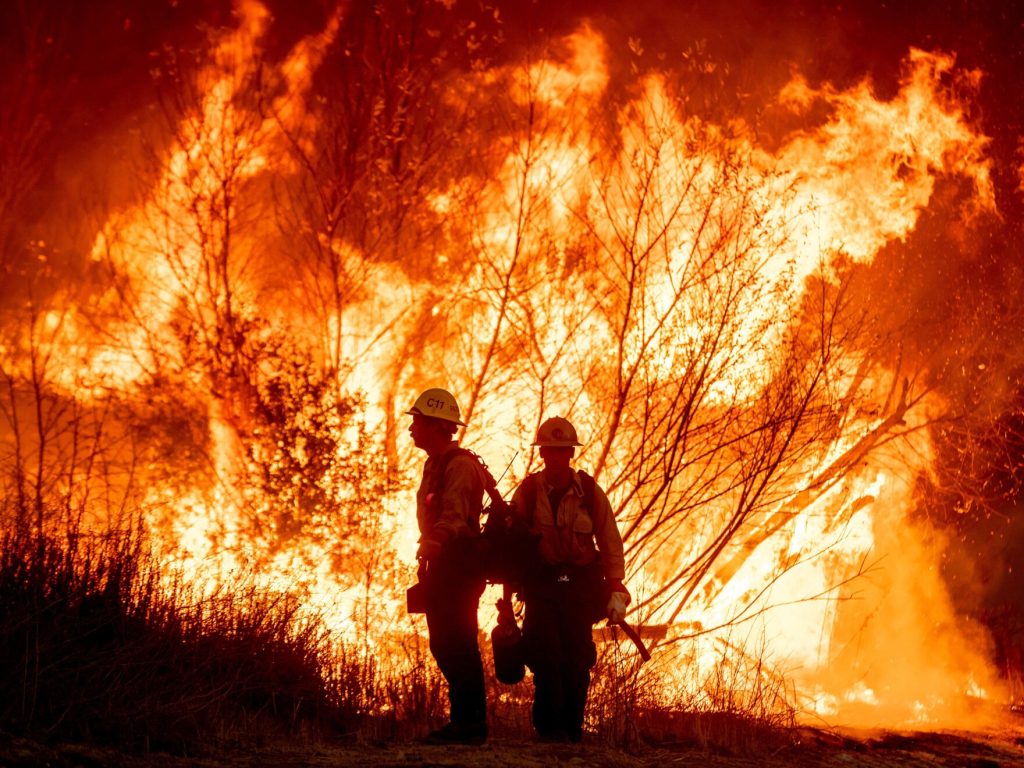
Fire needs three basic things: heat, fuel and oxygen.
Outdoor environments can provide all three.
Dry grass becomes fuel. Dead leaves become fuel. Dry branches become fuel. Crops become fuel. Bushes become fuel. Wooden structures can also become fuel.
When the weather is hot and dry, plants lose moisture. This makes them easier to ignite.
Wind then becomes a major danger.
A strong wind can push flames forward, carry burning leaves and embers, and create new ignition points far from the original fire. This means a fire may jump roads, fields and open spaces.
People sometimes believe that an open area automatically makes them safe.
That is not always true.
A wildfire can move across open grassland much faster than many people expect.
Climate change is an important part of the wildfire conversation, but it should be explained carefully.
Climate change does not directly start every fire.
Most fires still need an ignition source.
However, warmer conditions, drought and changing rainfall patterns can make landscapes drier and more ready to burn. The World Health Organization notes that warmer and drier conditions linked with climate change are contributing to more extreme wildfire conditions in many regions.
Africa is particularly important in this discussion.
The World Meteorological Organization reported in 2026 that Africa is warming faster than the global average, with the continent experiencing serious climate and weather pressures. Its State of the Climate in Africa 2025 report also highlights the need for stronger early warning systems and better preparedness.
This means African fire prevention must become smarter.
Communities should understand weather warnings.
Farmers should understand dry-season fire risks.
Schools should have evacuation plans.
Businesses should clear dangerous vegetation around important facilities.
Governments should strengthen emergency communication.
And fire services need the equipment, training and manpower required to respond.
When people hear the word wildfire, they may think about lightning or natural causes.
Natural causes do happen.
But people can also start fires through careless or unsafe activities.
Some common ignition sources include:
A person may think a small fire is harmless because it is only burning a small pile of grass.
The problem begins when conditions change.
A sudden wind can spread the flames.
Dry grass can act like a path for fire.
Smoke can reduce visibility.
People can become trapped.
Property can be damaged.
Animals can die.
The cost can become much larger than anyone expected.
Africa should not wait until large fires reach major towns before taking action.
Prevention is cheaper and safer than emergency response.
A community can reduce fire risk by creating clear spaces around homes, schools, hospitals, markets and other important buildings.
Dry grass should not be allowed to grow directly against buildings.
Waste should not be burned carelessly.
Farm fires should never be left unattended.
People should know where to report a fire.
Communities should know the safest evacuation routes.
Schools should teach children what to do when they see smoke or flames.
Local leaders can also organize community fire safety days before the dry season becomes dangerous.
This is where public education becomes powerful.
A well-informed community can become the first line of fire prevention.
Farmers are important partners in wildfire prevention.
Many farmers use fire for land preparation or other agricultural activities. In some places, controlled burning may be part of traditional land management.
However, fire must be carefully managed.
Before using fire, people should understand local rules and weather conditions.
Strong winds are a major warning sign.
Extremely dry vegetation is another warning sign.
A person should never assume that yesterday’s weather will be the same as today’s weather.
Where burning is permitted, people should use proper control measures, keep water or other suitable firefighting resources nearby, and ensure that trained adults remain present.
A fire that escapes a farm can spread into forests, grasslands, homes and roads.
The goal is not to blame farmers.
The goal is to make farming safer.
Children can become powerful fire safety ambassadors.
Schools can teach simple messages that children remember.
Do not play with matches.
Do not touch unknown electrical equipment.
Do not start fires.
Tell an adult when you see smoke.
Know your school’s assembly point.
Stay calm during an evacuation.
Follow teachers and emergency instructions.
Never hide during a fire.
Children should also understand that smoke can be dangerous.
The World Health Organization warns that wildfire smoke contains harmful pollutants and can affect human health.
Fire safety education should therefore become part of everyday learning.
It should not be taught only after a disaster.
Many African homes are located close to dry grass, farms, bushes or undeveloped land.
This can create a wildfire pathway.
Homeowners can reduce the danger by maintaining a clear area around buildings.
Remove dry vegetation.
Keep firewood away from the house.
Store fuel safely.
Do not burn rubbish close to buildings.
Keep LPG cylinders and other flammable materials in safe locations.
Check electrical systems.
Make sure children cannot easily access matches and lighters.
Keep a suitable fire extinguisher where appropriate.
Every family should also have an emergency plan.
Ask simple questions:
Where will we meet if we must leave?
Who will help children?
Who will assist elderly family members?
How will we contact each other?
Which road will we use?
Where is the nearest safe location?
These questions may save lives during an emergency.
Wildfire risk is not only a rural problem.
Businesses can also be affected.
A fire near an industrial facility can damage buildings, equipment, warehouses, vehicles, electrical systems and supply chains.
Smoke can stop operations.
Road closures can prevent workers from reaching the workplace.
Power interruptions can affect production.
Customers may also be affected.
Businesses should therefore include wildfire and outdoor fire risks in their emergency plans.
Factories should inspect their surrounding areas.
Vegetation should be managed.
Combustible materials should be stored safely.
Emergency exits should remain clear.
Fire extinguishers should be accessible and maintained.
Workers should receive fire safety training.
Security teams should know how to report a fire quickly.
Large businesses should also coordinate with local emergency services.
Preparedness is not a sign that a business expects disaster.
Preparedness is a sign that a business values life and continuity.
One of the most dangerous parts of a wildfire may not be the flame.
It may be the smoke.
Smoke can travel long distances, depending on wind and weather conditions.
People who are far from the fire may still experience poor air quality.
This can affect children, older people and people who are sensitive to air pollution.
When wildfire smoke affects an area, people should follow official health and emergency guidance.
Where authorities advise people to stay indoors, evacuate or reduce outdoor activity, those instructions should be taken seriously.
Do not assume that because you cannot see the flames, you are safe from the smoke.
Modern technology is changing the way wildfires are detected and managed.
Satellites can identify active fires.
Drones can help emergency teams observe dangerous areas.
Weather information can help identify high-risk conditions.
Digital maps can help responders understand the location of roads, buildings and fire fronts.
Early warning systems can give communities more time to prepare.
Africa needs to invest in these tools.
But technology alone cannot solve the problem.
A satellite may detect a fire, but people still need to respond.
A warning message may reach a phone, but the community must understand what the message means.
A drone may identify a fire, but firefighters still need access, equipment, water and training.
Technology works best when it is connected to strong local systems.
Governments have the ability to make wildfire prevention part of national and local planning.
This includes:
The World Meteorological Organization has highlighted gaps in early warning coverage across Africa and the importance of improving early warning systems. Its 2026 reporting says only about 40% of African countries have multi-hazard early warning systems.
That is a major fire safety issue.
An early warning is valuable only when it reaches people.
The warning must be clear.
It must be trusted.
It must reach rural communities as well as cities.
And people must know what action to take.
Professional firefighters are essential, but communities can also play an important role in prevention.
Community members can identify dangerous areas before fires begin.
They can report illegal burning.
They can clear vegetation around important public buildings.
They can educate neighbors.
They can support evacuation.
They can protect vulnerable people.
However, communities should not put themselves in danger by attempting to fight large or fast-moving wildfires without proper training and equipment.
The safest role for the public is often early reporting, prevention, evacuation and supporting official emergency instructions.
Never allow courage to become unnecessary risk.
Do not wait for the next fire.
Start with a simple home fire safety inspection.
Walk around your home.
Look at the grass.
Look at the trees.
Look at waste.
Look at cooking areas.
Look at electrical connections.
Look at fuel storage.
Look at escape routes.
Ask yourself:
“If a fire started outside my home today, what would happen?”
That question can reveal risks that are easy to ignore.
Clear dry vegetation.
Move combustible materials away from buildings.
Keep exits clear.
Teach children basic fire safety.
Prepare emergency contact numbers.
Know your local fire station or emergency service.
Most importantly, talk about fire safety with your family.
A five-minute conversation today may be more valuable than a long discussion after a disaster.
Schools should create practical fire safety plans.
Every teacher should know the evacuation procedure.
Every learner should know the assembly point.
Fire exits should not be blocked.
Emergency doors should work.
Fire extinguishers should be suitable, accessible and maintained.
Staff should receive basic fire response training.
Schools located near grassland or forest areas should also consider outdoor fire risks.
A school should know what it will do if a wildfire approaches during school hours.
Parents should also understand the school’s emergency procedures.
Good communication reduces confusion during emergencies.
Businesses should conduct a fire risk assessment.
Identify combustible materials.
Inspect electrical systems.
Control waste.
Manage vegetation around buildings.
Train employees.
Maintain fire protection equipment.
Create evacuation plans.
Protect important documents and systems.
Keep emergency contacts updated.
Practice drills.
A written emergency plan that nobody understands is not enough.
People need to practice.
For presidents, governors, county leaders, mayors, traditional leaders and community leaders, wildfire prevention should be viewed as part of national development.
A wildfire can destroy farms.
It can damage forests.
It can kill livestock.
It can damage roads.
It can affect tourism.
It can destroy homes.
It can interrupt businesses.
It can pollute the air.
It can force families to leave their communities.
Therefore, wildfire prevention is not only an environmental issue.
It is a public safety issue.
It is an economic issue.
It is a health issue.
It is a community development issue.
And it is a leadership issue.
NGOs can help close the gap between policy and communities.
They can support public education.
They can train community volunteers.
They can provide educational materials.
They can support schools.
They can help vulnerable communities prepare emergency plans.
They can work with fire services and local governments.
Organizations such as Mama Kabale Fire Safety Foundation can help make fire prevention easier to understand by bringing safety information directly to ordinary people.
Fire safety should not belong only to firefighters.
It belongs to everyone.
The biggest lesson from the current wildfire situation is simple: waiting for the flames is too late.
Canada, Indonesia and parts of Europe are showing how difficult wildfire emergencies can become when heat, dry vegetation, wind and other conditions combine.
Africa has its own fire challenges.
The continent should learn from global events while building solutions that fit African communities.
Prevention begins with knowledge.
Knowledge becomes action.
Action becomes preparedness.
Preparedness saves lives.
Every family, school, farm and business can ask these questions:
Before a fire
When a fire is reported
After a fire
The future of fire safety in Africa cannot depend only on firefighters arriving after an emergency has already started.
We need prevention.
We need education.
We need trained communities.
We need responsible land management.
We need early warning.
We need stronger fire services.
We need better cooperation between governments, businesses, schools, NGOs and communities.
Most importantly, we need ordinary people to understand that they have a role.
A farmer can prevent a fire.
A teacher can save a child.
A business owner can protect workers.
A parent can teach a family.
A community leader can organize preparedness.
A government can create stronger systems.
A firefighter can train the next generation.
Together, these actions can reduce the human cost of wildfire disasters.

Fire prevention should not begin when the sky turns black with smoke.
It should begin when the grass is still green.
It should begin when the community is still safe.
It should begin in the classroom, the home, the farm, the factory, the office and the village.
The global wildfire situation is a reminder that fire does not respect borders.
But neither should fire safety education.
Africa has millions of people who need simple, practical and trusted fire prevention information. Every family deserves to know how to reduce fire risk. Every school deserves a fire safety plan. Every business deserves emergency preparedness. Every community deserves access to timely warnings and trained responders.
At Mama Kabale Fire Safety Foundation, our message is simple:
Prevent the fire before you have to fight the fire.
Share this article with your family, school, workplace, community group and local leaders.
One person who learns fire prevention today may save many lives tomorrow.
